The Role of TIMP2 in Brain Health
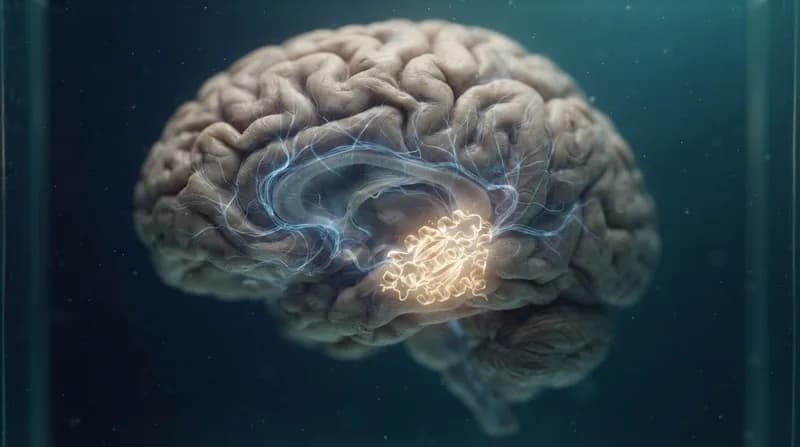
In a breakthrough study published in Nature Communications, researchers at the Icahn School of Medicine at Mount Sinai have identified a 'youth-associated' protein, TIMP2, that plays a vital role in maintaining the functionality of the brain's immune system. As the human brain ages, its resident immune cells—known as microglia—gradually lose their efficiency. These cells are essential for clearing cellular debris, maintaining neuronal networks, and protecting the brain from injury. When they begin to falter, it sets the stage for the inflammation and cellular stress characteristic of neurodegenerative disorders like Alzheimer's disease.
The study, led by Dr. Joseph M. Castellano, highlights how TIMP2 serves as a protective anchor for these microglial cells. By analyzing mice that were genetically modified to lack this protein, the researchers observed that the absence of TIMP2 triggered a rapid descent into states associated with cellular senescence and cognitive decline. Essentially, without this protein, the brain's maintenance crew stops performing its core duties, leading to an environment rife with inflammatory markers and accumulated waste.
Reversing the Clock in Microglia
The most compelling aspect of the research is the potential for recovery. When scientists administered TIMP2 directly to older mice via bloodstream injections, they observed a significant restoration of microglial function. The treated cells became notably more effective at clearing away debris and exhibited a marked decrease in molecular markers linked to inflammation. This suggests that the decline in microglial performance isn't necessarily a permanent state, but rather a process that may be influenced by systemic factors associated with youth.
This discovery bridges the gap between extracellular matrix regulation and immune response. Previously, TIMP2 was identified as a key factor in synaptic plasticity—the ability of neurons to form and strengthen connections. By linking this protein's influence on the extracellular environment to the behavior of immune cells, the team has uncovered a multi-faceted role for TIMP2 in preserving the brain's overall architecture. It acts as a gatekeeper that ensures microglia remain focused on maintenance rather than succumbing to the damaging, maladaptive responses often seen in an aging brain.
Why It Matters
- Targeted Therapy: This research moves beyond general anti-aging concepts, focusing on a specific protein that regulates immune cell state, providing a concrete target for future drug development.
- Addressing Alzheimer's: By identifying a way to potentially limit neuro-inflammation, the findings offer a novel perspective on how to intervene in the progression of age-related cognitive disorders.
- Systemic Connection: The ability of a circulating protein to influence brain-specific immune responses suggests that the body's 'youth factors' might be leveraged to protect the central nervous system.
Future Implications and Research Outlook
While the results in murine models are highly promising, the research team emphasizes that translation to human clinical applications is still in the early stages. The primary challenge remains determining whether human brains react to TIMP2 similarly and if a therapeutic dose can be safely delivered to cross the blood-brain barrier effectively. Further investigation will focus on whether targeting this specific biological pathway can mitigate or even prevent the onset of severe neurological conditions.
Despite the long road ahead for clinical trials, the study provides a significant leap in understanding the biological machinery of aging. By revealing how specific proteins maintain the brain's innate defense system, scientists are creating a roadmap for future interventions that could keep our cognitive functions sharper for longer, turning the tide against the traditional decline once considered an inevitable consequence of getting older.