The Microbiome Under the Microscope
For years, low-calorie sweeteners have been marketed as the metabolically neutral solution for the modern diet. Found in everything from diet sodas to sugar-free desserts, these additives were long assumed to pass through the digestive system without leaving a significant biological footprint. However, a groundbreaking study from the University of Cambridge, recently published in Molecular Systems Biology, is challenging this long-held assumption, suggesting that our gut bacteria may be interacting with these sweeteners in ways we are only beginning to understand.
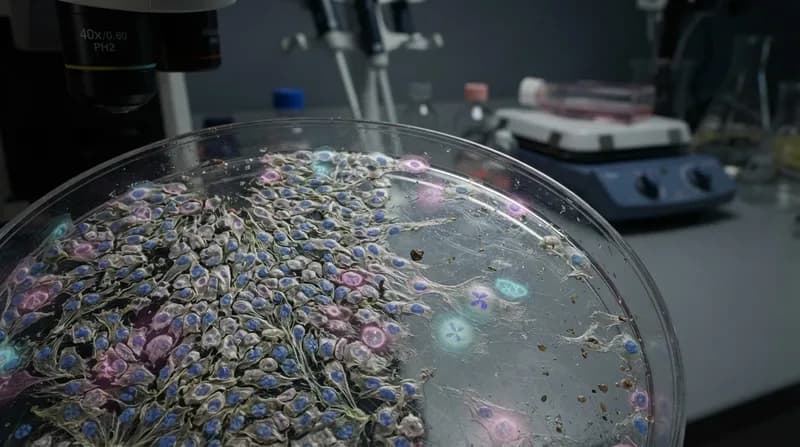
Researchers at the Medical Research Council (MRC) Toxicology Unit conducted a comprehensive laboratory analysis involving 39 different sweeteners and 25 distinct species of gut bacteria. The goal was to move beyond the limitations of animal studies and population-based surveys by observing direct, individual interactions between these additives and the microscopic residents of the human digestive tract. The results were startling: roughly 75% of the tested sweeteners demonstrated an ability to alter the growth of at least one bacterial species, with some substances stopping microbial growth entirely.
The Multiplier Effect of Combinations
One of the most significant takeaways from the study is that isolated ingredient testing may not reflect the reality of human consumption. We rarely ingest sweeteners in a vacuum; they are typically consumed alongside complex meals, other food additives, and frequently, prescription medications. By testing these sweeteners in tandem with common substances like caffeine, vanillin, and various pharmaceuticals, the research team discovered over 100 instances where the presence of a second substance fundamentally changed how the sweetener affected gut bacteria.
In 34 of these cases, the combination intensified the inhibitory effect on bacterial growth, while in 68 cases, the effect was weakened. This suggests that the biological impact of a sweetener is highly context-dependent. A substance that appears benign when tested alone might behave in an entirely different manner when paired with a common food additive or a daily pill, highlighting a blind spot in how we evaluate the safety and metabolic neutrality of these ubiquitous ingredients.
The Duloxetine and Isosteviol Connection
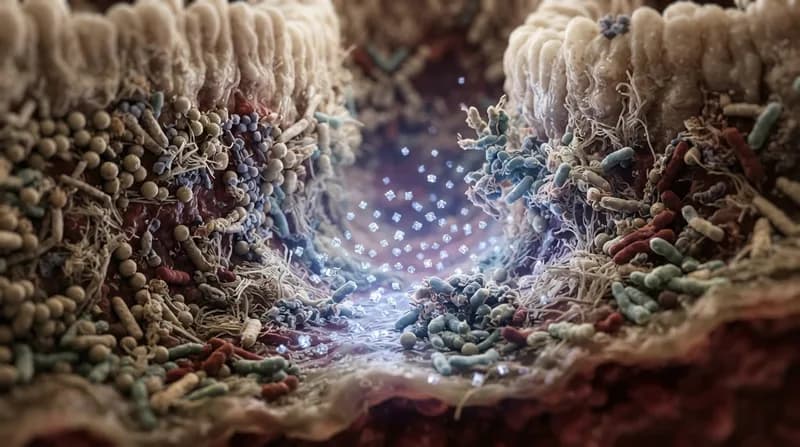
The most alarming finding involved the pairing of the sweetener isosteviol with the antidepressant duloxetine. In laboratory models, this specific combination strongly suppressed two critical gut bacteria: Roseburia intestinalis and Parabacteroides merdae. Both of these species are vital for maintaining general gut health and regulating blood sugar levels. When these specific bacteria are inhibited, the stability of the entire microbial community is threatened.
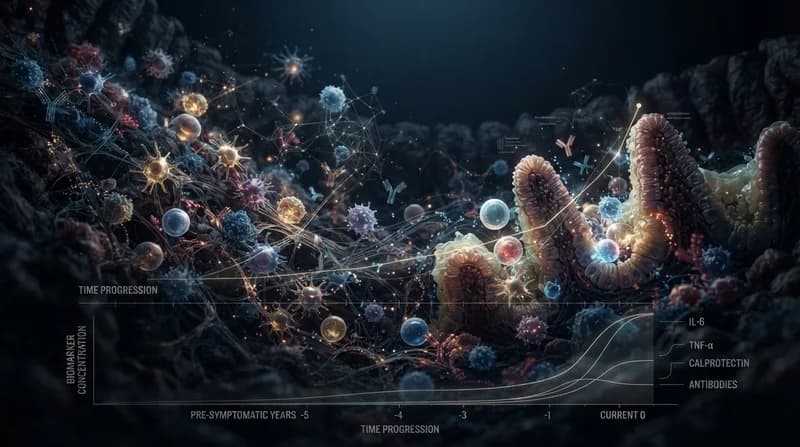
Beyond just measuring growth, the team utilized a simulated gut community to see how these imbalances ripple through a broader ecosystem. The results indicated that the combination of isosteviol and duloxetine reduced microbial diversity—a key marker of digestive health—and produced markers associated with increased inflammation and immune response. While the researchers are clear that these are laboratory-based observations and not clinical proof of harm in human patients, the findings signal a need for more rigorous investigation into how chemical compounds in our diet interact with the medicines we rely on daily.
Why It Matters
- Beyond Metabolism: The study shifts the narrative from sweeteners being "metabolically neutral" to them being potentially "microbially active."
- The Cocktail Effect: It highlights the hidden risks of how food additives and pharmaceuticals might interact within the gut.
- Microbial Diversity: Sustained interference with diverse gut bacteria is linked to long-term health issues, including obesity, diabetes, and immune dysfunction.
- Future Research: These findings provide the essential baseline data needed to design human-centric trials to verify if these interactions translate into real-world physiological risks.