ScienceTechnical Deep Dive

Mapping the Mind: New Breakthroughs in Precision Depression Treatment

Published
EElectricBuzz Editorial Team
Mapping the Mind: New Breakthroughs in Precision Depression Treatment
3 min read502 wordsElectricBuzz Editorial Team

The Gist

“Researchers at Mount Sinai have identified three specific white matter pathways that hold the key to lasting relief in treatment-resistant depression via deep brain stimulation.”

Revolutionizing Deep Brain Stimulation

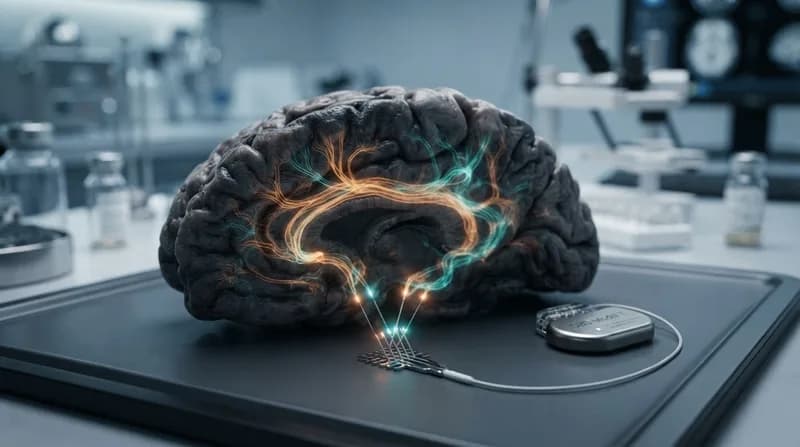
For patients suffering from severe, treatment-resistant depression, finding a therapeutic path forward often feels like searching for a signal in a storm. Deep Brain Stimulation (DBS)—a procedure involving the surgical implantation of electrodes to modulate brain circuits—has long been a promising but inconsistent tool. Now, a landmark study from Mount Sinai published in the American Journal of Psychiatry offers a potential paradigm shift in how we approach this intervention. By mapping the brain’s complex connectivity, researchers have moved beyond simple anatomical targeting toward a more refined, connectome-based strategy.

The study analyzed the largest multi-site cohort of patients treated with subcallosal cingulate (SCC) DBS to date. The research demonstrates that successful, long-term remission from depression is not merely about where an electrode is placed, but which specific white matter pathways that electrode successfully engages. This discovery marks a move away from targeting landmarks and toward the precision of targeting the brain’s communication highways.

The Critical Pathways for Success

Through computer modeling and connectivity maps, the team isolated three primary bundles of white matter that serve as the keys to sustained clinical improvement:

  • The Cingulum Bundle: Acting as a primary connection for emotional processing and executive function.
  • Forceps Minor: A pathway crucial for connecting prefrontal regions, implicated heavily in cognitive regulation.
  • Medial Uncinate Fasciculus/Ventral Amygdalofugal Pathways: A sophisticated network associated with limbic system integration and emotional response regulation.

The researchers discovered that patients who failed to see sustained improvement over a two-year period consistently lacked stimulation of these specific conduits, most notably the left cingulum bundle. This finding explains the long-standing mystery of why two patients with seemingly identical electrode placements can experience drastically different clinical outcomes: the distance of mere millimeters can mean the difference between hitting a therapeutic circuit or missing it entirely.

Why It Matters

This research underscores a fundamental shift in neurology: the brain is a network, and psychiatric disorders are increasingly viewed as network malfunctions. By identifying these specific circuits, clinicians are moving toward a future of "precision psychiatry." Instead of utilizing a one-size-fits-all approach to surgical implantation, doctors are beginning to use individualized brain maps to guide electrode placement, significantly increasing the probability that the stimulation hits the intended target.

The Future of Individualized Neuromodulation

While these findings represent a massive leap forward, the researchers remain cautious about the road ahead. The goal is now to move toward fully patient-specific planning. Future investigations will prioritize the use of high-resolution diffusion MRI scans to create structural blueprints for every individual candidate, ensuring that treatment parameters—including stimulation frequency, amplitude, and pulse width—are optimized for the patient’s unique brain architecture.

The integration of these findings is already active in clinical settings, such as the Abbott TRANSCEND trial, which incorporates individualized connectivity mapping into its protocol. As the field advances, the combination of advanced imaging, standardized connectomic mapping, and adaptive stimulation settings promises to turn deep brain stimulation from an experimental hope into a reliable, high-precision standard of care for those who have exhausted all other treatment options.

SPONSORED
The 5 Best Over-Ear ANC Headphones of 2026, Tested & Ranked
Editor's Pick Guide
92/100
Tech & Gadgets•12 min read

The 5 Best Over-Ear ANC Headphones of 2026, Tested & Ranked

We locked five over-ear ANC picks for 2026 — Sony WH-1000XM6, Bose QuietComfort Ultra 2, Soundcore Space One, Sennheiser Momentum 5, and Apple AirPods Max 2 — then stress-tested them on lab metrics, long-term owner truth, and live street prices.

Related Stories

Semantically matched articles, ranked by topic overlap and freshness.

Hidden Interactions: How Common Sweeteners May Alter Your Gut Microbiome
Science

Hidden Interactions: How Common Sweeteners May Alter Your Gut Microbiome

New research from the University of Cambridge reveals that sweeteners can disrupt gut bacteria, with some combinations—especially those involving common medications—producing significant microbial shifts.

Could a Soy-Derived Compound Be the Future of Salt-Defense Nutrition?
Science

Could a Soy-Derived Compound Be the Future of Salt-Defense Nutrition?

Japanese researchers have identified a soy-derived compound, LPC70, that mitigates the damaging effects of high-salt diets on both blood pressure and cognitive health in mice.

Biological Breakthrough: Why Male and Female Skin Repair Differently
Science

Biological Breakthrough: Why Male and Female Skin Repair Differently

New research reveals that sex hormones dictate how skin stem cells synchronize, potentially unlocking new pathways for faster wound healing and cancer treatment.

Surgical Sustainability: How Greener Anesthesia Practices are Cutting Hospital Emissions
Science

Surgical Sustainability: How Greener Anesthesia Practices are Cutting Hospital Emissions

A landmark study reveals that hospitals can significantly slash their carbon footprint and operating costs by optimizing anesthesia protocols without sacrificing patient safety.

Deciphering the Decade-Long Prelude to Inflammatory Bowel Disease
Science

Deciphering the Decade-Long Prelude to Inflammatory Bowel Disease

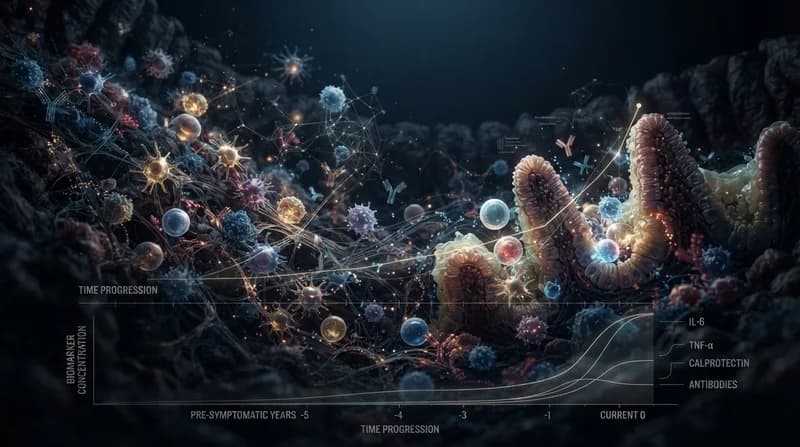
A groundbreaking study reveals that distinct immune system signatures can predict the onset of Crohn's disease and ulcerative colitis up to a decade before clinical diagnosis.

New Clinical Trial Validates Exercise as a Drug-Free Tool for Spinal Cord Injury Pain
Science

New Clinical Trial Validates Exercise as a Drug-Free Tool for Spinal Cord Injury Pain

A landmark study from the University of British Columbia reveals that personalized exercise programs can significantly mitigate chronic pain for individuals with spinal cord injuries.

Psychedelic Breakthrough: Magic Mushroom Compound Mutes Aggression in Fish
Science

Psychedelic Breakthrough: Magic Mushroom Compound Mutes Aggression in Fish

A groundbreaking study reveals that psilocybin can selectively dampen aggressive behaviors in fish, offering new biological insights into how the compound affects social regulation.

Evolving Omicron: Researchers Uncover Divergent Infection Strategies in SARS-CoV-2 Variants
Science

Evolving Omicron: Researchers Uncover Divergent Infection Strategies in SARS-CoV-2 Variants

New research from HKUMed reveals that emerging SARS-CoV-2 variants are adopting distinct biological pathways, with some targeting the lungs while others demonstrate a surprising efficiency in colonizing the human gut.