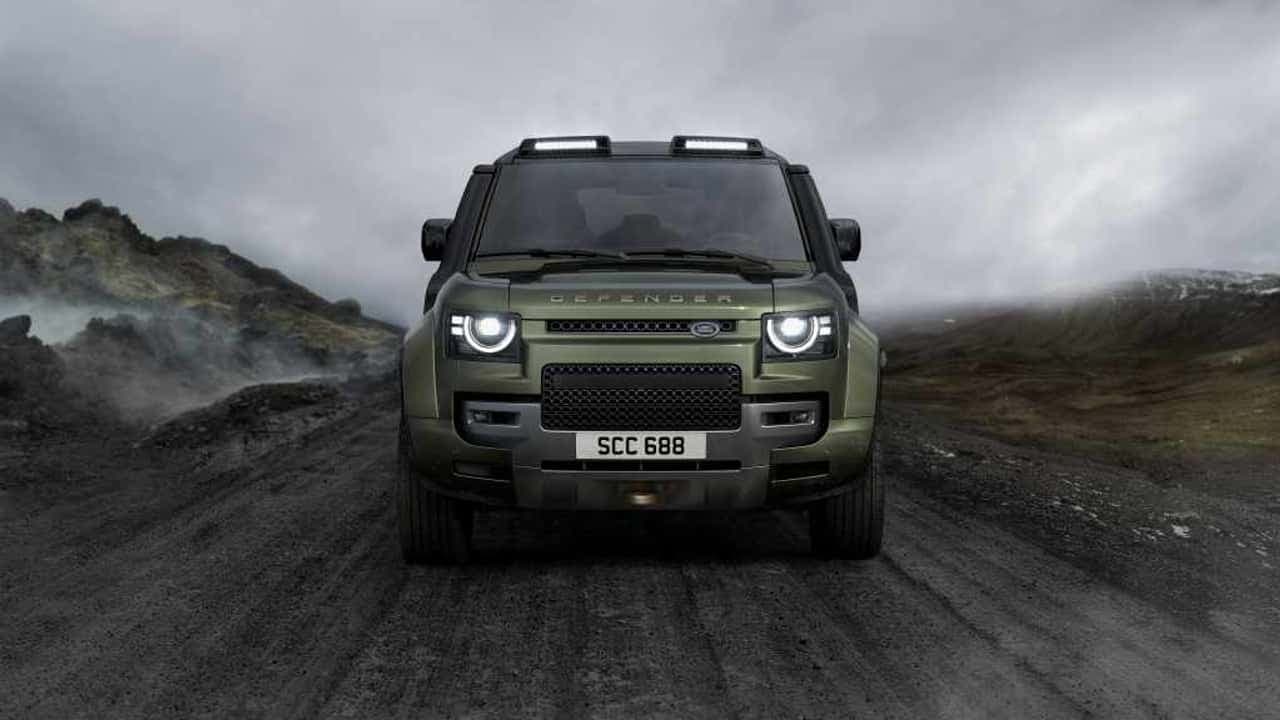
Jaguar Land Rover (JLR) has announced a significant delay in the launch of its all-electric Land Rover Defender, which is now expected to hit the market in the early 2030s. This postponement comes in light of declining electric vehicle (EV) demand in the U.S. market and increasing competition from Chinese automakers.
Key Points
- The next-generation Defender will utilize the Electrified Modular Architecture (EMA), a platform tailored for electric vehicles, which aims to enhance efficiency and streamline software updates.
- In the first quarter of fiscal year 2027, JLR experienced a 9.2% decrease in vehicle sales, emphasizing the critical role that models like the Defender, Range Rover, and Range Rover Sport play in the company’s lineup.
- The U.S. variant of the Defender is set to be co-developed with Stellantis and will likely leverage either the STLA Large EV platform or a body-on-frame architecture resembling that of the Jeep Wrangler.
- Ongoing tariffs on European cars, which include a 10% duty from the U.K. and 15% from the EU, are steering JLR’s design and manufacturing strategies to maintain competitiveness.
- The timelines for the launch of other electric models, such as the Range Rover Electric and Range Rover Sport Electric, have also been affected by market conditions and are facing delays.
The situation underscores a turbulent period for JLR, as it shifts its focus toward more competitive strategies in a rapidly evolving EV landscape. The future release of the Defender and other electric models will likely be a pivotal moment as JLR adapts to current market demands and competitive pressures.