The Shift Toward Export-Led Growth
The landscape of the Chinese automotive industry is undergoing a structural transformation. Recent data from the China Association of Automobile Manufacturers (CAAM) for August 2026 highlights a significant divide between domestic consumption and international performance. While China’s manufacturing output remains robust—reaching 1.65 million New Energy Vehicles (NEVs) in August alone—the destination of these vehicles is increasingly shifting beyond domestic borders.
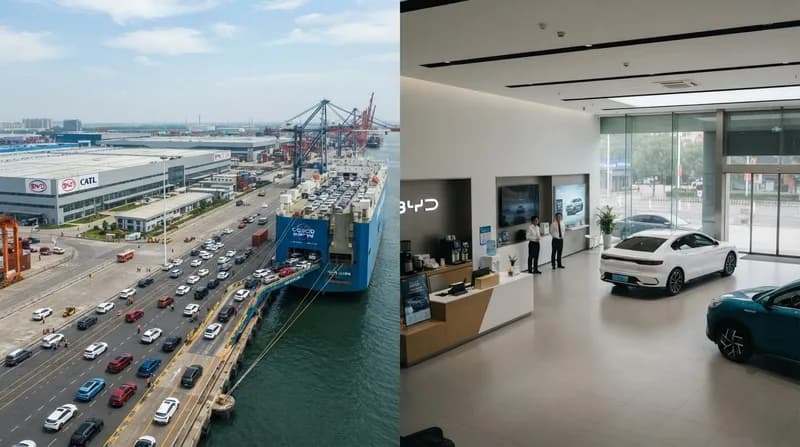
Total sales of NEVs, including battery electric vehicles (BEVs) and plug-in hybrids (PHEVs), reached 1.64 million units in August, representing an 18 percent year-on-year increase. However, this headline number masks a cooling domestic passenger car market, which saw a decline of 8.2 percent compared to the previous year. As local demand for traditional passenger EVs plateaus, Chinese automakers are aggressively leveraging global markets to sustain growth, with export figures reaching 526,000 units in August—a staggering 130 percent jump compared to the same period in 2025.
The Stagnation of Plug-in Hybrids
While the overall EV segment continues to expand, the internal composition of this growth has changed dramatically. Pure battery electric vehicles have reached a new annual high, proving to be the primary engine of the industry's progress. In August, BEV sales surged to over 1.16 million units, a 27.8 percent increase year-on-year. This dominance is reflected in consumer preferences, where nine out of the top ten best-selling passenger cars in China are now fully electric.
Conversely, the plug-in hybrid (PHEV) market appears to have hit a ceiling. With 482,000 units sold in August, the segment experienced a 0.9 percent decline year-on-year. After a brief period of modest recovery, the data suggests that Chinese consumers are increasingly bypassing hybrid technology in favor of pure electric drivetrains. This stagnation signals a potential long-term pivot by manufacturers away from hybrid powertrains as they prioritize the efficiency and simplicity of pure BEV platforms.
Commercial Expansion and Strategic Outlook
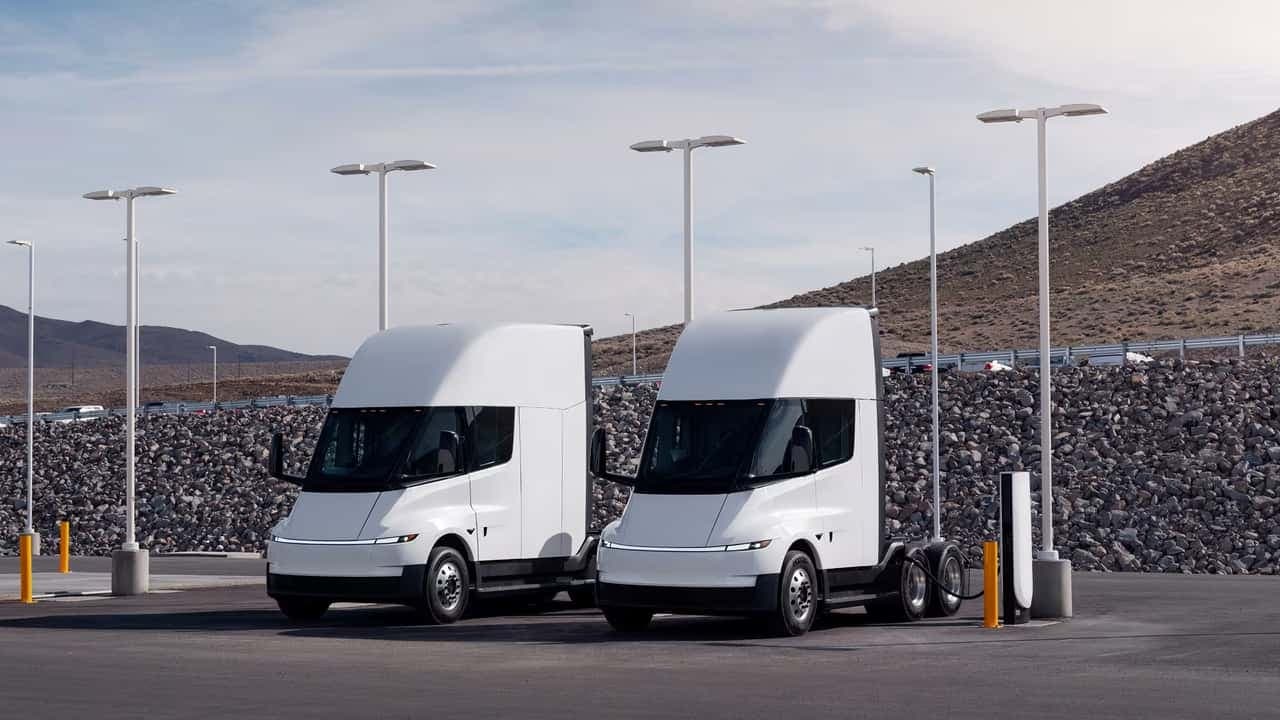
Despite the cooling domestic passenger sector, the commercial vehicle market is providing a crucial buffer. The sector saw a massive 56.6 percent increase in NEV sales during August, totaling 103,000 units. This surge in electric buses and logistics trucks highlights the government’s successful efforts to electrify public infrastructure and heavy-duty transport, compensating for the softer consumer-facing market.
Why It Matters
- Global Reach: With over half a million NEVs exported in August, China is cementing its position as a global manufacturing hub, consistently sending more than 50% of its plug-in production overseas.
- Policy Targets: The Chinese government has set ambitious goals for 2030, aiming for NEVs to comprise 70% of new passenger car sales and 30% of the total national vehicle fleet.
- Market Divergence: Domestic passenger sales are under pressure, forcing manufacturers to rely on high-volume export strategies and public sector commercial vehicle procurement to maintain production levels.
Looking ahead, the industry is entering a more mature phase. With total NEV sales for the first eight months of the year hitting 10.65 million units, the sector is on track to meet long-term state-sponsored targets. However, the reliance on international demand makes these manufacturers highly sensitive to trade regulations and global market dynamics, setting the stage for a period of intensified competition and geopolitical scrutiny.