Accelerating the Road to Electrification
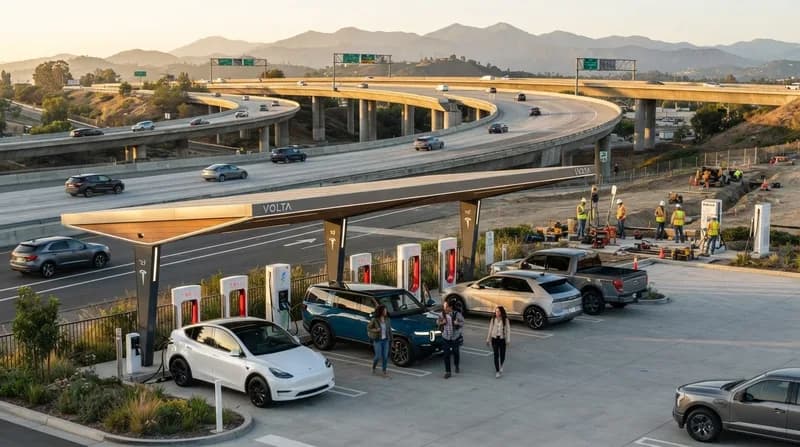
The state of California has officially kicked off a fresh wave of investment in its charging infrastructure, unveiling a $28 million funding round through its Fast Charge California Project. Aimed at businesses, non-profits, and public agencies, the program seeks to eliminate the 'range anxiety' hurdle by significantly increasing the density of publicly accessible DC fast-charging ports. This initiative is a critical component of the broader California Electric Vehicle Infrastructure Project (CALeVIP), which has been the backbone of the state’s charger deployment efforts since 2017.
The scale of the investment is substantial: the program offers up to $100,000 per charging port for projects deemed 'ready to build.' To qualify for this premium tier of funding, applicants must demonstrate that they have already secured all necessary construction permits and finalized their utility service designs. By prioritizing shovel-ready projects, the California Energy Commission (CEC) aims to bypass bureaucratic bottlenecks and ensure that high-powered charging hardware hits the ground as quickly as possible.
Why It Matters
- Strategic Financial Incentives: The program covers up to 100% of eligible installation costs, removing the primary financial barrier for small businesses and organizations looking to participate in the EV transition.
- Equitable Deployment: A core pillar of this rollout is the commitment to prioritize disadvantaged, low-income, and tribal communities, ensuring that the benefits of clean transportation reach every corner of the state.
- Tiered Application Windows: The urgency is built into the timeline. An initial application window closes on January 14, 2027, with funding allocated on a first-come, first-served basis. A second phase, running from February to May 2027, will remain available, though the incentive per port drops to $55,000, encouraging early submission.
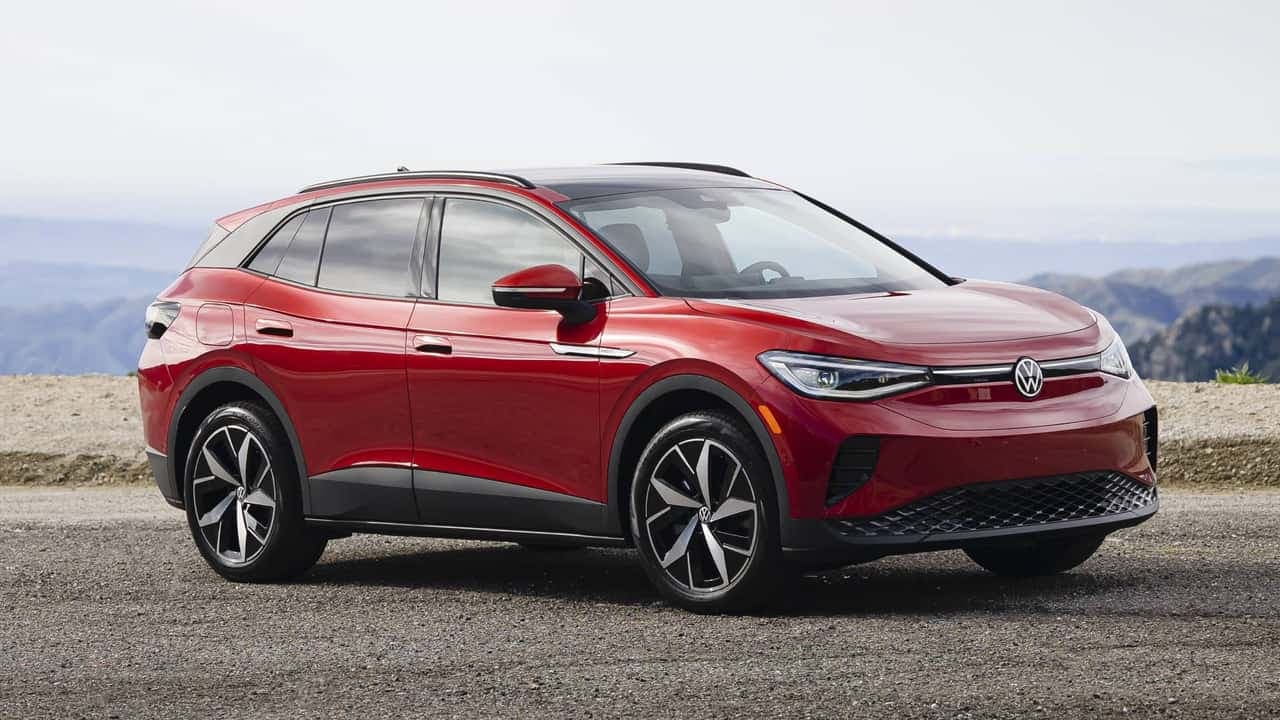
The urgency for this expansion is underscored by the sheer volume of electric vehicles currently on California’s roads—now exceeding 2.2 million light-duty units. With the state aiming for a full transition to zero-emission passenger vehicles, the demand for high-speed charging has never been greater. Spencer Reeder, director of the CEC’s Fuels and Transportation Division, emphasized that these funds are not merely a subsidy for hardware, but a deliberate move to place reliable, high-speed energy access directly into the communities that have historically been underserved by private sector charging rollouts.
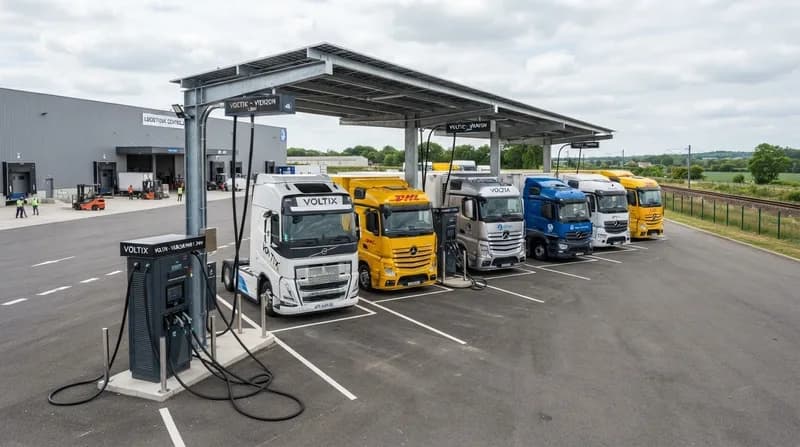
As California continues to funnel hundreds of millions of dollars into various infrastructure streams—including recent allocations for medium- and heavy-duty vehicles—this $28 million program serves as a targeted strike to bolster the daily utility of passenger EVs. By fostering a collaborative ecosystem between government agencies and site owners, California is proving that successful decarbonization requires not just vehicle innovation, but a robust, ubiquitous, and reliable power grid for the road.