The Rise of the Nissan Frontier Pro
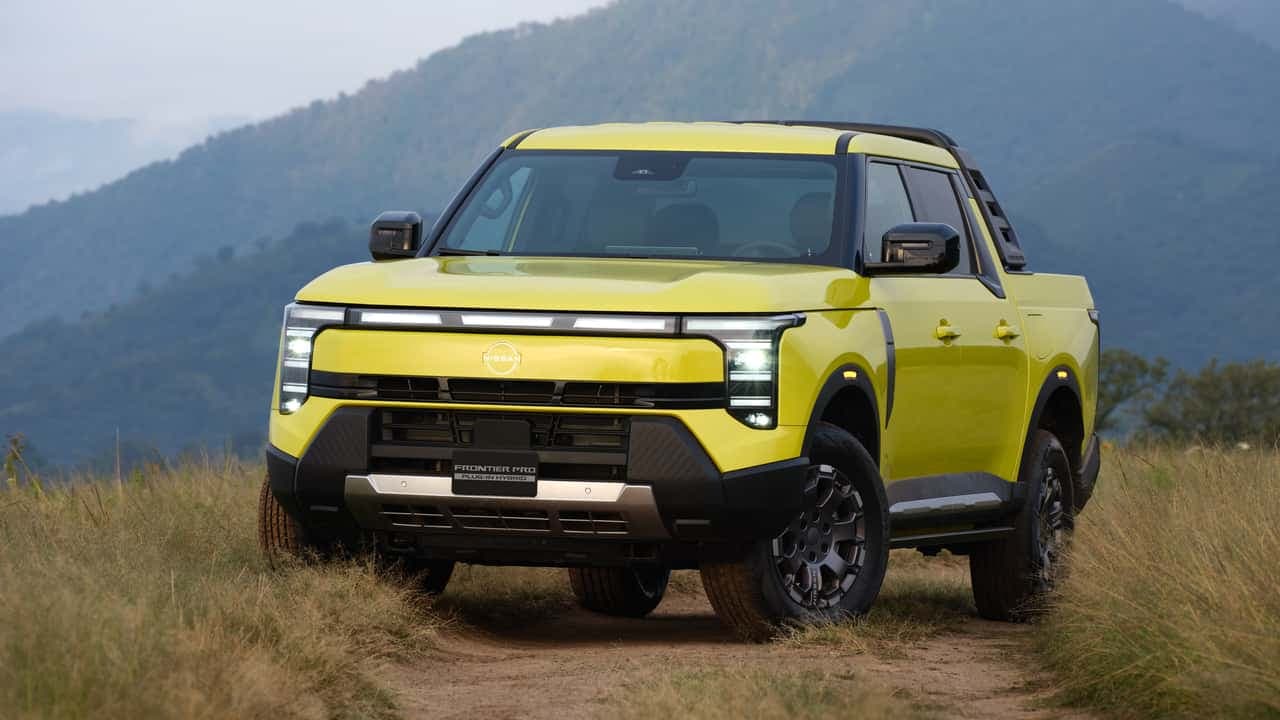
Nissan has officially announced the global rollout of its latest midsize pickup truck, the Frontier Pro—known as the Navara Pro in several international markets. While the badge carries the weight of a Japanese automotive giant, the vehicle itself is a product of deep collaboration within China. Developed by Zhengzhou Nissan, a joint venture between the automaker and China’s Dongfeng, the truck represents a significant departure from traditional regional manufacturing silos. Instead of being restricted to its home market, the Frontier Pro is being exported to fulfill the growing demand for electrified utility vehicles in Mexico, Australia, and the Philippines, among other regions.
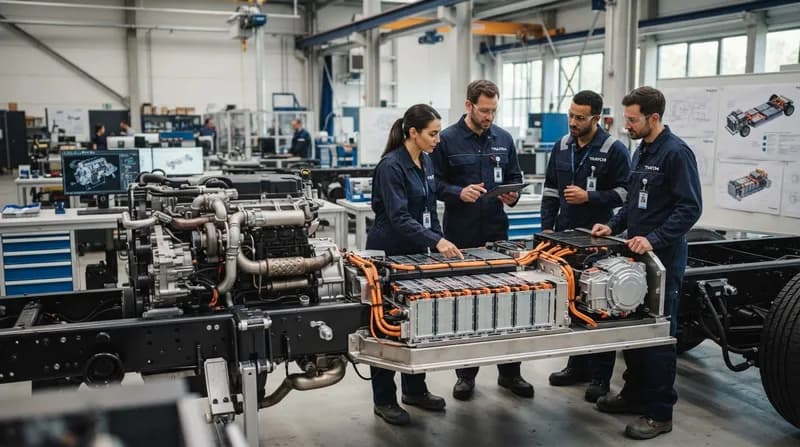
The powertrain architecture is built for performance, utilizing a 1.5-liter turbocharged engine paired with an electric motor integrated directly into the transmission. This configuration delivers a combined output of 402 horsepower, providing the kind of robust torque essential for a midsize truck. The system draws energy from a substantial 33-kilowatt-hour battery pack, allowing for versatile performance that balances internal combustion power with the efficiency and instant torque characteristic of electric motors. While exact specifications for non-Chinese markets are pending release, the base performance profile positions it as a formidable competitor in the burgeoning plug-in hybrid truck segment.
The Strategic Pivot to China as an Export Hub
The movement of the Frontier Pro across borders is indicative of a broader industry trend where legacy automakers are utilizing their Chinese manufacturing footprints to serve global customers. For years, the narrative surrounding China’s automotive output focused almost exclusively on domestic brands like BYD or Geely. However, current market data shows that companies like Chevrolet, Toyota, and Mazda are increasingly rebadging or sourcing their vehicles directly from Chinese production lines. For Nissan, this strategy is not merely about cost reduction; it is about accessing the rapid innovation cycle and specialized supply chains established in the region.
This shift has practical implications for how products are developed. Although pickup trucks face regulatory hurdles in daily Chinese urban driving, the country’s manufacturers have demonstrated a unique ability to pivot quickly to meet the specific consumer preferences of international buyers. By using the Frontier Pro to enter the Mexican and Australian markets, Nissan is leveraging China’s engineering agility to fill a void in its global lineup. This strategy allows the company to deploy sophisticated electrified hardware much faster than if the vehicles were developed solely within the traditional Japanese or domestic R&D structures.
Why it Matters
- Strategic Outsourcing: Demonstrates that major automakers now view China as a primary R&D and manufacturing base for the global market, not just for local consumption.
- Electrified Utility: The arrival of the Frontier Pro underscores the industry’s commitment to transitioning utility segments toward plug-in hybrid architectures, which offer a bridge for consumers wary of pure-electric range limitations.
- Market-Specific Adaptation: The project highlights how manufacturers are building vehicles explicitly to address the infrastructure and lifestyle requirements of diverse regions like Australia and Latin America.
The Outlook for North American Markets
Despite the excitement surrounding this new platform, a North American release remains highly improbable. The primary hurdles are twofold: aggressive import tariffs on Chinese-manufactured vehicles and stringent regulations regarding connected car technology originating from specific regions. Furthermore, the specialized nature of the North American truck market often demands unique design and safety considerations that differ from those of the global Navara/Frontier platform.
However, the existence of the Frontier Pro provides a blueprint for Nissan’s future. The company has publicly declared an intent to make hybrids the dominant force in its North American lineup by 2030. As the brand continues to refine its hybrid technology through initiatives like the new Rogue Hybrid, the lessons learned from the development of the Frontier Pro in China will likely filter into the engineering standards for the company's next generation of trucks destined for U.S. and Canadian driveways. The electrification of the pickup truck segment is clearly underway; while this specific model may not be the vehicle to carry that banner in the U.S., the underlying technology and strategic design approach are already driving the transformation of the brand’s global fleet.