Scaling Residential Energy Resilience
Briggs & Stratton is signaling a major shift in its home energy strategy with the launch of a new 16 kWh lithium iron phosphate (LFP) battery system. Designed to integrate seamlessly with existing home electrical setups, this modular unit offers significantly higher energy density than its predecessors, aiming to address the growing demand for reliable, long-duration backup power during grid failures or peak usage periods.
The move to LFP chemistry is a strategic choice, prioritizing safety and longevity over traditional lithium-ion alternatives. LFP batteries are inherently more thermally stable and offer a substantially longer cycle life, ensuring that the system remains viable for homeowners over many years of charge and discharge cycles. By focusing on a 16 kWh capacity, the company is positioning itself to cover the essential needs of an average household, including lighting, refrigeration, and critical communications equipment, for extended durations.
Why it Matters
- Longevity: The use of LFP chemistry ensures a higher degree of safety and thousands of charge cycles.
- Energy Density: A 16 kWh footprint allows for a compact installation that delivers more power than previous smaller-capacity models.
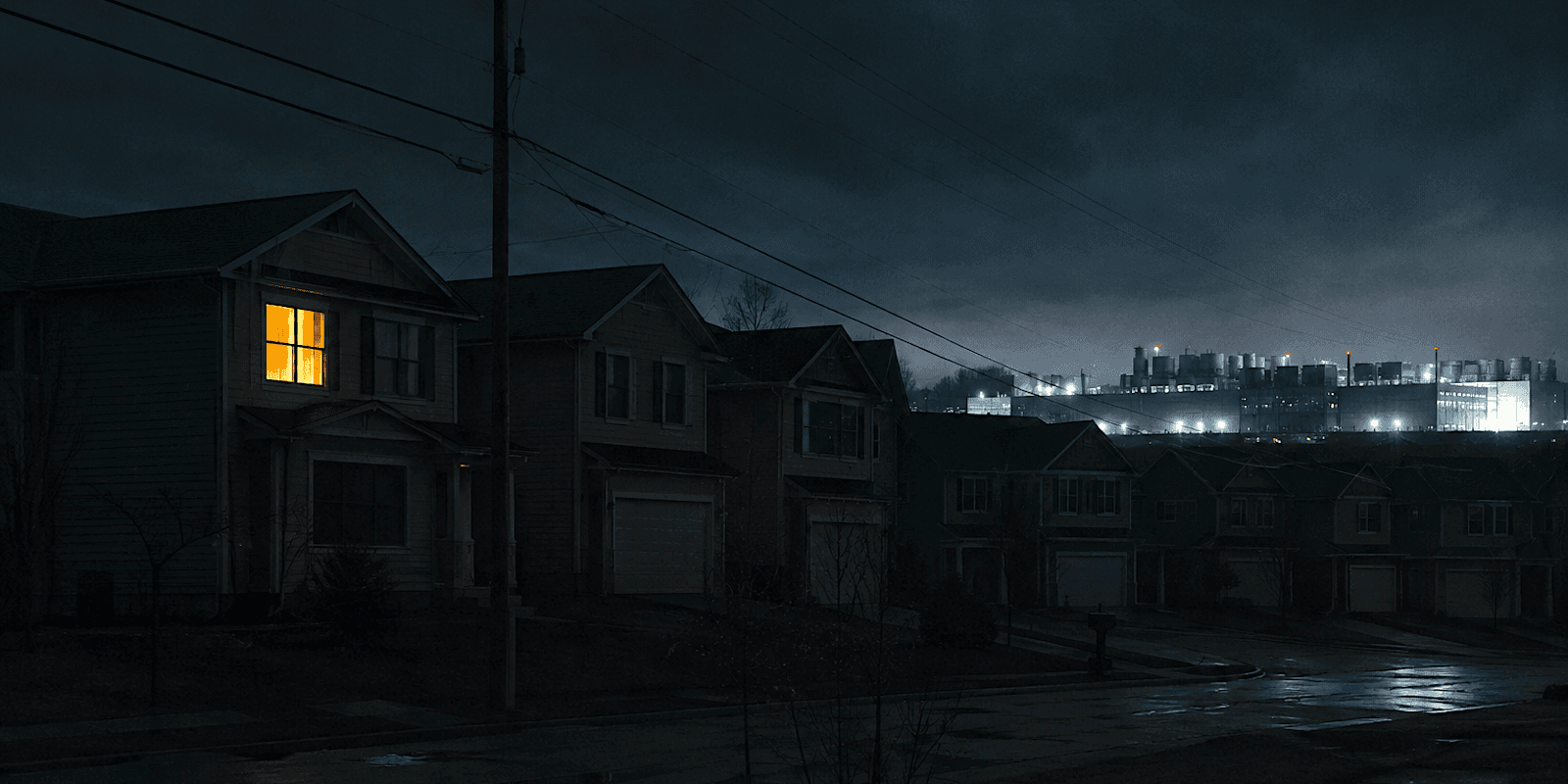
- Grid Independence: This capacity enables homeowners to bridge the gap during longer outages, reducing reliance on fossil-fuel-powered generators.
The system also features smart integration capabilities, allowing users to monitor energy usage, battery levels, and discharge rates through a mobile-optimized interface. By combining a robust 16 kWh architecture with the chemical reliability of LFP, Briggs & Stratton is attempting to capture a larger share of the residential energy storage market, moving beyond portable engines to become a permanent fixture in the modern, electrified household. This launch marks a significant step forward in making renewable-ready storage solutions more accessible to the average consumer looking for home autonomy.