The Scope of the Volkswagen ID.4 Recall
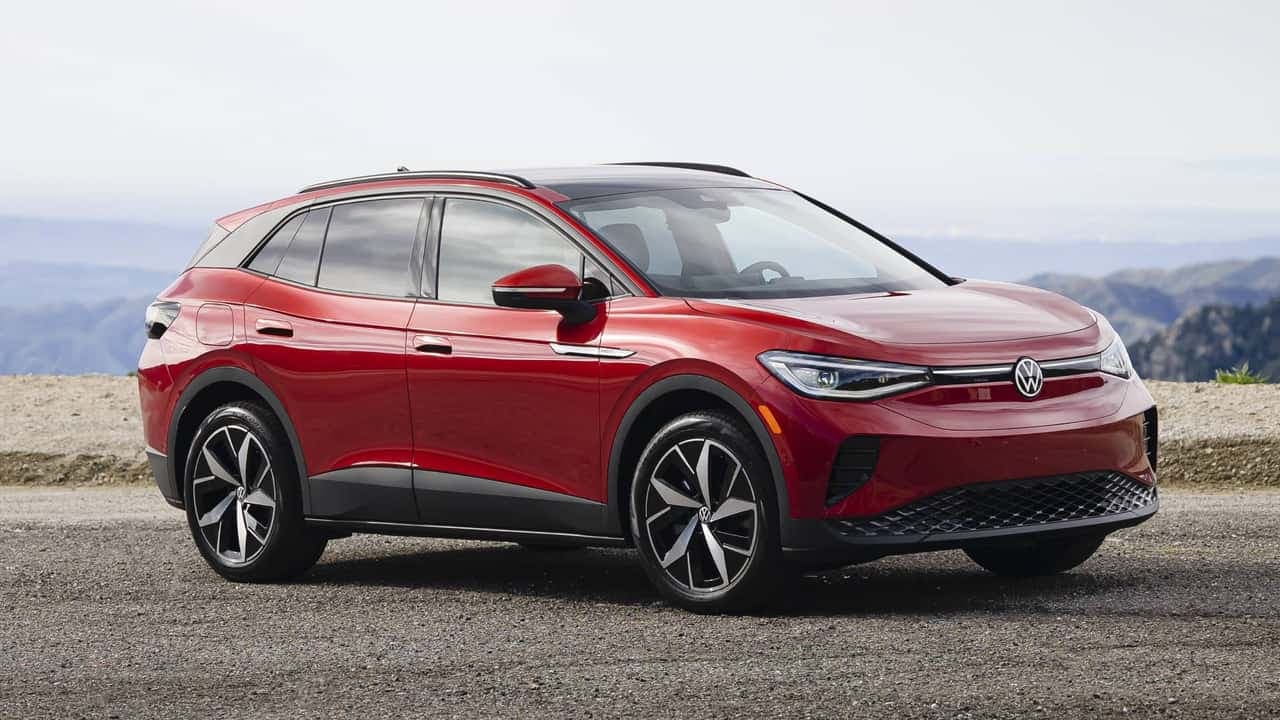
Volkswagen has officially initiated a safety recall covering 22,524 units of its popular ID.4 electric SUV. The recall, filed with the National Highway Traffic Safety Administration (NHTSA), impacts models spanning the 2023 through 2026 production years. While the company estimates that only 0.1% of the total recalled population actually carries the specific defect, the nature of the issue—potential thermal propagation within the battery pack—has prompted a swift and cautionary response from the manufacturer.
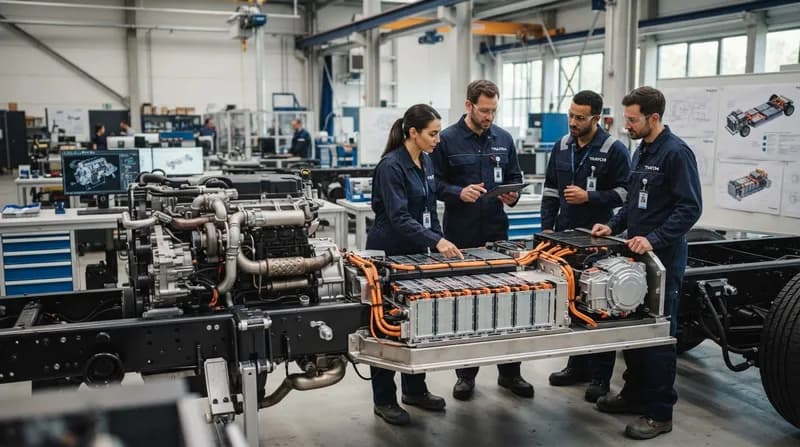
The issue appears to stem from the high-voltage battery modules supplied by SK On. According to the recall documentation, the automaker has identified that specific charging profiles, when combined with a state of charge exceeding 80%, can potentially trigger thermal runaway. This conclusion was reached following a rigorous investigation into 22 reported incidents occurring between January 2024 and August 2026. While the exact root cause remains under active investigation, the decision to prioritize safety has led to the immediate implementation of temporary mitigation strategies for all impacted owners.
Interim Safety Measures and Digital Solutions
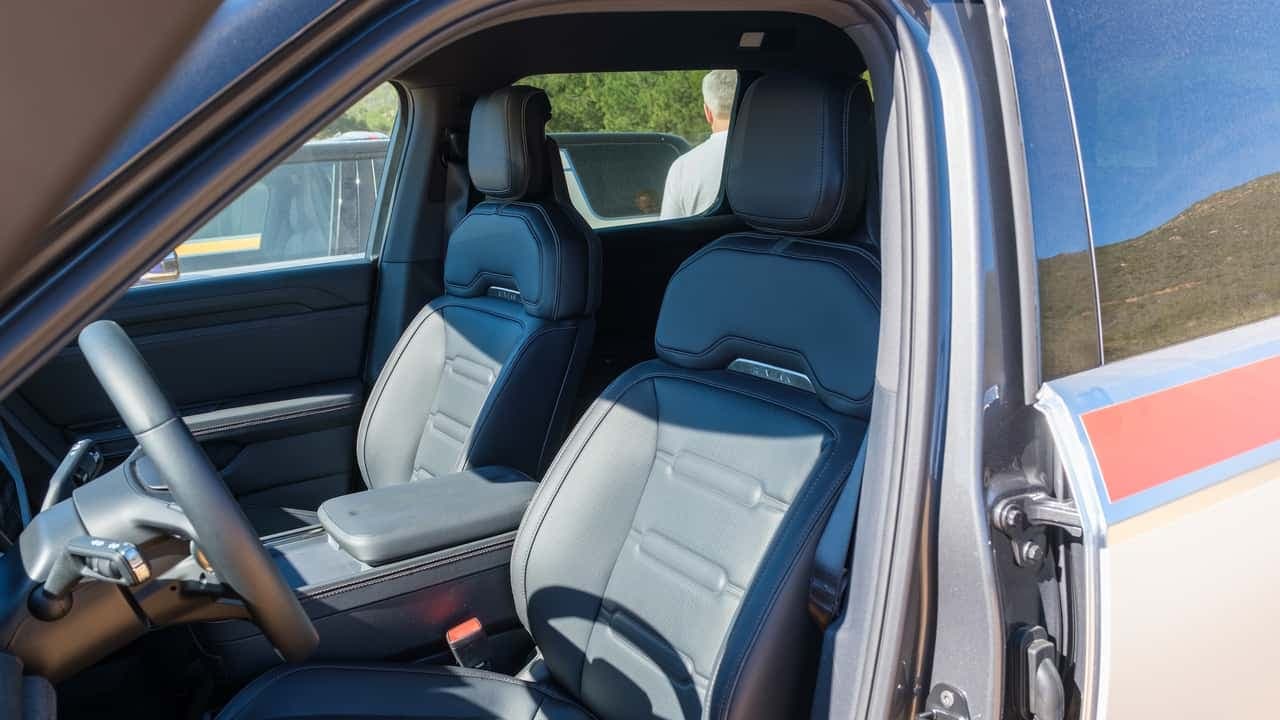
Until a permanent engineering or software solution is verified, Volkswagen is issuing clear instructions for ID.4 owners: cease charging the vehicle beyond an 80% state of charge. To reinforce this mandate, the company is deploying physical warning labels—essentially stickers placed in strategic locations such as the dashboard and the interior of the vehicle’s charging port flap. These serve as a constant reminder to prevent users from pushing their battery packs to full capacity, which VW has identified as a potential catalyst for dangerous thermal incidents.
Beyond physical notices, Volkswagen is exploring more sophisticated digital interventions. The automaker noted that, depending on a specific vehicle’s configuration and active connectivity, it may be possible to push an over-the-air (OTA) software update that automatically caps the maximum charging limit at 80%. This would effectively automate the safety protocol, removing the burden of manual monitoring from the driver. By leveraging the ID.4's onboard connectivity, Volkswagen aims to neutralize the risk while engineers continue to work toward a comprehensive, long-term resolution.
Why It Matters
- Battery Safety Standards: This incident underscores the ongoing challenges in thermal management as automakers scale up high-voltage battery production.
- The Role of OTA: The potential for a software-based charging cap highlights how connected car infrastructure is becoming a critical tool for rapid safety remediation.
- User Responsibility: While software fixes are on the horizon, the recall serves as a reminder of the importance of adhering to manufacturer-issued charging guidelines when safety alerts are active.
As the investigation continues, Volkswagen remains in contact with regulators and owners to ensure the recall process is transparent and efficient. Owners of affected vehicles are encouraged to keep an eye on official correspondence from the automaker regarding the upcoming software patch and further instructions on how to handle the charging limitation.