A Strategic Diversification Strategy
In a volatile landscape for the automotive sector, LG Energy Solution (LGES) has managed to turn market headwinds into a landmark financial victory. The South Korean battery manufacturer reported a stellar third quarter, highlighted by a 59% year-over-year revenue growth, reaching $7.21 billion. Perhaps more impressively, the company’s operating profit climbed 25% to $565 million. This financial success story is largely the result of a deliberate, two-pronged strategy: aggressive expansion in the European electric vehicle market combined with a bold, timely pivot toward stationary energy storage systems (ESS) in the United States.
While North American EV adoption rates have faced cooling demand, leading to production slowdowns, LGES successfully leveraged the growing necessity for power-dense storage. As data centers and regional utility grids scramble to modernize, the demand for high-capacity battery units has provided a stable financial floor, offsetting the softer-than-expected returns from the consumer automotive sector. This shift demonstrates that the future of battery manufacturing is not just about powering cars, but about anchoring the infrastructure of the modern digital economy.
The European EV Push and North American Credits
The company’s European operations remain a robust engine for growth, particularly through its facility in Poland. Strong uptake from major automotive players, including Volkswagen and Renault, has kept production lines humming, ensuring a steady stream of revenue that complements the company’s domestic U.S. efforts. This geographical diversity allows LGES to hedge against localized market fluctuations, maintaining healthy margins despite regulatory and consumer shifts in different territories.
Furthermore, the bottom line has been bolstered by favorable policy support. Despite broader political uncertainty surrounding climate initiatives, the U.S. Section 45X Advanced Manufacturing Production tax credits have remained a cornerstone of the company’s fiscal strategy. These credits, which are secured through 2032, provide the necessary financial runway for LGES to continue investing in domestic capacity. By securing supply chains through new initiatives—such as a recent multi-year lithium concentrate agreement with Canada’s Elevra Lithium—the company is positioning itself as a vertically integrated powerhouse capable of weathering long-term market volatility.
Why It Matters: The Energy Storage Boom
- AI Data Center Demand: The explosive growth of AI-driven data centers requires massive, reliable power backups, turning stationary ESS into a Tier-1 product.
- Policy Stability: The preservation of Section 45X tax credits signals that domestic battery manufacturing remains a national priority, regardless of shifting political tides.
- Vertical Integration: Long-term raw material agreements, such as the 240,000-metric-tonne lithium deal with Elevra, are essential for decoupling production from supply chain shocks.
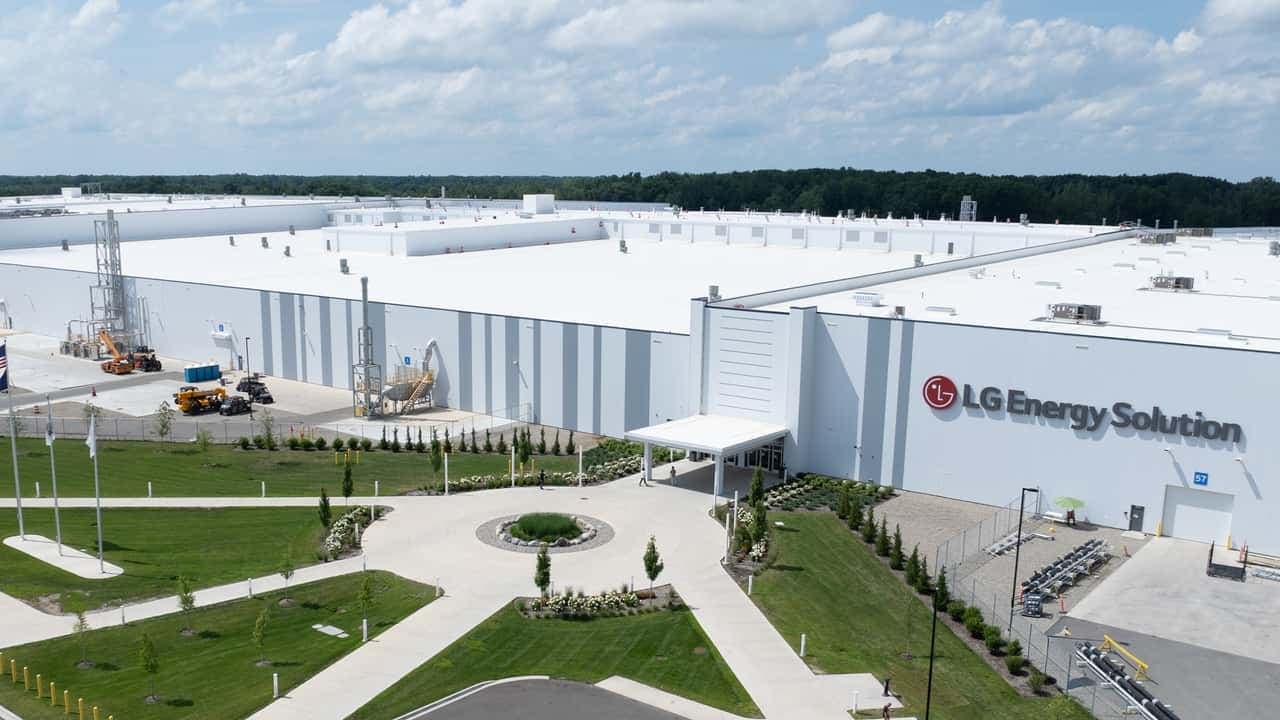
- Operational Versatility: The recent $2 billion gigafactory in Lansing, Michigan, serves as a testament to this versatility, producing both iron-phosphate batteries for stationary storage and high-performance nickel-manganese-cobalt cells for top-tier automakers.
As LGES looks toward the future, the integration of diverse chemistries, such as lithium-iron-phosphate (LFP) for grid use and more energy-dense formulations for passenger cars, suggests a resilient roadmap. By successfully bridging the gap between legacy automotive supply and the new energy requirements of the cloud, LGES is proving that the transition to an electrified world is as much about stationary storage as it is about vehicles.