The Ventilation Controversy
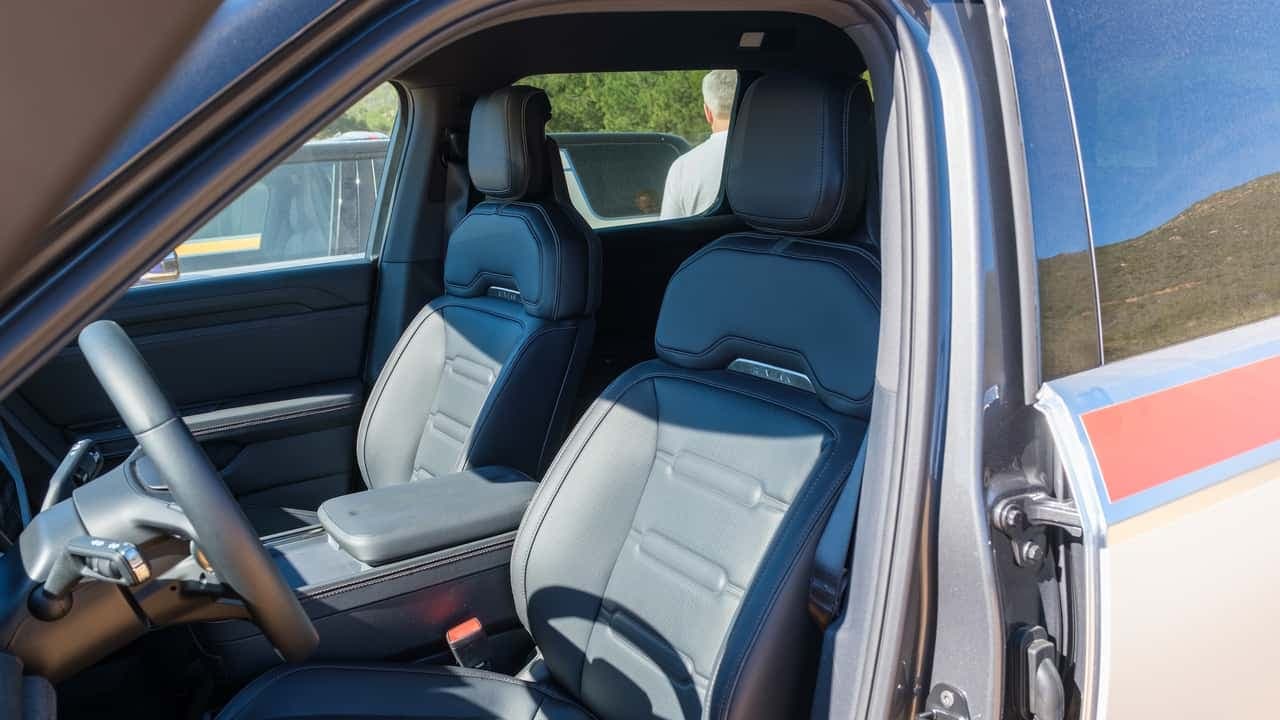
Rivian is currently navigating a wave of public frustration surrounding its upcoming R2 platform. The point of contention centers on a design modification to the vehicle's seat ventilation system, which has been quietly adjusted ahead of the production rollout. While the feature remains present, it has undergone a significant functional change: air circulation is now restricted solely to the seat cushion, completely omitting the seat back.
For many enthusiasts who prioritized a high-performance cooling experience in the R2, this update is perceived as a functional downgrade. Social media platforms, including Reddit and various enthusiast forums, have seen an influx of posts from prospective owners expressing disappointment. Some have gone as far as threatening to cancel their reservations, citing that the loss of back-cooling is a dealbreaker for those residing in high-temperature climates where such features are essential for comfort.
Why the Change Was Made
Addressing the growing chorus of criticism, a Rivian spokesperson provided clarity regarding the engineering rationale. The company explained that the previous iteration of the system, which included air channels for the seat back, resulted in excessive cabin noise that did not meet their refinement standards. By focusing the airflow exclusively on the seat cushion—the area where occupants experience the highest levels of thermal retention—Rivian claims to have streamlined the system to prioritize a quieter, more pleasant cabin environment.
However, this explanation has not fully satisfied the community. The core issue for many buyers is not just the loss of the feature, but the perceived lack of transparency. The "quiet" nature of this update has prompted broader concerns among the customer base regarding the company’s communication practices. Users are increasingly worried that other features could be subject to similar "stealth nerfs" without clear notification, creating a sense of distrust among those who previously championed the brand for its open, outdoorsy, and consumer-friendly image.
Broader Implications for the R2
This situation highlights the precarious balance EV manufacturers must strike when refining hardware during the pre-production phase. While manufacturers often iterate on designs to solve NVH (noise, vibration, and harshness) issues, the decision to remove a premium feature—or significantly alter its utility—after initial public demonstrations carries significant reputational risk. Potential buyers often view test-drive units and early specifications as a binding promise of what they will receive upon delivery.
As of now, the company has not confirmed whether the original hardware was removed entirely or if a software update could potentially offer users more control over the system. The incident serves as a case study in how modern, highly engaged EV communities react to hardware transparency. For Rivian, the challenge now lies in rebuilding trust and managing the expectations of a customer base that has high standards for both performance and communication regarding the vehicles they intend to purchase.