A Record-Breaking Shift Toward Electrification
In a global automotive market currently defined by volatility and shifting consumer preferences, Mercedes-Benz has revealed a striking trend within its most recent sales data. While the company reported an 8% year-over-year decline in total passenger vehicle deliveries—citing primarily difficult market conditions within China—its electrification efforts have reached a major milestone. For the third quarter of this year, one out of every four vehicles sold by the iconic German manufacturer featured a charging port, signaling a rapid transformation in the company’s customer base.
This quarter, fully battery-electric vehicles (BEVs) accounted for 16.8% of all passenger car sales, a massive 61% increase compared to the same period last year. When combined with the brand's plug-in hybrid offerings, the total proportion of electrified sales reached the 25% threshold. This shift suggests that even as the total volume of vehicles sold faces pressure from global economic headwinds, the appetite for Mercedes-branded electric mobility is accelerating at a pace that far outstrips the brand’s traditional internal combustion segments.
The European Growth Engine
The primary catalyst for this surge is the European market, where the transition toward electric propulsion is gaining significant momentum. In the EU, nearly one in three Mercedes-Benz vehicles sold in the latest quarter were fully electric. This regional success story is underpinned by an explosive 78% year-on-year rise in electric vehicle deliveries. Certain models have become so popular that demand is currently outpacing supply; the company has confirmed that its electric variants of the CLA, GLA, GLB, and GLC models are effectively sold out in Europe through the end of 2026.
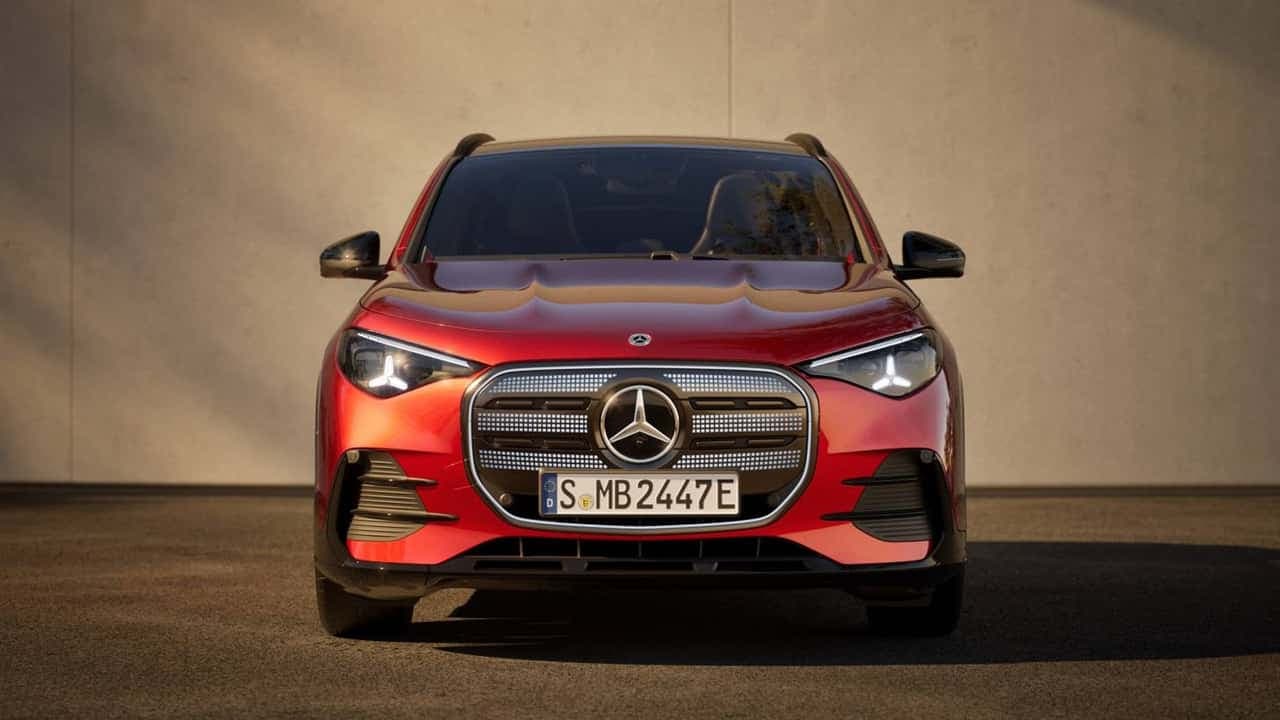
The electric version of the GLC, in particular, has emerged as a key growth driver, proving that the luxury segment is moving away from gas-powered SUVs in favor of high-performance electric alternatives. Even the commercial van division is seeing a meaningful shift, with 11% of all vans sold worldwide featuring electric powertrains, a figure that climbs to 15% within the European theater.
Why It Matters
- Strategic Resilience: While overall sales dropped by 8% due to regional market weakness, the surge in EV adoption demonstrates that Mercedes' product strategy is successfully capturing a new segment of premium buyers.
- Market Divergence: The stark difference between European growth and Chinese market challenges highlights the geographical fragmentation of the current EV transition.
- Future-Proofing: With current electric variants sold out through 2026, the company is under immense pressure to ramp up manufacturing capacity to meet the sustained demand for its luxury zero-emission fleet.
The Road Ahead
Looking forward, Mercedes-Benz is not resting on its current successes. The manufacturer has announced a comprehensive product offensive aimed at maintaining this upward trajectory, with a pipeline of new, highly anticipated EVs including fresh iterations of the C-Class, GLC, and GLB. While observers note that adoption rates in North America may not mirror the meteoric rise seen in Europe, the company's clear focus on long-term electrification serves as a critical hedge against global market volatility and tightening emissions regulations. By prioritizing high-demand electric architectures, the automaker is positioning itself to remain a dominant force in the premium mobility sector throughout the remainder of the decade.