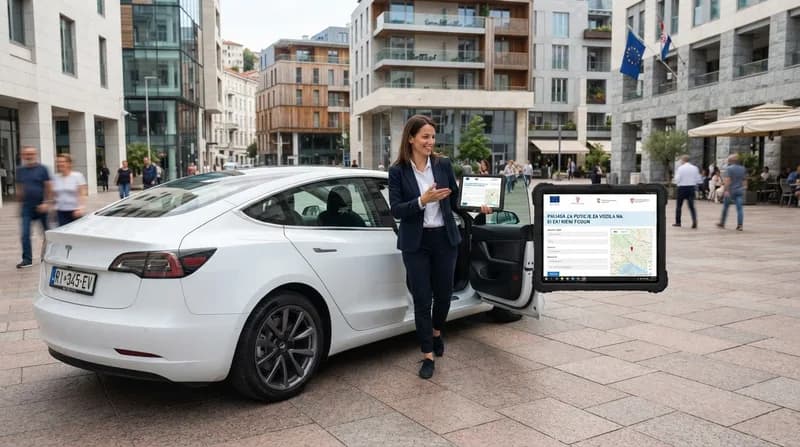
A New Chapter for Croatian E-Mobility
Croatia is set to accelerate its transition toward sustainable transportation with the launch of a significant new electric vehicle (EV) incentive program. Announced by the Croatian Environmental Protection and Energy Efficiency Fund (FZOEU), the initiative features a substantial €20 million budget aimed at funding approximately 3,000 new electric vehicle acquisitions. This strategic move is designed to lower the barrier to entry for consumers, aligning with broader national goals to integrate clean transportation with decentralized renewable energy efforts, particularly for households utilizing residential solar infrastructure.
Unlike previous iterations of state support, this program introduces a more nuanced, price-sensitive structure. The government has implemented specific tiers that tie the subsidy amount to the gross purchase price of the vehicle, ensuring that funding is directed toward accessible, entry-level, and mid-range electric models while effectively excluding luxury vehicles from the scheme.
Tiered Incentive Structure
The program is structured to provide tiered financial support, ensuring equity and target-focused distribution. For electric passenger cars, the potential grant varies based on the total cost including VAT:
- Up to €35,000: Eligible for a maximum subsidy of €9,000.
- Between €35,000 and €62,500: Eligible for a capped incentive of €7,000.
- Above €62,500: Vehicles in this segment do not qualify for government funding.
Beyond passenger cars, the government is also championing smaller mobility solutions. Light electric vehicles (categories L1 through L7), such as e-motorcycles, mopeds, and various three- or four-wheeled micro-mobility solutions, are eligible for up to €2,500 in incentives, provided the vehicle purchase price does not exceed €35,000. Additionally, across all eligible vehicle types, the state grant is limited to 40 percent of the gross purchase price, encouraging consumers to select vehicles that offer the best balance of affordability and efficiency.
Streamlining Through Digital Integration
Perhaps the most significant change in this iteration is the transition to a purely digital application framework. In a departure from previous years where dealerships managed the process, citizens must now apply directly through the government’s eFZOEU digital platform. To ensure security and eligibility, all applicants are required to utilize the NIAS electronic identification system.
The administrative process requires a binding quote from the retailer and proof of residency. Given that previous funding cycles have seen extreme demand leading to rapid exhaustion of resources, officials are urging prospective buyers to finalize their digital credentials early. Only one application per person is permitted, and while financed leases are accepted, operational leasing remains excluded from the scheme. This move toward digitalization represents a broader push for efficiency in government services and ensures a more transparent, first-come-first-served rollout for the 2026 incentive period.