The Era of In-Motion Charging
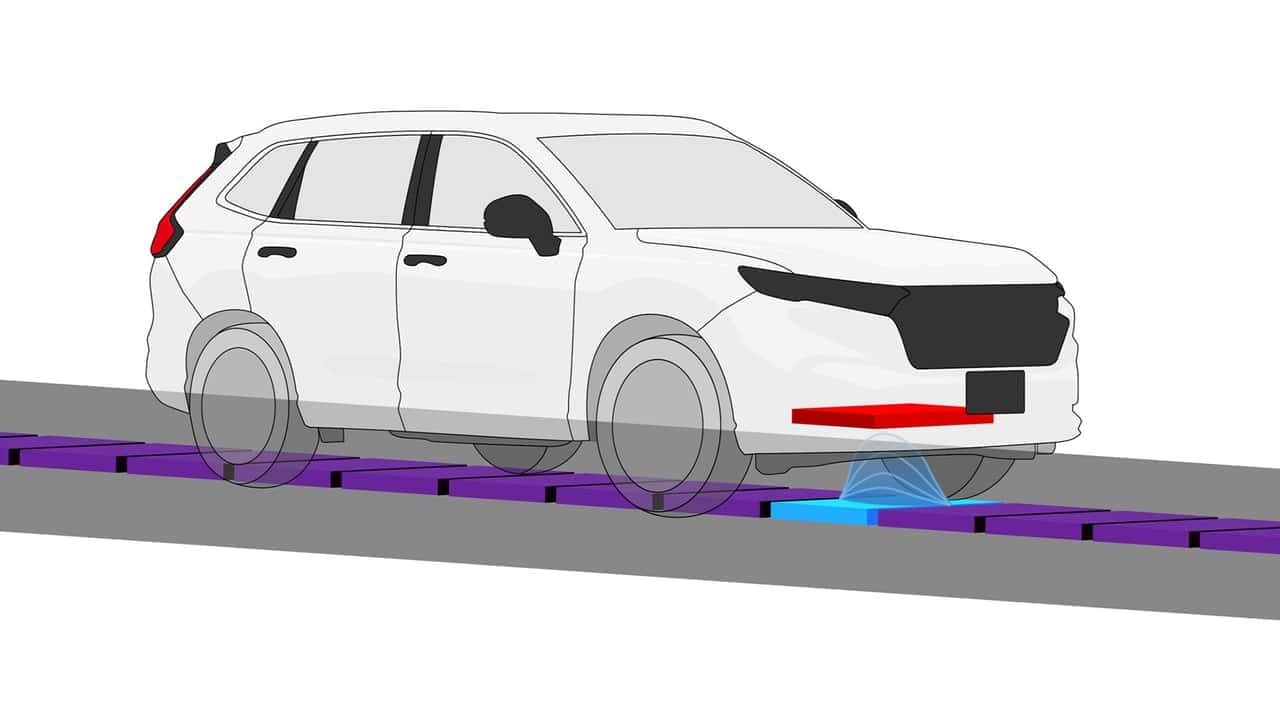
Honda has officially unveiled a bold initiative to tackle one of the most significant hurdles in electric vehicle adoption: charging infrastructure. By partnering with the construction firm Taisei, Honda is developing a specialized wireless power transfer system designed to charge electric vehicles while they are in motion on public highways. This demonstration project, scheduled to begin in 2027 near Tokyo, represents a departure from static charging plugs and pads, shifting the focus toward a dynamic, always-on energy ecosystem.
The technology is engineered to deliver up to 150 kilowatts of power to vehicles traveling at speeds of up to 75 miles per hour. By embedding the charging hardware directly into the road surface, the system creates a continuous energy flow, theoretically allowing EVs to maintain their battery levels during long-haul commutes. This "electric highway" concept aims to minimize downtime and provide a seamless alternative to the current stop-and-plug paradigm that characterizes the modern EV ownership experience.
Strategic Goals and Technical Implications
Beyond the convenience of not needing a charging cable, Honda's vision hinges on a fundamental shift in vehicle architecture. Taku Ueda, the chief engineer of R&D at Honda, has emphasized that successful implementation of this technology could lead to a reduction in the number of battery cells required for future electric vehicles. Because the vehicle can draw power from the road, it no longer needs to carry the massive, heavy battery packs currently required to ensure long-distance range, which directly impacts the efficiency and weight of the vehicle.
Reducing battery size addresses several industry challenges simultaneously: it lowers the total cost of production, decreases the weight-related wear and tear on infrastructure, and helps solve range anxiety for the general public. While the initial test will cover only a 300-meter stretch of highway, the data gathered will be critical in determining how to scale this tech to support both heavy-duty commercial logistics vehicles and standard passenger commuters alike.
Why It Matters
- Reduced Battery Dependence: Smaller batteries mean less reliance on rare earth materials and lower vehicle purchase costs.
- Continuous Operations: Perfect for logistics and commercial transport, enabling extended uptime for trucks that cannot afford to sit at charging stations.
- Infrastructure Innovation: Shifts the burden of energy management from the vehicle alone to the symbiotic relationship between the vehicle and the road.
- Combating Anxiety: Real-time, in-motion energy replenishment addresses the psychological barrier of EV ownership.
The Path Toward Commercialization
The demonstration project in Chiba prefecture is the first major step in validating this technology for real-world integration. By focusing on commercial vehicles during the pilot phase, Honda aims to prove the robustness of the system under high-demand scenarios. If the trial succeeds, it would validate the concept as a viable competitor to alternative solutions like battery swapping or ultra-fast, high-voltage stationary charging stations. While the timeline for widespread public implementation remains long-term, Honda’s move signals that the automotive industry is increasingly looking toward the road surface itself as the ultimate battery-extender.