A New Path for Tesla in Europe
The landscape for advanced driver-assistance systems in the European Union is shifting significantly as Germany’s Federal Ministry of Transport signals support for Tesla’s "Full Self-Driving" (FSD) technology. Following high-level discussions between German Transport Minister Steffen Bilger and Tesla representatives, the path toward broader, EU-wide authorization seems increasingly likely. This potential move would represent a major milestone for the automaker, which has historically faced a fragmented rollout across the continent, currently limiting the technology to a patchwork of eight specific countries including Belgium, Denmark, and the Netherlands.
However, the green light comes with strings attached. German regulators have made it clear that while they recognize the system's technical proficiency in urban navigation, the current branding is fundamentally misleading. To satisfy European safety concerns and regulatory standards, Tesla has reportedly signaled a willingness to drop the "Full Self-Driving" moniker, opting instead for a name that more accurately reflects the driver’s role: "Tesla Assisted Driving." This concession highlights the growing pressure on automotive companies to avoid language that might encourage drivers to overestimate the capabilities of automated systems.
Addressing Safety and Speed Constraints
Beyond the branding dispute, the negotiations addressed critical technical and safety parameters that have long differentiated the U.S. version of the software from its European counterpart. A primary point of contention for German regulators was the handling of speed limits. Unlike the North American version, which features aggressive acceleration modes and a high degree of speed-limit flexibility, the European regulatory framework requires a more conservative approach.
To find common ground, the agreement suggests a compromise on speed. Regulators are willing to permit a 10% offset above posted speed limits, acknowledging that small, controlled variances can assist with traffic flow and safety in certain real-world conditions. This agreement is a sharp departure from the "Mad Max" driving modes seen in the U.S., which have faced intense scrutiny. By aligning the system with these stricter European standards, Tesla aims to ensure the software remains a "Level 2" assistance system, where the human driver remains firmly responsible for the vehicle at all times.
Why it Matters: The Regulatory Context
- System Transparency: By forcing a name change to "Assisted Driving," regulators are pushing for an industry-wide shift toward clearer communication regarding AI-driven vehicle automation.
- Standardization: Germany’s backing could fast-track a harmonized approval process across the entire European Union, effectively ending the current country-by-country authorization model.
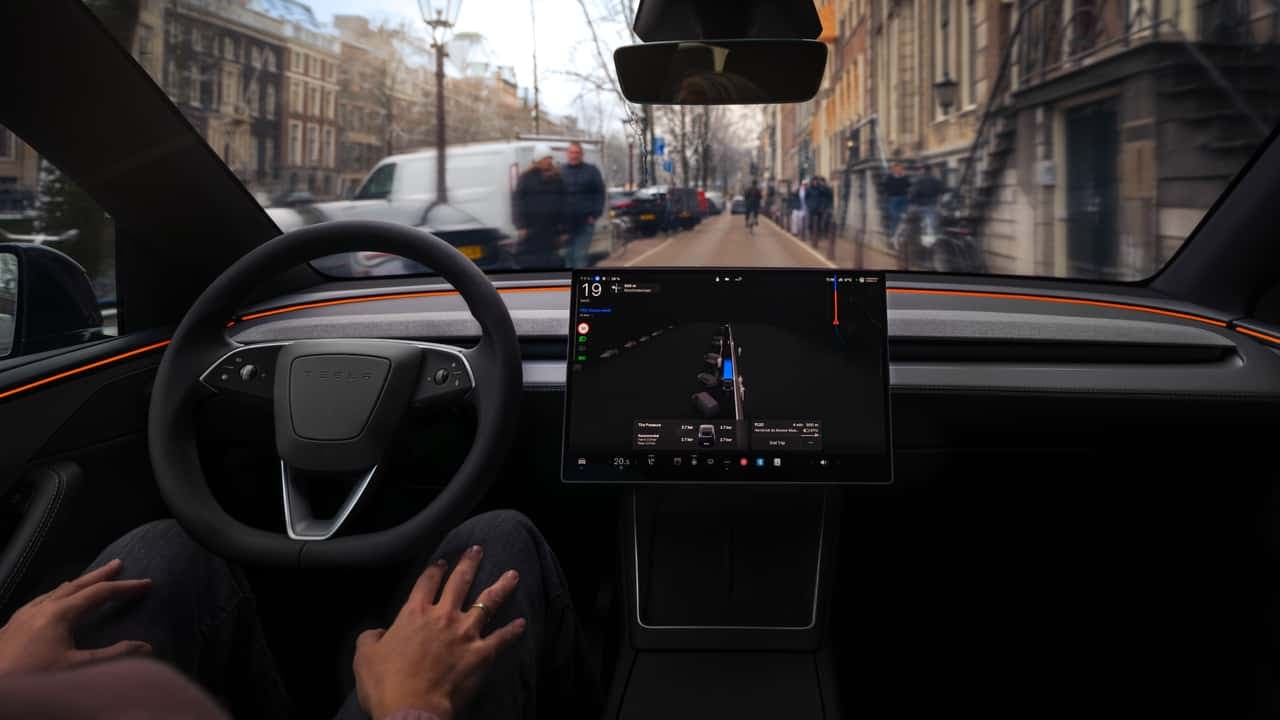
- Operational Competence: The ministry noted that the software currently handles complex urban tasks—such as navigating tight, pedestrian-heavy historic streets—with minimal human intervention, providing a strong argument for its eventual certification.
- Subscription Economics: With the subscription model now priced at €99 in European markets, a wider rollout could create a significant new revenue stream for the company, provided it meets the stringent safety thresholds set by the EU.
As the European Union moves toward a unified vote, the outcome of these negotiations will likely serve as a blueprint for how other international markets evaluate and regulate advanced autonomous driving hardware. Tesla’s ability to adapt its software and marketing to meet these specific regional demands is now as critical as the performance of the underlying neural networks themselves.