The Strategic Rollout of the Eclipse Sportback EV
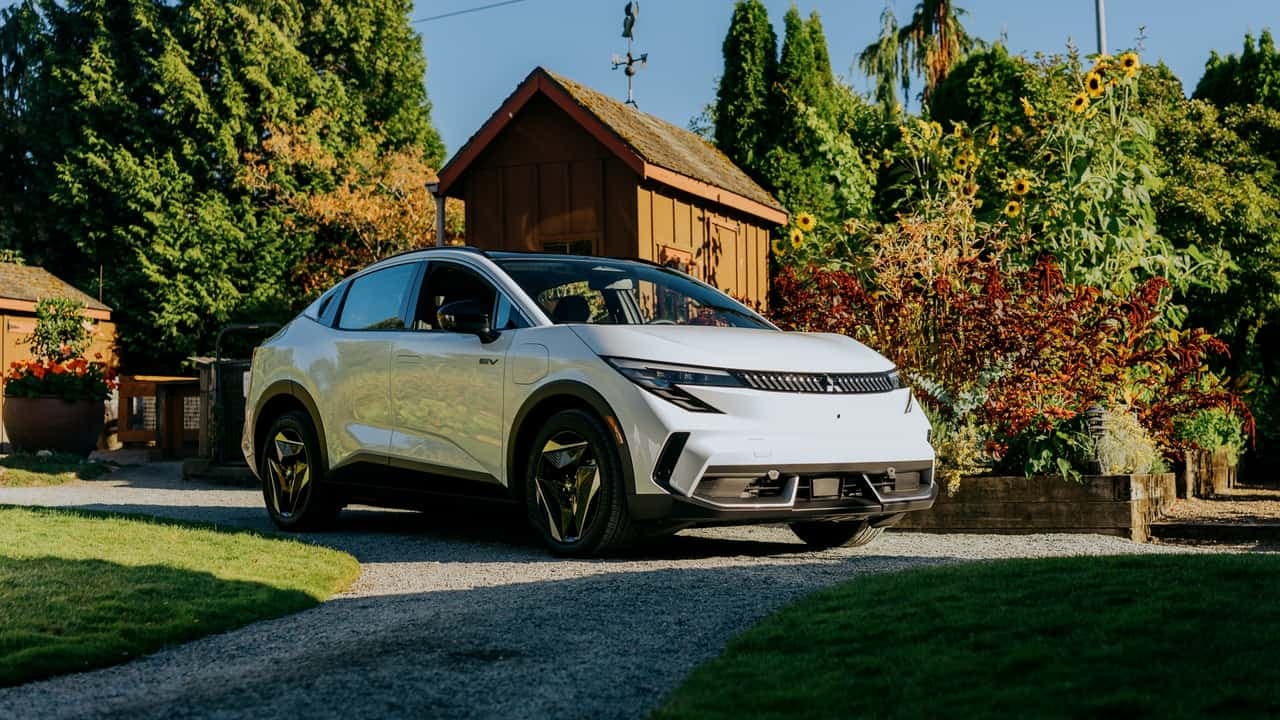
Mitsubishi is signaling a significant shift in its global trajectory with the announcement of the Eclipse Sportback EV, the first major pillar of its "Momentum 2030" business initiative. This strategic plan is designed to broaden the brand’s footprint in the electrified vehicle segment while refreshing its model lineup. By leaning on the shared architecture of the updated 2027 Nissan Leaf, Mitsubishi is positioning the Eclipse Sportback as a modern, tech-forward entrant into an increasingly crowded EV space.
While the vehicle shares its structural DNA with the Nissan platform, Mitsubishi is banking on a more premium, well-equipped standard package to differentiate its offering. With a starting price of $39,740, the brand is targeting a specific segment of the market that values a unified feature set, aiming to streamline the purchasing process by keeping trim levels minimal and focusing on comprehensive standard equipment. The move reflects a broader industry trend of platform sharing intended to reduce development costs while accelerating time-to-market for essential electrified hardware.
Technical Specifications and Performance
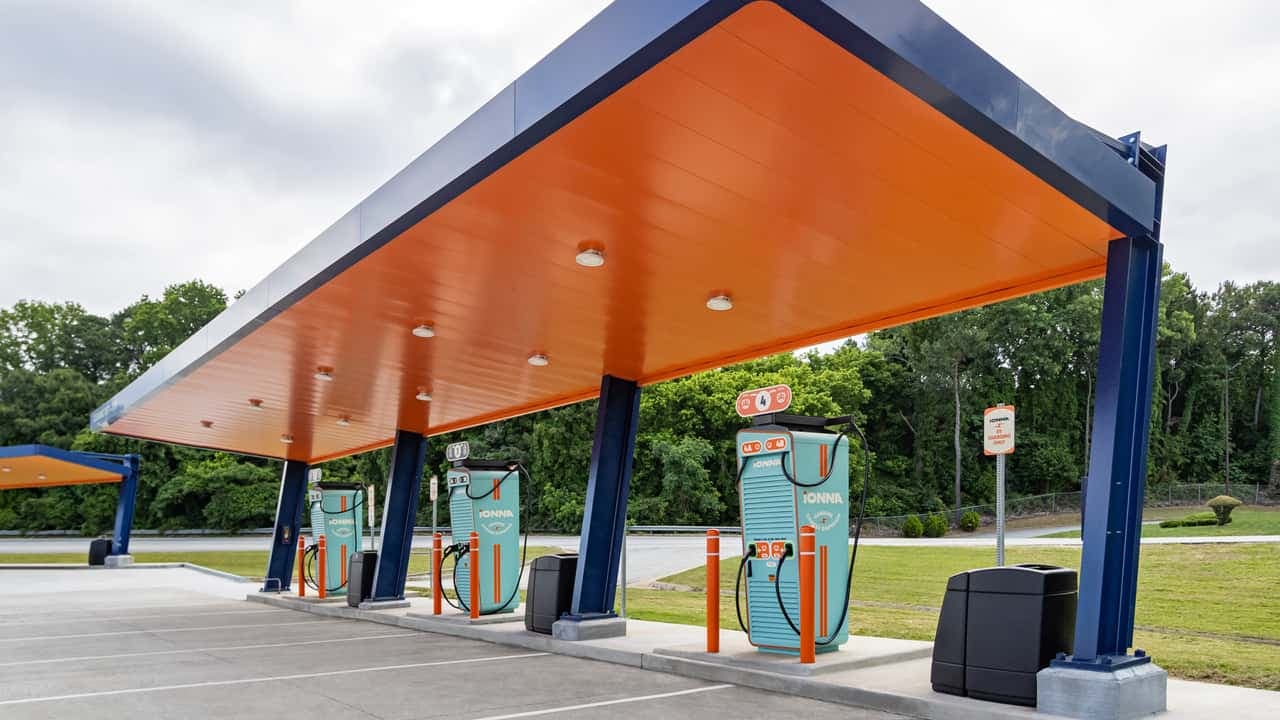
Under the hood, the Eclipse Sportback EV mirrors much of its sibling’s performance capability, utilizing a 75 kWh battery pack paired with a single-motor, front-wheel-drive configuration. This setup delivers 214 horsepower, providing a balanced experience for daily commuting and urban driving. The inclusion of a NACS charging port ensures future-proof compatibility with an expanding network of rapid chargers, allowing the vehicle to complete a 10% to 80% charge in approximately 35 minutes at 150 kW.
Efficiency and range metrics show a slight variation compared to the Nissan equivalent. The Mitsubishi model boasts a claimed range of 282 miles, which places it slightly behind the long-range variants of the Nissan Leaf. This variance is largely attributed to the vehicle's specific equipment loadout. While the entry-level Leaf S+ prioritizes maximum range, the Eclipse Sportback appears to prioritize a higher baseline of convenience features and cabin technology, creating a distinct value proposition for consumers who prioritize creature comforts over raw mileage range.
Why the Pricing Strategy Matters
The pricing structure of the Eclipse Sportback EV has generated significant industry discussion. At a base MSRP of nearly $40,000, it faces stiff competition from established players, including the Nissan Leaf itself. For many buyers, the success of the Mitsubishi model will hinge on how the "exceptionally well-equipped" baseline translates to day-to-day utility. By offering only one major add-on—a $2,600 Technology Package—Mitsubishi is attempting to simplify the sales experience, though it remains to be seen how the market will respond to a premium price point for a vehicle that shares its core hardware with more affordable counterparts. Ultimately, the battle for dominance in this segment will likely be fought in the showrooms, where dealer availability and local incentive structures will play a decisive role in consumer adoption.