ScienceTechnical Deep Dive

Bumble Bees Buzz Past Expectations, Inventing Solutions to Intelligence Tests

Published
EElectricBuzz Editorial Team
Bumble Bees Buzz Past Expectations, Inventing Solutions to Intelligence Tests
1 min read145 wordsElectricBuzz Editorial Team

The Gist

“Bumble bees have once again amazed researchers, spontaneously devising a clever new method to solve a complex intelligence puzzle, signaling an unexpected depth of cognitive ability.”

Tiny Brains, Big Breakthroughs: Bumble Bees Show Surprising Smarts

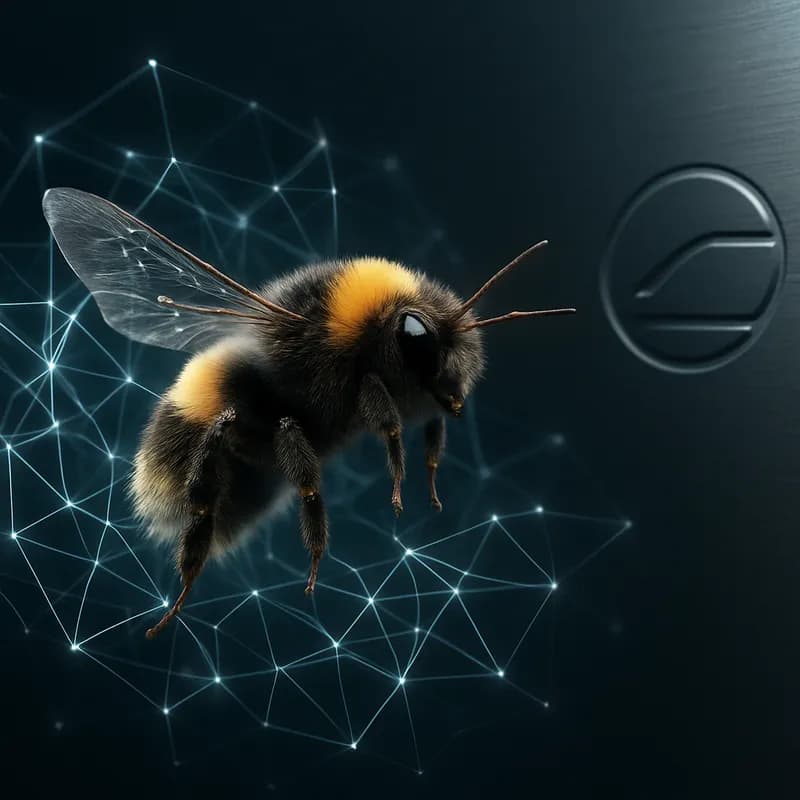
Forget everything you thought you knew about insect intelligence. Bumble bees are proving to be far more clever and adaptable than previously imagined, astonishing scientists by inventing a completely novel way to tackle a classic intelligence test.

Researchers presented the bees with a puzzle involving accessing a hidden reward. Without any prior instruction or demonstration, the industrious insects autonomously came up with an ingenious solution that had not been taught to them. This spontaneous problem-solving ability hints at a level of cognitive flexibility rarely attributed to such small creatures.

The groundbreaking discovery adds significant weight to a growing body of evidence suggesting that bumble bees possess remarkable learning capabilities, memory, and now, even inventive problem-solving skills. It challenges long-held assumptions about insect cognition and opens new avenues for understanding the complex minds of these vital pollinators.


SPONSORED
The 5 Best Over-Ear ANC Headphones of 2026, Tested & Ranked
Editor's Pick Guide
92/100
Tech & Gadgets•12 min read

The 5 Best Over-Ear ANC Headphones of 2026, Tested & Ranked

We locked five over-ear ANC picks for 2026 — Sony WH-1000XM6, Bose QuietComfort Ultra 2, Soundcore Space One, Sennheiser Momentum 5, and Apple AirPods Max 2 — then stress-tested them on lab metrics, long-term owner truth, and live street prices.

Related Stories

Semantically matched articles, ranked by topic overlap and freshness.

Jurassic 'Chunk': Scientists Uncover Bizarre New Squid Relative
Science

Jurassic 'Chunk': Scientists Uncover Bizarre New Squid Relative

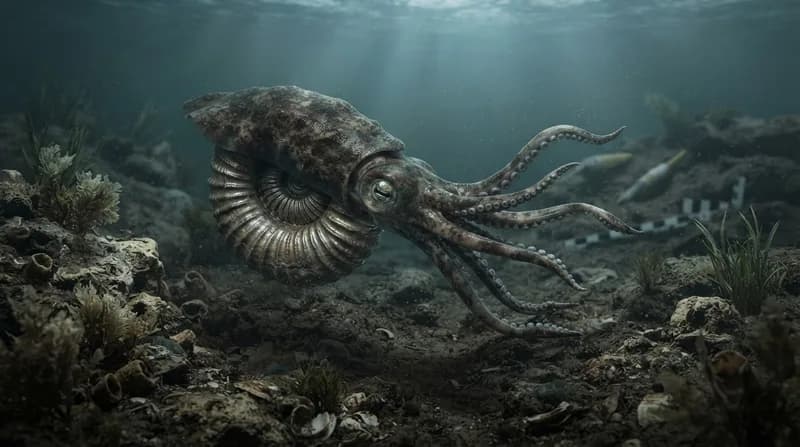
Paleontologists have identified Wyoteuthis linsterorum, a uniquely robust Jurassic predator that has rewritten our understanding of ancient marine cephalopod evolution.

The Hidden Health Crisis: How Hurricanes Impact Medically Vulnerable Seniors
Science

The Hidden Health Crisis: How Hurricanes Impact Medically Vulnerable Seniors

New research highlights the long-term health consequences for elderly patients relying on electric medical devices in the wake of severe flooding and storm events.

The Predictive Brain: How Modern Neuroscience Validates Freudian Theory
Science

The Predictive Brain: How Modern Neuroscience Validates Freudian Theory

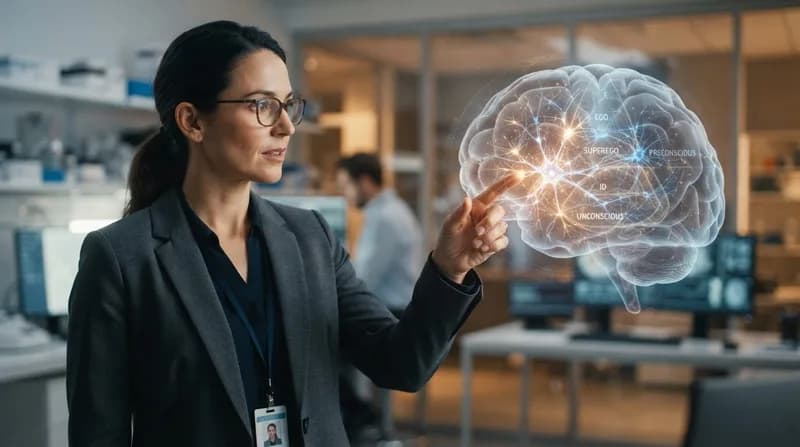
A groundbreaking analysis suggests that the human brain operates as a 'prediction machine,' echoing psychoanalytic concepts proposed by Sigmund Freud over a century ago.

Unlocking the Mystery: Why Cancer Immunotherapy Can Trigger Recurrent Arthritis
Science

Unlocking the Mystery: Why Cancer Immunotherapy Can Trigger Recurrent Arthritis

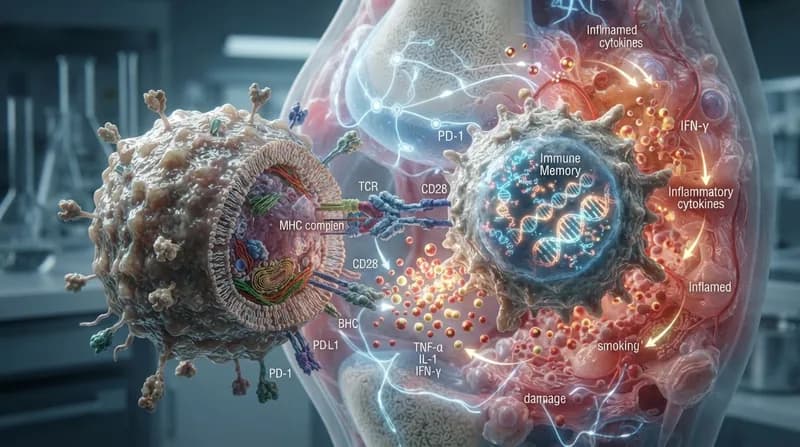
New research reveals that the immune system’s memory mechanism may be responsible for the painful, recurring arthritis sometimes seen in cancer immunotherapy patients.

NASA's New Galactic Gallery Unveils the Chaos of the Cosmos
Science

NASA's New Galactic Gallery Unveils the Chaos of the Cosmos

A breathtaking new collection of 16 galaxy images combines data from Chandra, Webb, and Hubble to reveal the violent, hidden forces of our universe.

Quantum Breakthrough: Scientists Hit the 'Fourier Limit' on Molecule Surfaces
Science

Quantum Breakthrough: Scientists Hit the 'Fourier Limit' on Molecule Surfaces

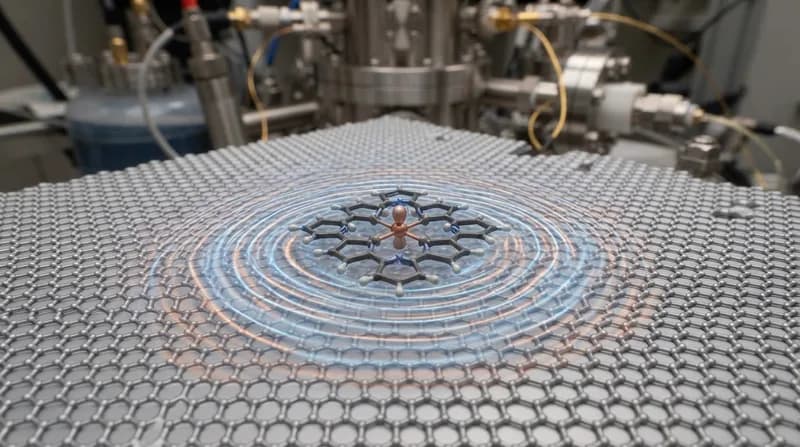
Researchers at the Max Planck Institute have successfully stabilized individual molecules on a surface, achieving the ultimate theoretical limit for quantum coherence.

The Communication Gap: Why Improved Hurricane Maps Are Failing to Change Behavior
Science

The Communication Gap: Why Improved Hurricane Maps Are Failing to Change Behavior

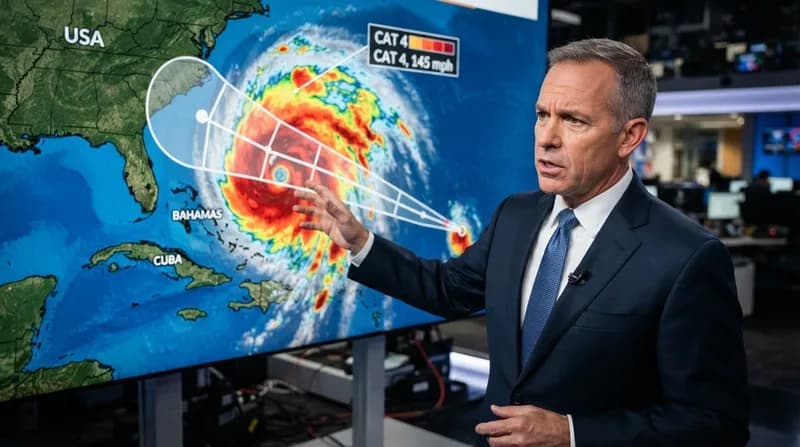
New research from Florida State University suggests that while hurricane forecast graphics are becoming more technically accurate, they aren't effectively motivating the public to take life-saving precautions.

Bridging the Reality Gap: How VR and Wearables Are Transforming Parkinson’s Care
Science

Bridging the Reality Gap: How VR and Wearables Are Transforming Parkinson’s Care

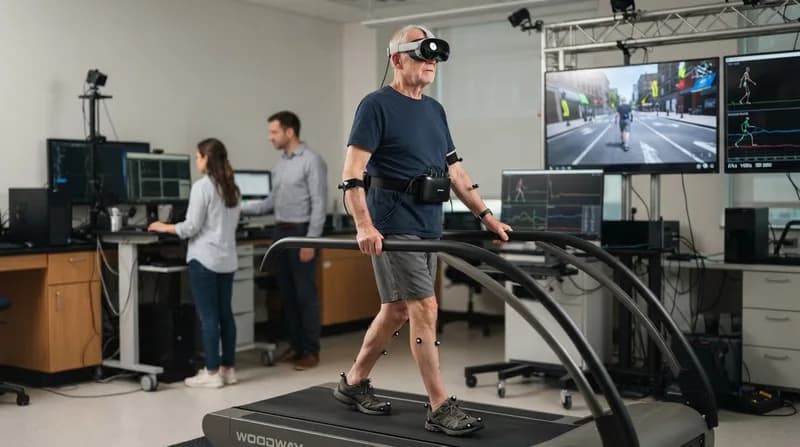
Lehigh University researchers are leveraging virtual reality and wearable sensors to decode Parkinson’s-related gait impairments and personalize patient rehabilitation.