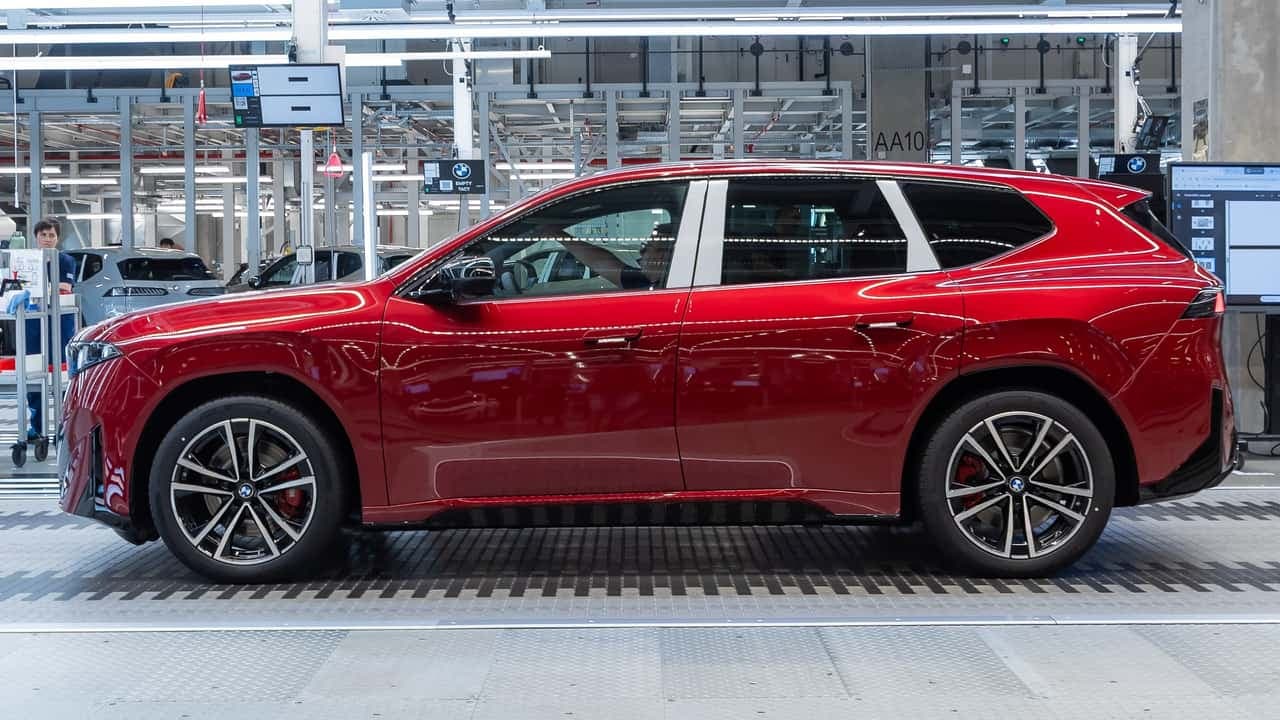
The Acceleration of Neue Klasse Production
BMW is signaling a massive shift in its electric vehicle strategy as its cutting-edge manufacturing facility in Debrecen, Hungary, reaches a critical milestone. The plant, which serves as the primary production hub for the new iX3 electric crossover, has officially moved to a three-shift, 24/7 operating schedule. This transition represents the fastest production ramp-up in the history of the BMW Group, as the factory moved from a single shift to around-the-clock operations in just eight months.
The move is a direct response to overwhelming market demand. Since the vehicle's debut last year, BMW has secured over 100,000 orders across the European market. With 50,000 units already delivered or completed, the assembly line is working tirelessly to fulfill the remaining 50,000 orders currently in the queue. This $2.3 billion investment is clearly paying dividends, validating BMW's decision to lean heavily into its Neue Klasse platform, which integrates next-generation battery cell technology and innovative assembly techniques.
Why It Matters
The success of the iX3 in the European market marks a pivotal moment for BMW's transition toward electrification. By successfully building a factory from the ground up that prioritizes efficiency and modular architecture, the company has managed to scale production at a pace that keeps up with the aggressive demand for premium electric SUVs. This performance sets a new benchmark for traditional automakers struggling to balance high-volume manufacturing with the complex requirements of modern EV production.
Furthermore, the Debrecen plant acts as a blueprint for BMW’s future global operations. The success here is expected to be replicated at the company's San Luis Potosi site in Mexico, which is slated to begin assembling U.S.-spec iX3 models in the coming year. This dual-continent production strategy will be essential as the automaker works to meet global supply needs while maintaining high standards for build quality and performance.
Future Outlook and Expansion
The workforce of 5,000 employees is preparing for even greater activity in the coming months. Starting this fall, the Debrecen site is expected to integrate a second electric model onto its production lines. Industry analysts broadly expect this new addition to be the iX4, a coupe-like variant that shares the same platform as the iX3. By diversifying its offerings on the same chassis, BMW aims to streamline production costs while maximizing output.
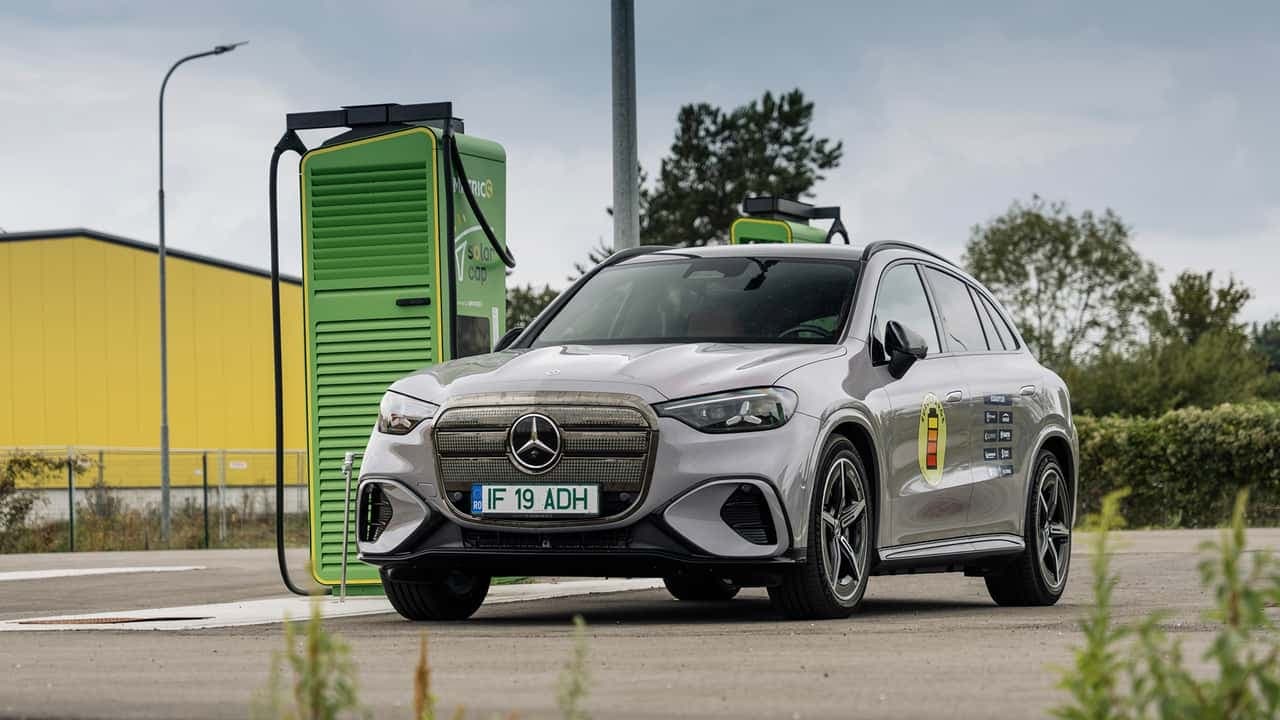
The competitive landscape remains intense, with the iX3 going head-to-head with heavy hitters like the Volvo EX60 and the Mercedes-Benz GLC Electric. However, with an impressive EPA-estimated range of up to 434 miles and the ability to regain significant charge in just 21 minutes, the iX3 has positioned itself as a legitimate replacement for traditional gas-powered luxury crossovers. As the iX4 and the upcoming i3 join the production rotation, BMW's presence in the electric sector is poised to expand significantly through 2025 and beyond.