BMW is reaffirming its commitment to hydrogen power, positioning it as a necessary pillar alongside battery electric vehicles (BEVs) in the race toward zero-emission mobility. While much of the automotive industry has shifted focus entirely to batteries, the German automaker believes that hydrogen fuel-cell electric vehicles (FCEVs) offer unique advantages that cannot be ignored.
The iX5 Hydrogen Pilot
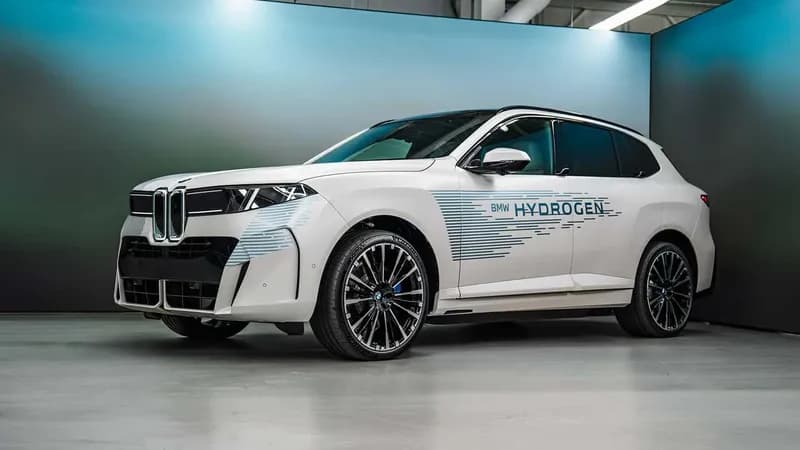
Central to this strategy is the BMW iX5 Hydrogen, a fuel-cell version of the popular X5 SUV. By utilizing hydrogen, BMW aims to provide a solution for drivers who require long-range capabilities and rapid refueling times—features that currently challenge existing battery technology in certain climates and infrastructure conditions.
BMW argues that hydrogen technology is particularly suited for larger vehicles and regions where charging infrastructure for BEVs remains underdeveloped. The company suggests that a diversified approach to powertrain technology ensures greater flexibility for global markets and reduces dependency on specific raw materials required for large-scale battery production.