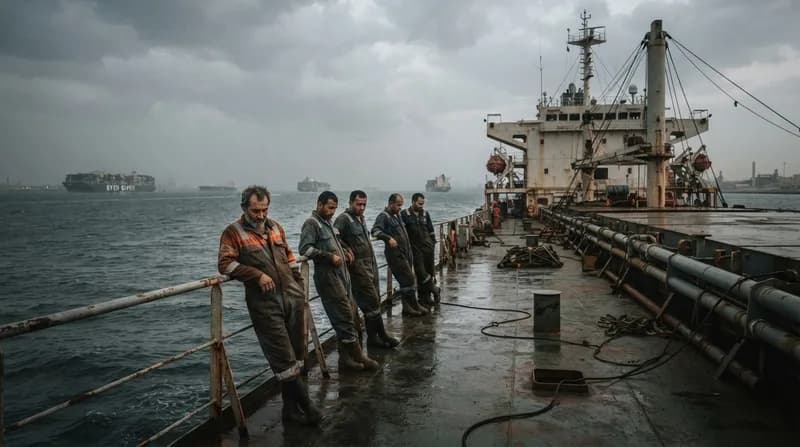
The Invisible Workforce Under Pressure
As geopolitical instability ripples through the Strait of Hormuz, the conversation in global markets is dominated by the volatility of fuel prices and the potential for supply chain disruptions. However, this economic focus frequently obscures the human cost of the crisis. According to the International Maritime Organization (IMO), approximately 20,000 seafarers are currently impacted by the regional turmoil, with many stranded on vessels that are effectively trapped in dangerous waters. With 80% of global trade relying on maritime transport, the stability of our modern economy is inextricably linked to the well-being of a workforce often confined to the high seas for months at a time.
The dangers faced by these crews go far beyond the immediate risk of physical harm from conflict. Extensive research into maritime psychology reveals that prolonged exposure to danger, combined with the inherently isolating nature of life at sea, creates a perfect storm for mental health deterioration. Factors such as irregular sleep patterns, restricted movement, and the lack of a reliable support system are primary contributors to stress, depressive symptoms, and the systemic condition of burnout.
The Anatomy of Maritime Burnout
The operational reality of merchant shipping involves 24/7 activity, often forcing crew members into rigorous watch-keeping rotations that clash with natural circadian rhythms. When these physical stressors are compounded by the psychological toll of a war-zone environment, the result is often severe emotional exhaustion. A survey of 319 maritime workers operating in the Black Sea conflict zone revealed that 95% experienced elevated stress or anxiety, with nearly 80% reporting that their overall mental health had been significantly compromised.
Burnout, as defined by the World Health Organization, is more than just feeling tired; it is a state of total exhaustion, detachment, and reduced professional efficacy. For seafarers, this condition is exacerbated by limited autonomy. Unlike land-based professionals, they cannot simply walk away from a dangerous environment when a contract is in force, creating a sense of entrapment that deepens feelings of helplessness.
Context: Why the Current Regulatory Framework Matters
- Warlike Designations: In March 2026, the International Transport Workers' Federation officially categorized the Persian Gulf and surrounding areas as a "Warlike Operations Area," granting some workers the right to repatriation and hazard pay.
- The Disparity Gap: Despite the Maritime Labor Convention, significant wage gaps persist on individual ships, often tied to nationality, which creates social friction and feelings of inequity within confined living quarters.
- Systemic Vulnerability: Research indicates that "permanent" contract holders often receive better treatment and shorter tours than those on "temporary" contracts, even when performing identical tasks, which directly impacts morale and mental resilience.
Pathways to Reform and Protection
Addressing the mental health of seafarers requires a fundamental shift in how the shipping industry views its human capital. While labor organizations have secured some wins—such as the right to refuse work in hazardous zones for certain covered vessels—these protections are far from universal. To mitigate the current crisis, industry leaders must move beyond minimum standards to address the structural inequalities that amplify stress, such as transparent wage bands and independent oversight for pay discrimination.
Ultimately, the resilience of the global supply chain depends on the people operating the vessels. Moving forward, the industry must integrate psychological support as a core safety metric, alongside physical safety protocols. Governments and corporations have a shared responsibility to ensure that the individuals who anchor global trade are not forced to endure the mental and emotional consequences of regional conflict in isolation.