A Genetic Legacy from the Distant Past
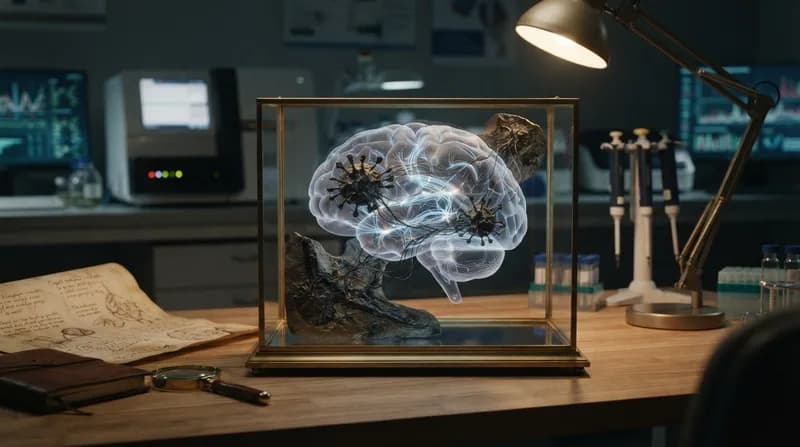
For millions of years, infectious diseases have coursed through animal populations, leaving behind far more than just historical scars. Recent findings published in Science Advances by a team at Lund University suggest that ancient viruses—specifically those that became embedded in the host genome—have acted as silent architects of our biological identity. By studying the differences between human and chimpanzee development, researchers have identified how a viral infection in our ancestors might have fundamentally steered the trajectory of human cognitive evolution.
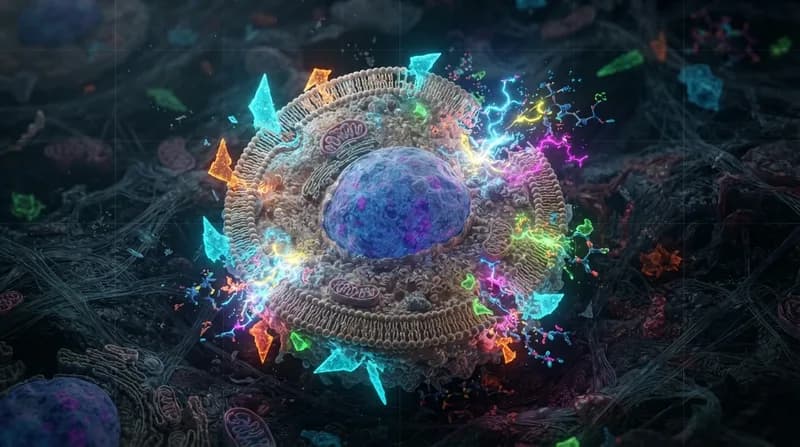
The study centers on PTERV1, an ancient endogenous retrovirus that infected the ancestors of chimpanzees millions of years ago. Unlike transient infections, this virus integrated its own genetic material into the host genome. Over eons, these viral remnants were passed down through generations, effectively becoming a permanent fixture of the chimpanzee genetic code. While humans and chimpanzees share the vast majority of their DNA, this research highlights how small, regulatory differences—specifically the 'switching on' or 'switching off' of genes—can result in vastly different outcomes in brain structure.
The Role of LINC00662 in Neural Development
At the heart of the team's discovery is the LINC00662 gene. Through the use of innovative laboratory techniques, researchers created miniature, three-dimensional brain models known as organoids derived from both human and chimpanzee stem cells. When the scientists compared these organoids, they observed a striking discrepancy: LINC00662 was highly active during early human brain development, but it was completely silenced in the chimpanzee models. This specific gene is crucial for nerve cell development and the complex task of establishing synaptic connections, which are the building blocks of neural communication.
To confirm the link between the ancient virus and this gene silencing, the research team utilized CRISPR-Cas9 gene-editing technology. By systematically removing the viral DNA sequences from the chimpanzee cells, the researchers were able to reactivate the LINC00662 gene. This experiment provided direct, causal evidence that the viral insertion was the primary mechanism preventing the expression of this gene in our evolutionary relatives, essentially demonstrating how a prehistoric infection fundamentally rewired the regulatory landscape of the chimpanzee brain.
Why It Matters
- Evolutionary Insights: The research suggests that human uniqueness is not just about having 'different' genes, but about how shared genes are regulated and expressed.
- Viral Influence: It challenges the notion that 'junk DNA' is purely inert, proving that remnants of past pandemics can dictate modern biological functions.
- Neurodevelopmental Foundations: Identifying LINC00662 as a key player in nerve cell connectivity opens new avenues for understanding how human cognitive networks are established.
- Future Medical Applications: Beyond evolution, the discovery may eventually help scientists understand the roots of various neurological conditions, as the same regulatory pathways that shaped our brains could be involved in brain-related diseases.
The Future of Evolutionary Neurogenetics
The discovery represents a significant leap in our understanding of evolutionary biology. By showing that viral integration can act as a permanent, population-wide 'off switch' for essential developmental genes, the study offers a new lens through which to view human and chimpanzee divergence. Moving forward, the research team intends to explore whether other inherited viral sequences have exerted similar pressures on the primate genome.
Ultimately, this research invites us to reframe the story of human evolution. Rather than viewing the development of the human brain solely through the lens of beneficial mutations, we must consider the role of exogenous genetic agents. The sophisticated cognitive structures that define humanity may, in some part, be the unintended byproduct of an ancient, microscopic conflict that occurred millions of years ago.