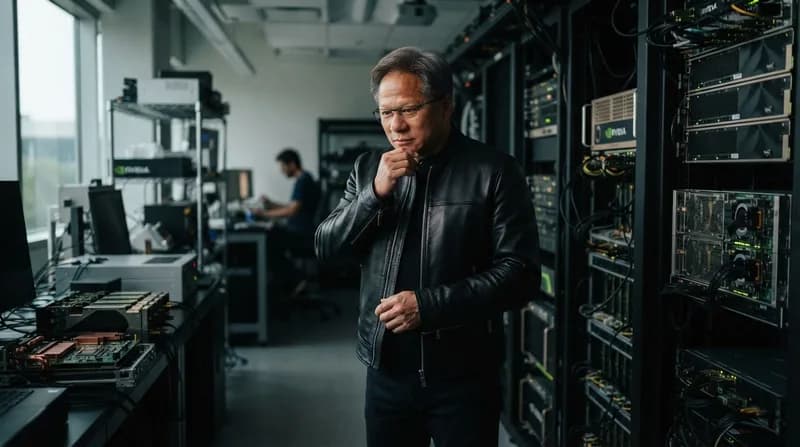
A Turning Point for the AI Giant
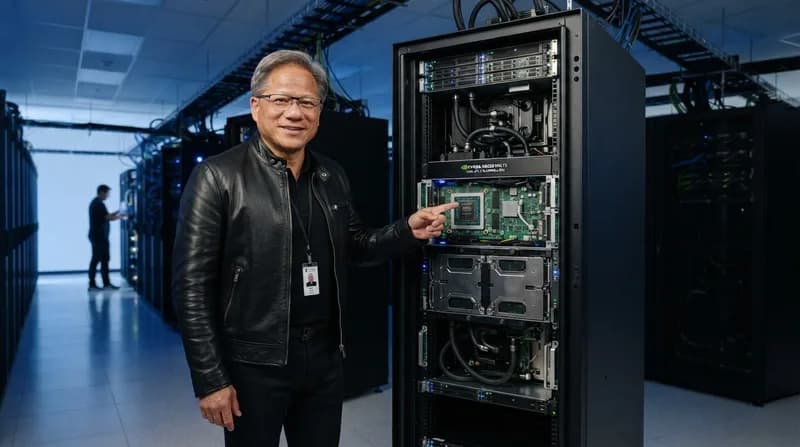
In a shock to the global technology sector, Nvidia has officially announced the resignation of Jensen Huang, the visionary leader who transformed the company from a gaming-focused GPU manufacturer into the central pillar of the global artificial intelligence infrastructure. The departure comes on the heels of explosive reports detailing allegations of personal conduct issues, including an entanglement with an individual allegedly under suspicion by U.S. intelligence agencies for ties to foreign espionage.
The Impact on Industry Stability
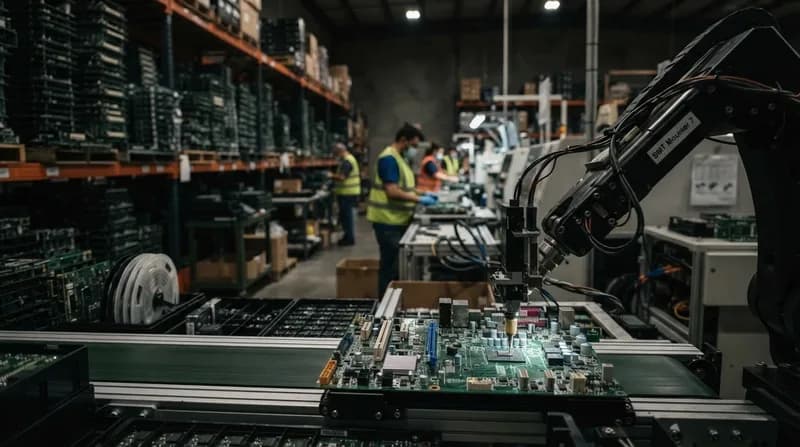
The sudden nature of Huang's exit has sent tremors through Silicon Valley and Wall Street. Under Huang’s stewardship, Nvidia’s market valuation soared, driven by an insatiable demand for AI-focused chips like the H100 and Blackwell architectures. As the company moves to install interim leadership, analysts are bracing for a period of volatility. The stability of Nvidia’s supply chain, its roadmap for future hardware releases, and its dominant position in AI research centers worldwide all now face significant questions regarding continuity and strategic direction.
Why It Matters
- Strategic Uncertainty: Nvidia serves as the backbone for almost every major foundation model training run; any leadership vacuum could delay product cycles.
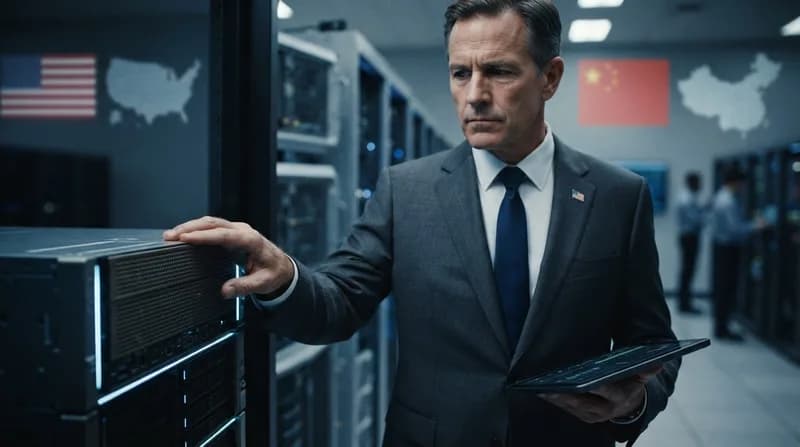
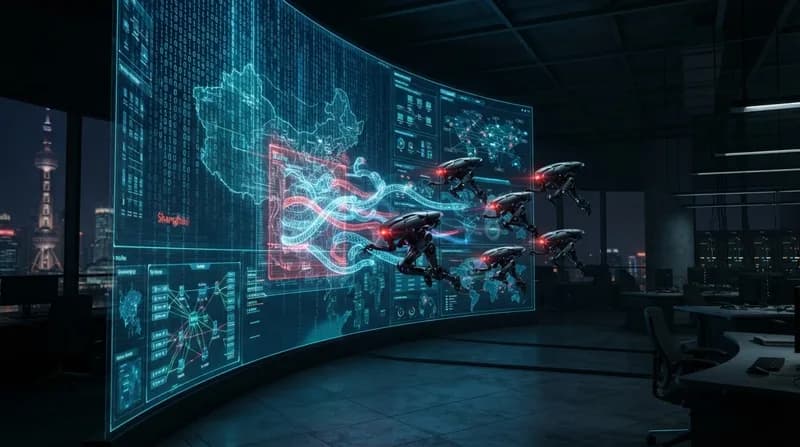
- Geopolitical Scrutiny: The reported nature of the allegations surrounding the resignation adds a layer of complexity to Nvidia’s relationship with international regulators, particularly regarding export controls.
- Market Volatility: As the primary driver of recent AI-sector stock growth, Nvidia's governance shifts will likely cause ripple effects across the entire technology index.
The firm has stated that it is currently searching for a permanent successor to navigate the complexities of a post-Huang era. For now, the tech industry remains in a holding pattern, waiting to see how the board will reconcile the firm's explosive growth trajectory with the sudden departure of its primary architect.