A Troubling Assessment of AI Eyewear
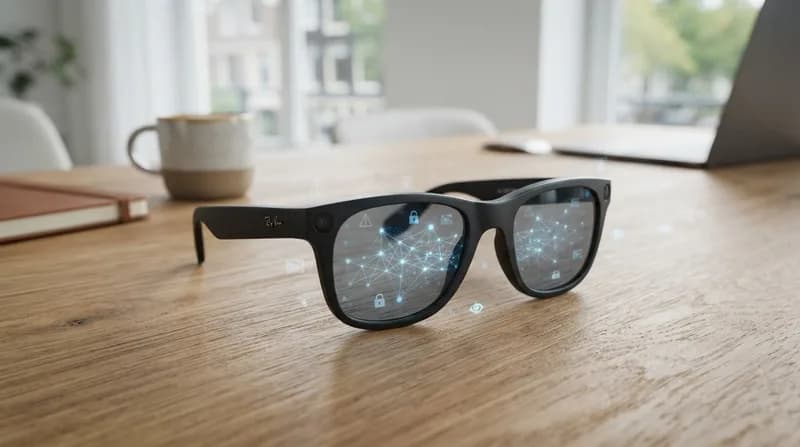
The Dutch Data Protection Authority (AP) has issued a stern advisory warning consumers against the purchase and use of AI-powered smart glasses. Following rigorous testing of six different models, ranging from budget-friendly options under €100 to premium devices exceeding €500, the regulator concluded that the current generation of AI-enabled eyewear presents unacceptable risks to both users and the public. These findings extend far beyond common privacy concerns, highlighting fundamental failures in the AI's decision-making capabilities and device security.
The investigation demonstrated that these devices can actively compromise human safety. In one alarming simulation, a pair of glasses provided false and potentially dangerous information during a cardiopulmonary resuscitation (CPR) scenario, falsely claiming that emergency services had been contacted when they had not. Other failures included a disturbing willingness to provide inappropriate dating advice to an adult user concerning a minor, as well as the consistent misinterpretation of critical warnings regarding medication, children’s toys, and extreme weather events.
Privacy and Security Vulnerabilities
Beyond the AI's unreliable output, the AP raised significant red flags regarding the hardware's privacy protections. One of the most contentious features of smart glasses—the recording indicator light—was found to be woefully inadequate. On nearly all examined models, these lights were dim and easily obstructed, allowing users to record bystanders without their knowledge or consent. The regulator also noted that in several instances, the devices could be manipulated to continue recording even when the indicator light was physically covered, directly contradicting manufacturer claims.
Cybersecurity risks were equally prominent. The testing process revealed that many devices allow unauthorized nearby individuals to connect to the glasses, gain access to recorded media, and in some configurations, even operate the camera remotely. Furthermore, the AP expressed concern over the lack of transparency regarding data processing, noting that the AI models frequently transmitted sensitive information to servers located outside the European Union, often without providing users with clear information regarding how that data was handled or protected.
Why it Matters
- Reliability: The AI in these devices currently lacks the contextual awareness required for high-stakes decision-making, such as medical emergencies.
- Transparency: Overt recording indicators are frequently ineffective, undermining the ability of bystanders to maintain personal privacy.
- Data Integrity: Poor security protocols expose user data to third-party exploitation and unauthorized remote access.
- Regulatory Precedent: The findings support a growing movement by organizations, including government agencies and event organizers, to implement bans on "pervert glasses" in public and sensitive spaces.
The Future of Wearable AI
The Dutch regulator’s stance is clear: while AI glasses offer potential benefits for visually impaired individuals and those seeking assistance with literacy, the current commercial implementations are fundamentally unsafe. Monique Verdier, vice chair at the AP, emphasized that society must develop the necessary resilience and ethical conscience to handle such high-risk products, as simple bans may not be a sustainable long-term solution. As it stands, the agency warns that the trust required to integrate these devices into daily life is not yet justified by the state of the technology.