The Silicon Standoff
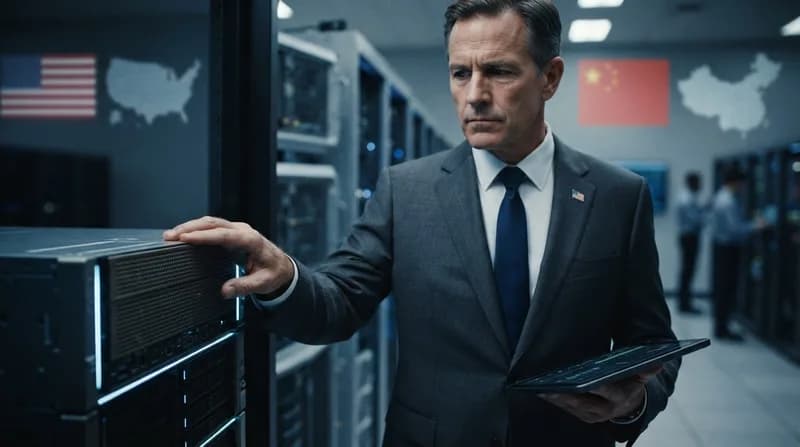
The global technological landscape is reaching a critical inflection point as the United States and China navigate a complex web of trade dependencies and national security interests. At the heart of this friction lies the rapid evolution of artificial intelligence, a field heavily reliant on the advanced processing power provided by Nvidia’s flagship GPU hardware. As diplomatic dialogues between the two nations intensify, the conversation has shifted toward how supply chain security and export restrictions are shaping the future of global innovation.
The current tension is underscored by the essential nature of high-end silicon. Experts like Michelle Giuda, CEO of the Krach Institute for Tech Diplomacy, emphasize that Nvidia’s dominance in the AI hardware market is not merely a commercial advantage but a cornerstone of American technological leadership. The strategic control of these chips has effectively turned semiconductors into the primary currency of modern geopolitical influence, complicating attempts to balance open markets with national security objectives.
The Stakes of Export Controls
A central pillar of the current debate is the efficacy and long-term impact of export controls. By restricting access to state-of-the-art AI chips, Washington aims to maintain a buffer in the development of sophisticated autonomous systems and military-grade AI. However, this strategy carries significant consequences for international semiconductor supply chains and the stability of the global tech ecosystem. The delicate balancing act involves ensuring that domestic innovation remains funded while preventing the proliferation of hardware that could shift the strategic balance in Asia.
Why It Matters
- Supply Chain Dependency: The reliance on concentrated chip production models makes the global tech industry vulnerable to shifts in bilateral relations.
- Strategic Autonomy: Both nations are racing to establish self-reliant AI ecosystems, with China aggressively investing in domestic chip alternatives.
- Diplomatic Leverage: Critical mineral access, specifically rare earths, remains a pivotal component of China's counter-strategy against Western technology sanctions.
Looking ahead, the resolution of these tensions will likely define the trajectory of the AI era. As the US and China continue to vie for supremacy, the availability of specialized compute resources will remain a primary metric of success. The outcome of these high-stakes negotiations will not only affect corporate bottom lines at giants like Nvidia but will set the regulatory precedent for the next decade of digital globalization.