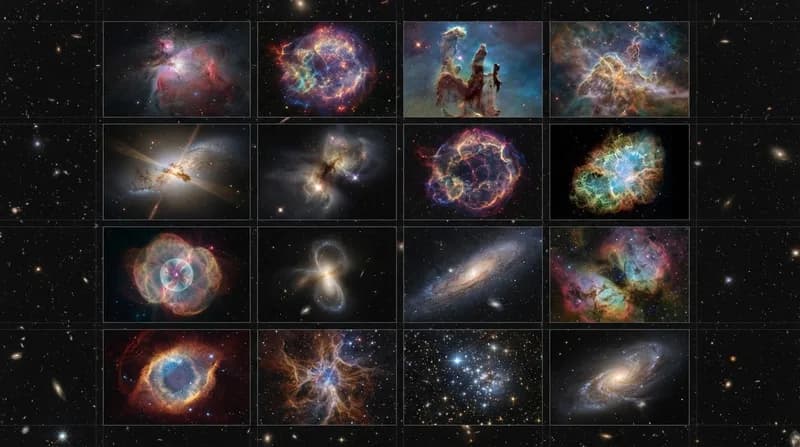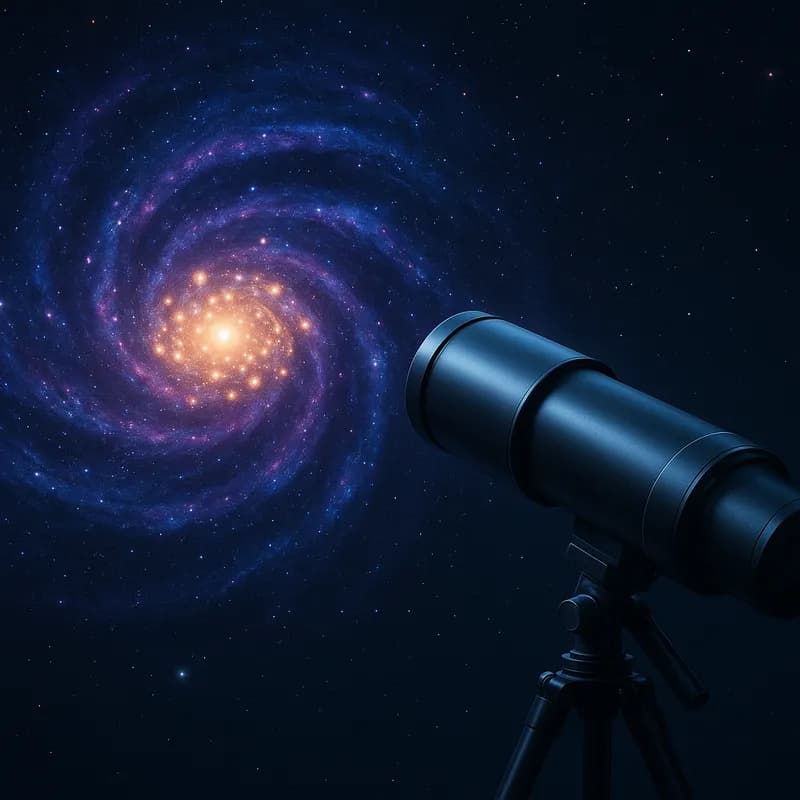
Astronomers have identified 31 of the oldest quasars ever observed, including the two earliest specimens currently known to science. These cosmic beacons date back to a period when the universe was approximately 670 million years old, a remarkably early stage for such complex structures to exist.
The Mystery of Supermassive Growth
Quasars are powered by supermassive black holes that possess masses billions of times greater than that of our Sun. The sheer scale and brightness of these newly discovered objects present a significant challenge to current astrophysical models. Under existing theories, it remains unclear how black holes could accumulate such immense mass so quickly following the Big Bang.
The discovery of these 31 objects provides a larger sample size for researchers to study the conditions of the early universe. By analyzing these ancient light sources, scientists hope to uncover the mechanisms that allowed for such rapid gravitational collapse and growth in the cosmic dawn.