The Science of Traditional Flooring
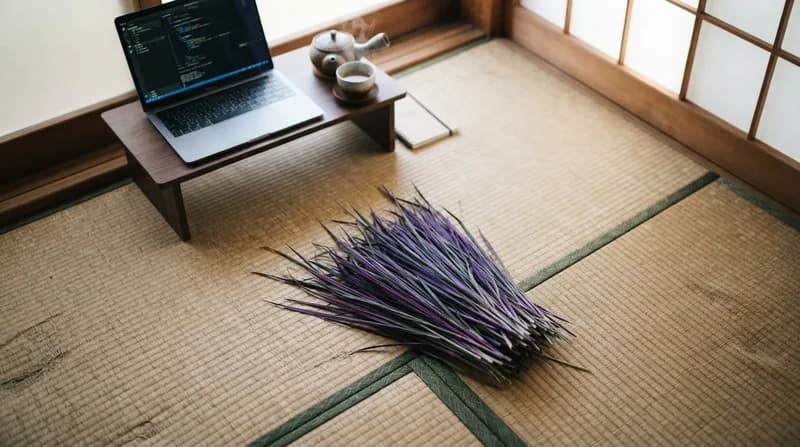
For centuries, the Japanese Washitsu—a room defined by its tatami flooring—has been considered a sanctuary of calm and reflection. While the aesthetic and tactile appeal of these mats is well-known in architectural circles, the biological impact on the human brain has remained largely anecdotal until now. A breakthrough study published in the journal Scientific Reports by researchers at Kyushu University provides the first empirical evidence that the Igusa rush grass used in these mats does more than just provide a soft surface; it actively influences cognitive performance and emotional well-being.
Lead researcher Associate Professor Kuniyoshi Shimizu and his team aimed to move beyond cultural tradition to test the physiological effects of Igusa. By comparing brain activity and psychological states of participants sitting on traditional Igusa mats versus modern, scentless polypropylene plastic mats, the team uncovered distinct neurological patterns that suggest an evolution-friendly benefit to this age-old building material.
Neurological Engagement and Beta Wave Activity
The study utilized electroencephalography (EEG) to monitor 17 volunteers as they performed routine tasks. The results were striking: participants seated on Igusa mats exhibited elevated beta wave activity in specific brain regions, a pattern historically associated with heightened focus, executive function, and task engagement. This objective data suggests that the environment created by Igusa acts as a cognitive catalyst, helping individuals maintain concentration while navigating their responsibilities.
Beyond focus, the researchers analyzed gamma and alpha wave patterns to assess stress levels. The data indicated that Igusa usage facilitated a more efficient transition between periods of rest and periods of active work. Alpha waves remained notably stable during rest periods, suggesting that the material promotes a state of calm resilience. Essentially, the sensory input provided by the rush grass appears to act as a buffer against environmental stress, allowing the brain to recover more effectively during brief pauses.
Psychological Implications and Future Applications
Subjective reports from the participants mirrored the neurological findings. After completing their tasks, volunteers consistently reported lower levels of tension and anxiety compared to those seated on the synthetic control surfaces. While the study is a small-scale, short-term crossover analysis, it establishes a foundational link between traditional materials and modern mental health interventions.
Why it Matters
- Cognitive Performance: The study highlights that the physical environment, specifically the olfactory and tactile components of a space, directly influences beta wave production and, by extension, sustained focus.
- Traditional Preservation: As the demand for Igusa has declined in modern housing, this research provides a scientific incentive for the revitalization of the traditional rush grass industry in regions like Yatsushiro City.
- Well-being at Work: The potential for incorporating natural materials like Igusa into office or home-work environments offers a simple, non-invasive method for improving employee stress resilience.
The research team intends to scale these trials to include larger and more diverse demographics to confirm these findings. By validating the health benefits of ancient materials, the team hopes to integrate Igusa into contemporary architecture and office design, proving that sometimes the best solutions for modern burnout are those that have been under our feet for generations.