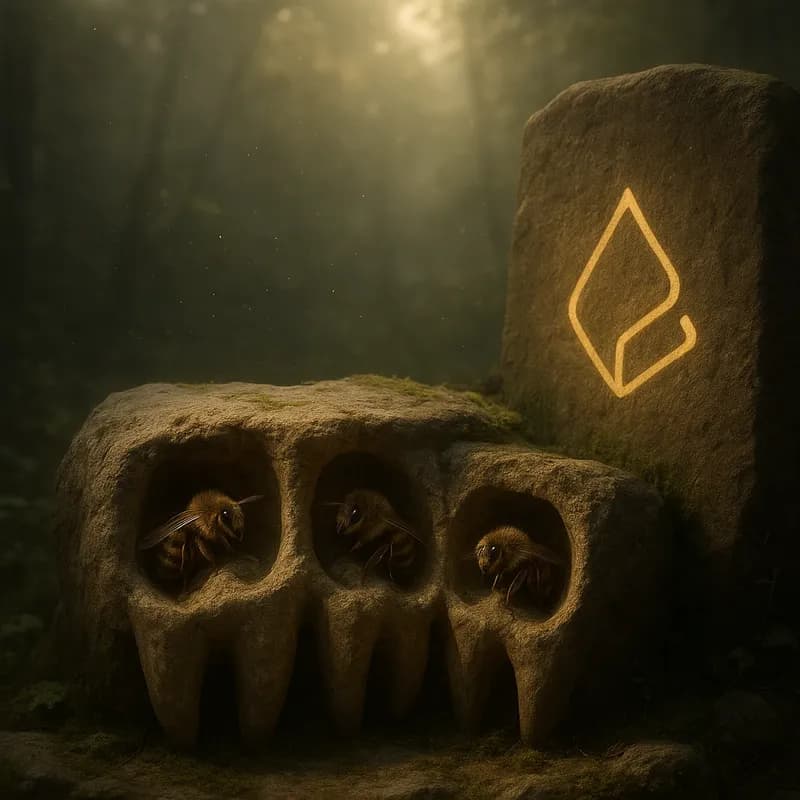
In a fascinating intersection of paleontology and entomology, researchers have discovered the first known evidence of prehistoric bees utilizing animal remains for nesting. Approximately 20,000 years ago, ancient bees turned the empty tooth sockets of mammal bones into secure nurseries for their offspring.
An Innovative Survival Strategy
The discovery suggests a creative adaptation to the environment. Scientists believe that after owls scattered mammal bones across a cave floor, the bees identified the small, protected cavities of the jawbones as ideal locations for their nests. This behavior highlights a sophisticated survival strategy, utilizing available biological structures to protect the next generation.
This find is particularly significant as it represents the first documented instance of bees nesting inside bone material. It provides a rare glimpse into the ecological interactions and nesting habits of insects during the Late Pleistocene epoch, showing how species repurposed available debris in their habitat.