E-BUZZ ME Logo
ScienceTechnical Deep Dive

A Visual History of Solar Eclipses: From Ancient Carvings to Modern Photography

Published
A Visual History of Solar Eclipses: From Ancient Carvings to Modern Photography
1 min read186 words

The Gist

For millennia, humans have documented the moon's transit across the sun through art and science, evolving from stone carvings to high-definition photography.

Solar eclipses have captivated human imagination for thousands of years, serving as both omen and scientific milestone. Throughout history, observers have utilized the technology of their era to record the moment the moon obscures the solar disc, leaving behind a rich visual legacy of these celestial events.

From Ancient Art to Scientific Sketches

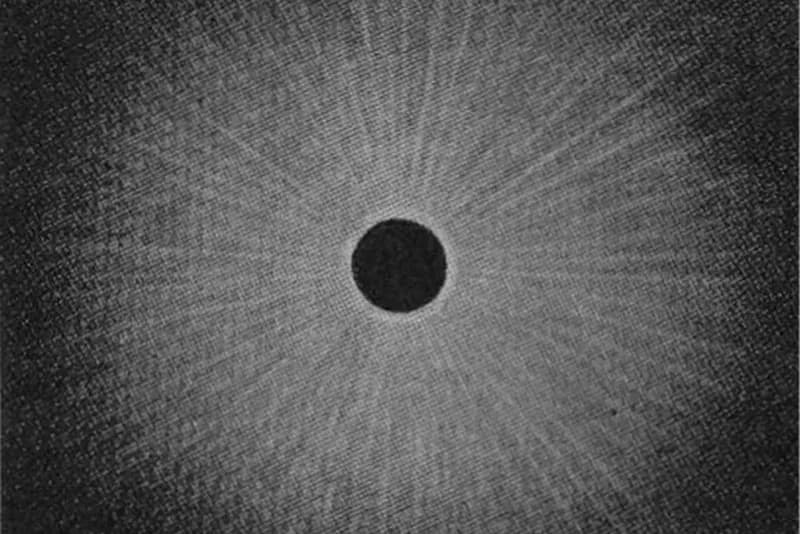
Before the advent of the camera, humanity relied on physical artistry to preserve the experience of an eclipse. Historical records show that ancient civilizations etched these events into stone carvings and depicted them in paintings. As scientific curiosity grew during the Renaissance and Enlightenment, detailed sketches became the primary method for astronomers to document the sun's corona and the precise shapes of the lunar shadow.

The Photographic Revolution

The transition to photography transformed eclipse observation into a precise science. Early daguerreotypes captured the first ghostly images of the solar atmosphere, while modern high-speed digital sensors now allow us to see 'Baily's beads' and solar flares with unprecedented clarity. These images do more than just provide a visual record; they allow researchers to study solar dynamics and the Earth's atmospheric response to sudden darkness.

Related Stories

Semantically matched articles, ranked by topic overlap and freshness.

China’s Tianwen-1 Orbiter Captures Rare Footage of Interstellar Comet 3I/ATLAS
Science63%

China’s Tianwen-1 Orbiter Captures Rare Footage of Interstellar Comet 3I/ATLAS

The Tianwen-1 Mars orbiter has successfully imaged the interstellar visitor 3I/ATLAS, providing a rare look at material originating from outside our solar system.

NASA’s Deep Space Network Threatened by Wildfire
Science61%

NASA’s Deep Space Network Threatened by Wildfire

One of the three critical communication stations enabling NASA to talk to deep space missions is currently facing a direct threat from an active wildfire.

Unprecedented Warming: Earth's Current Climate Shift Outpaces Geological History
Science60%

Unprecedented Warming: Earth's Current Climate Shift Outpaces Geological History

New analysis of Earth's climate history reveals that the current rate of global warming is faster than any previously recorded geological event.

Texas Coal Site Welcomes Massive 1.2 GW Solar Project Without Phasing Out Coal
Electric Vehicles60%

Texas Coal Site Welcomes Massive 1.2 GW Solar Project Without Phasing Out Coal

One of North America's largest solar installations at a coal site is under construction in Texas, highlighting a unique hybrid approach to energy production.

Finalists Announced for the 2026 Electrek American Solar Challenge
Electric Vehicles60%

Finalists Announced for the 2026 Electrek American Solar Challenge

Following a high-stakes competition at the Formula Sun Grand Prix in Minnesota, the qualifying teams have been selected for the upcoming cross-country solar race.

GPS Satellite Network Provides Two Decades of Space Radiation Data
Science57%

GPS Satellite Network Provides Two Decades of Space Radiation Data

A massive cross-calibration effort involving 25 GPS satellites has unlocked twenty years of continuous space radiation tracking.

New Giant Salamander Species Identified from 3.5-Million-Year-Old Japanese Fossils
Science57%

New Giant Salamander Species Identified from 3.5-Million-Year-Old Japanese Fossils

Researchers have identified a new genus and species of giant salamander, Limnospondylus ajimuensis, from fossils originally discovered over two decades ago.

Ancient Egyptian Ape Fossil Challenges Established Human Evolutionary Timeline
Science57%

Ancient Egyptian Ape Fossil Challenges Established Human Evolutionary Timeline

A newly discovered fossil in northern Egypt suggests the ancestors of modern apes and humans may have emerged in North Africa rather than East Africa.