ScienceTechnical Deep Dive

Why Nursing Infrastructure is the Missing Link in Heat-Wave Preparedness

Published
EElectricBuzz Editorial Team
Why Nursing Infrastructure is the Missing Link in Heat-Wave Preparedness
3 min read463 wordsElectricBuzz Editorial Team

The Gist

“As climate change drives record-breaking temperatures, researchers from the University of Pennsylvania argue that hospital resilience depends on stabilizing the nursing workforce.”

The Heat Wave Crisis in Modern Healthcare

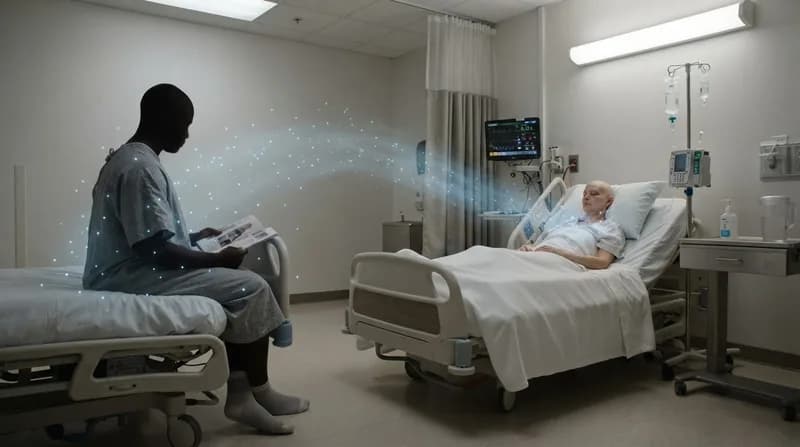
As global temperatures continue to climb, hospitals are facing a silent but deadly surge in demand. A new editorial published in Public Health Nursing, spearheaded by the Center for Health Outcomes and Policy Research (CHOPR) at the University of Pennsylvania, argues that standard disaster preparedness is failing to account for the most critical component of hospital operations: the bedside nursing staff. While extreme heat triggers a predictable influx of emergency department visits, the internal capacity to handle these patients remains dangerously thin.

The study highlights that managing heat-related illnesses is inherently labor-intensive. Patients suffering from hyperthermia and secondary complications like multi-organ failure require constant, vigilant nursing surveillance to prevent rapid deterioration. Without sufficient staff, the ability to deliver the necessary, high-acuity care during a sudden influx of heat-stricken patients is severely compromised, putting lives at direct risk.

The Direct Link Between Staffing and Survival

Researchers Eileen T. Lake, Domenique Villani, and Ysabella Perez emphasize that nurse staffing is not merely an operational concern but a foundational pillar of emergency infrastructure. Previous data from CHOPR has already established a clear correlation between nurse staffing ratios and patient mortality rates. When applied to climate-driven emergencies, this relationship becomes even more critical. The authors warn that health systems must stop viewing nursing support as a secondary budget item and start treating it as an essential defense mechanism against climate-related public health disasters.

The research paper calls for a paradigm shift across the medical landscape, focusing on four specific pillars:

  • Research: Continued investigation into how specific staffing models influence outcomes during environmental surges.
  • Education: Training nursing staff to recognize and manage heat-specific medical emergencies with greater speed and efficiency.
  • Practice: Integrating real-time surveillance into standard nursing protocols for heat waves.
  • Policy: Mandating that hospital disaster planning boards include nursing leadership and staffing requirements as primary criteria for accreditation and preparedness.

Why It Matters: Building Climate-Ready Hospitals

The implications of this research are clear: hospitals cannot withstand the heat if their workers are already burnt out or under-resourced. As extreme heat events become more frequent and more intense, health systems must rethink their resource allocation. By investing in a robust, well-supported nursing workforce, hospitals can create a buffer that ensures patient safety regardless of the external environmental pressure. The researchers argue that failing to address these workplace conditions effectively leaves the healthcare system vulnerable to the very spikes in patient volume that climate change guarantees.

Ultimately, the editorial urges hospital administrators to view nurse staffing as an essential form of climate resilience. In an era of unpredictable weather, the stability of the workforce is the most reliable tool available for ensuring that emergency departments don't just survive the heat, but continue to provide high-quality, life-saving care when it is needed most.


SPONSORED
The 5 Best Over-Ear ANC Headphones of 2026, Tested & Ranked
Editor's Pick Guide
92/100
Tech & Gadgets•12 min read

The 5 Best Over-Ear ANC Headphones of 2026, Tested & Ranked

We locked five over-ear ANC picks for 2026 — Sony WH-1000XM6, Bose QuietComfort Ultra 2, Soundcore Space One, Sennheiser Momentum 5, and Apple AirPods Max 2 — then stress-tested them on lab metrics, long-term owner truth, and live street prices.

Related Stories

Semantically matched articles, ranked by topic overlap and freshness.

Celestial Spectacles: October 2026 Astronomy Guide
Science

Celestial Spectacles: October 2026 Astronomy Guide

From the peak of the Orionid meteor shower to a rare lunar encounter with the Pleiades, October 2026 offers a prime schedule for night-sky enthusiasts.

Unmasking the Silent Spread: New Model Reveals How Asymptomatic Patients Drive C. diff in Oncology Wards
Science

Unmasking the Silent Spread: New Model Reveals How Asymptomatic Patients Drive C. diff in Oncology Wards

A groundbreaking study utilizing stochastic transmission models has identified asymptomatic carriers as the primary vector for C. diff infections in cancer units, challenging current hospital screening protocols.

Unlocking Longevity: A Potential Breakthrough in T Cell Fatigue for Cancer Treatment
Science

Unlocking Longevity: A Potential Breakthrough in T Cell Fatigue for Cancer Treatment

Researchers at Memorial Sloan Kettering Cancer Center have discovered a way to prevent immune cells from burning out, potentially revolutionizing the long-term efficacy of cancer immunotherapy.

New Nanoparticle Breakthrough Targets Both Lung Cancer and Muscle Wasting
Science

New Nanoparticle Breakthrough Targets Both Lung Cancer and Muscle Wasting

Researchers at Oregon State University have engineered a novel lipid nanoparticle system that delivers mRNA to lung tumors, effectively suppressing cancer growth while simultaneously mitigating debilitating cachexia.

Unlocking Mastery: Vagus Nerve Stimulation Shows Potential to Cement New Skills
Science

Unlocking Mastery: Vagus Nerve Stimulation Shows Potential to Cement New Skills

New research suggests that targeted stimulation of the vagus nerve after training can act as a physiological 'save' button, helping the brain lock in complex motor skills.

Digital Twins: The New Frontier in Medical Device Safety
Science

Digital Twins: The New Frontier in Medical Device Safety

Researchers have unveiled a robust new framework for using computer-simulated 'virtual patients' to identify medical device risks that traditional clinical trials often overlook.

The Genetic Renegade: Researchers Uncover a Human Brain Gene That Can Jump Through DNA
Science

The Genetic Renegade: Researchers Uncover a Human Brain Gene That Can Jump Through DNA

A newly identified human gene, BC200, is shattering biological norms by functioning as both a critical component of brain health and a mobile genetic element capable of jumping through our DNA.

The Three-Day Threshold: New Research Unlocks the Molecular Secrets of Prolonged Fasting
Science

The Three-Day Threshold: New Research Unlocks the Molecular Secrets of Prolonged Fasting

A landmark study reveals that the human body undergoes a massive biological transformation after 72 hours of fasting, opening doors to new therapeutic possibilities.