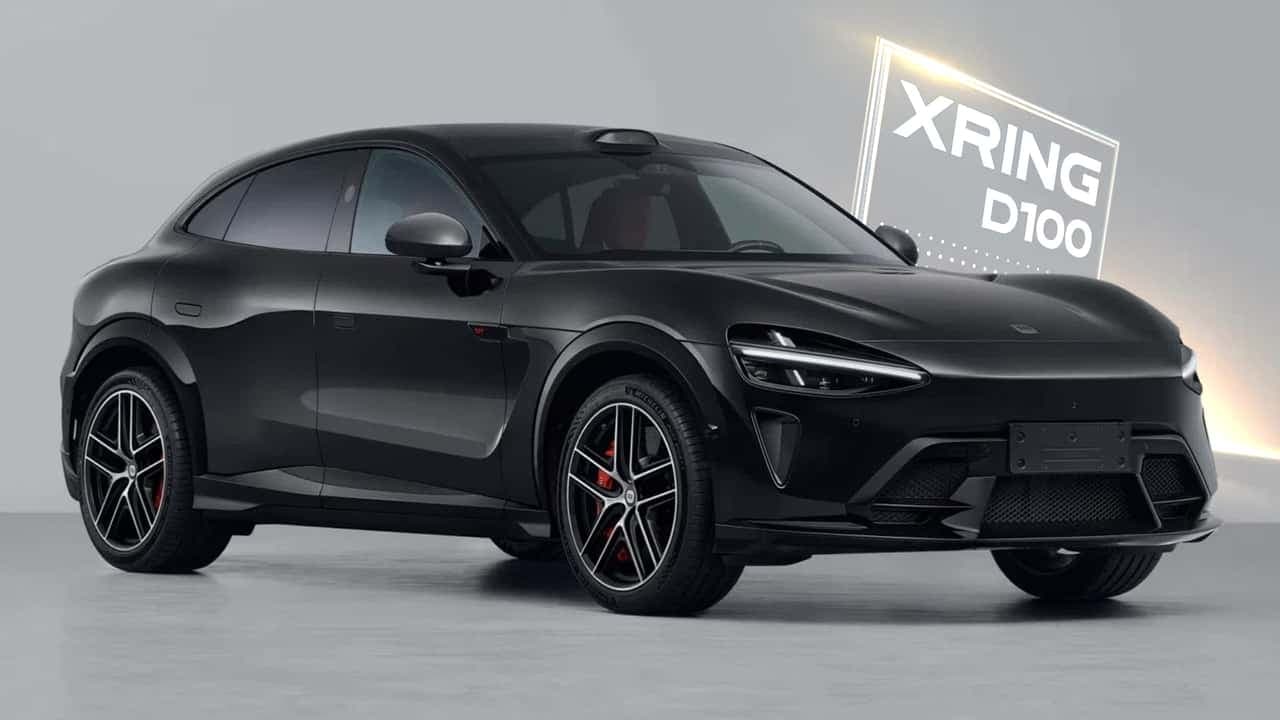
Xiaomi has officially entered the AI chip market with the announcement of its first custom chip, the Xring D100, designed specifically for self-driving electric vehicles (EVs). This significant move marks a shift away from reliance on Nvidia, as Xiaomi aims to carve out its niche in the rapidly evolving automotive technology sector.
Key Specifications
- Core Specifications: The D100 features a robust 20-core CPU paired with a 16-core Neural Processing Unit (NPU).
- Unified Memory: It supports up to 160GB of unified memory, enabling it to run large AI models directly on the device.
- Manufacturing Process: The D100 is notable for being the first chip produced in mainland China using a 3-nanometer manufacturing process, which offers enhanced efficiency and processing density compared to Nvidia's 4-nanometer Thor processor.
This launch is part of a broader strategy among Chinese automakers to develop in-house chips and reduce dependability on U.S. technology companies. Xiaomi has committed over $3 billion to this initiative, reflecting a serious investment in its future in automotive technology.
As the company prepares to compete with established players such as Tesla and Rivian, the D100 chip stands out as a tool for controlling costs, supply chains, and development timelines. This strategic positioning could significantly reshape the EV landscape, particularly as demand for AI chips continues to grow.
The D100 and its associated chips are expected to be commercially available next year, marking a crucial milestone for Xiaomi in its ambitions within the electric vehicle market.