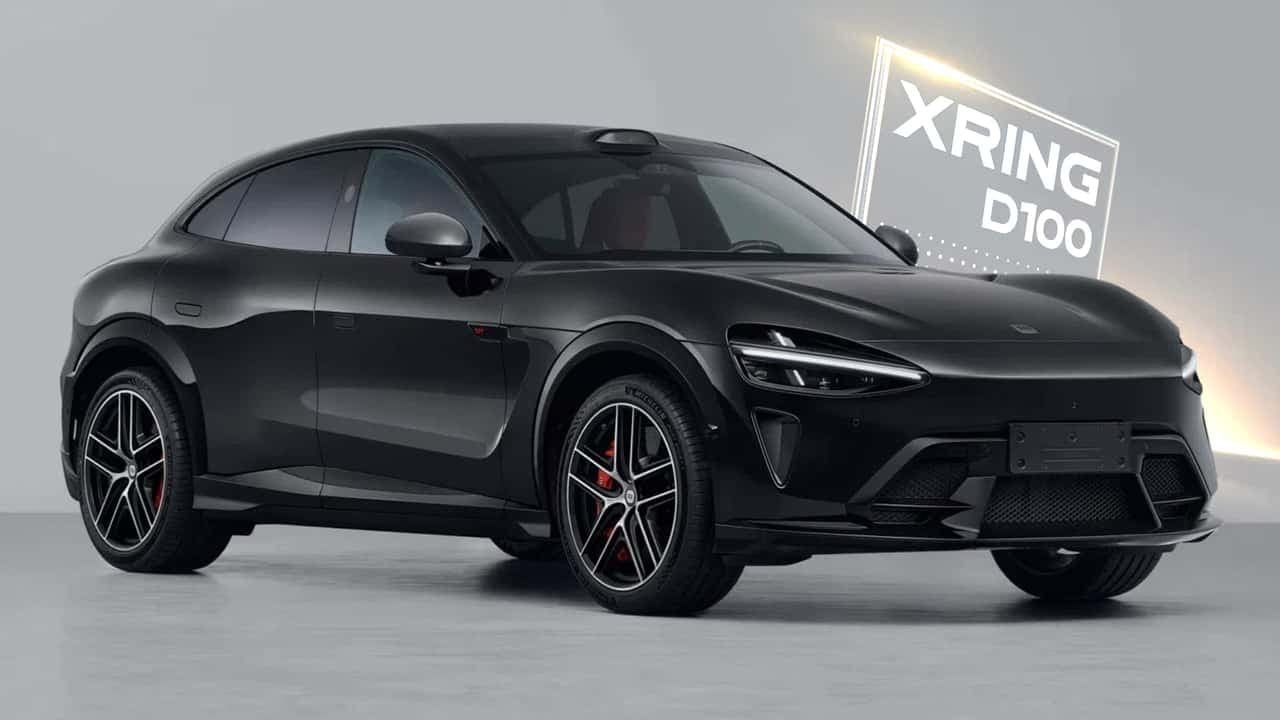
Xiaomi has announced the launch of its first in-house chip, the Xring D100, tailored specifically for enhancing AI and driver-assist systems in its electric vehicles (EVs). This move signals a significant strategic pivot from the company's previous reliance on Nvidia for its hardware needs.
The Xring D100 chip is manufactured using a cutting-edge 3-nanometer production process. It boasts impressive specifications, including a 20-core Central Processing Unit (CPU) and a 16-core Neural Processing Unit (NPU). This chip supports up to 160GB of unified memory, enabling it to run complex AI models directly on the vehicle, potentially revolutionizing onboard processing power for autonomous driving features.
Key Features of the Xring D100
- Advanced Memory Support: The chip can handle up to 160GB of unified memory.
- High-Performance Cores: It features a 20-core CPU and 16-core NPU tailored for AI tasks.
- Manufacturing Process: Built on a 3-nanometer technology, promising energy efficiency and performance.
- Market Independence: A strategic move to reduce reliance on Nvidia, which currently supplies components for Xiaomi's SU7 and YU7 models.
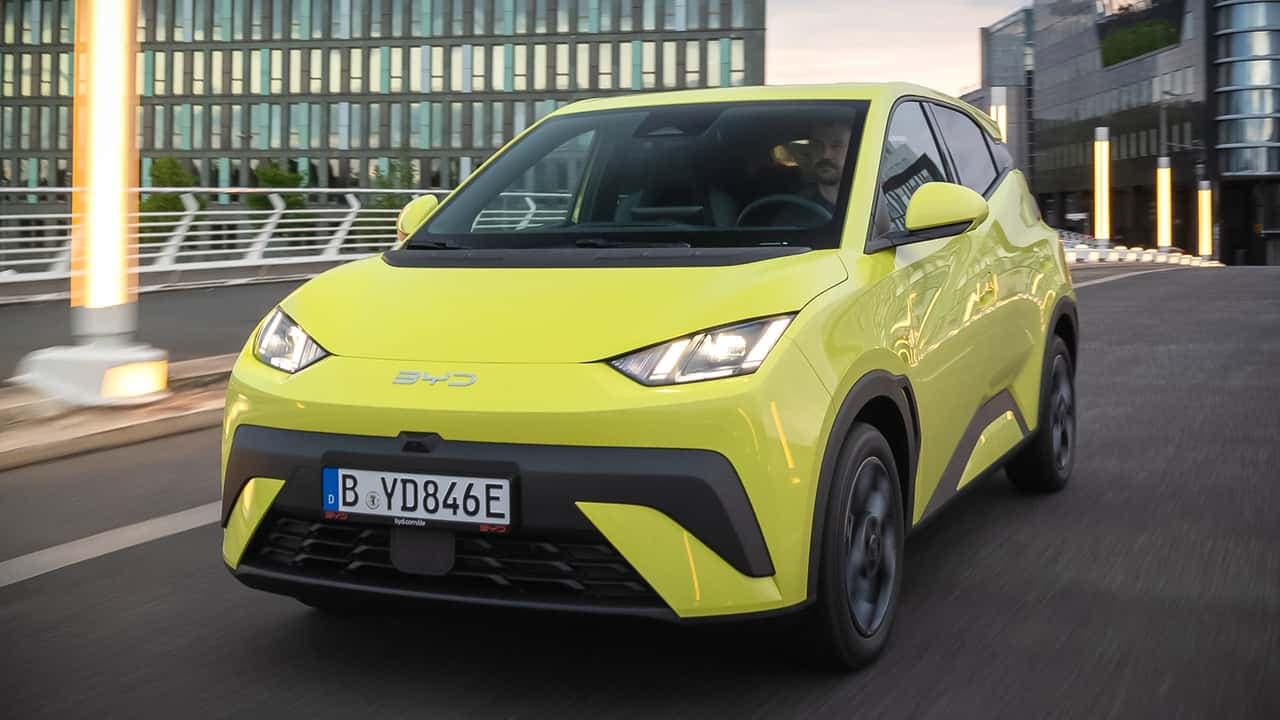
Xiaomi's investment in the development of the Xring D100 exceeds $3 billion, reflecting a broader trend among Chinese automakers. Companies such as BYD and Nio are also developing their own chips amid growing U.S. export restrictions on AI components, emphasizing the need for home-grown technology in the EV sector.
Comparatively, Nvidia's Thor chip features a 14-core processor and supports 128GB of memory. While Xiaomi appears to be setting a competitive benchmark with the D100, specific performance metrics, such as its capability in Trillions of Operations Per Second (TOPS), have yet to be disclosed, leaving industry analysts eager for detailed performance comparisons.