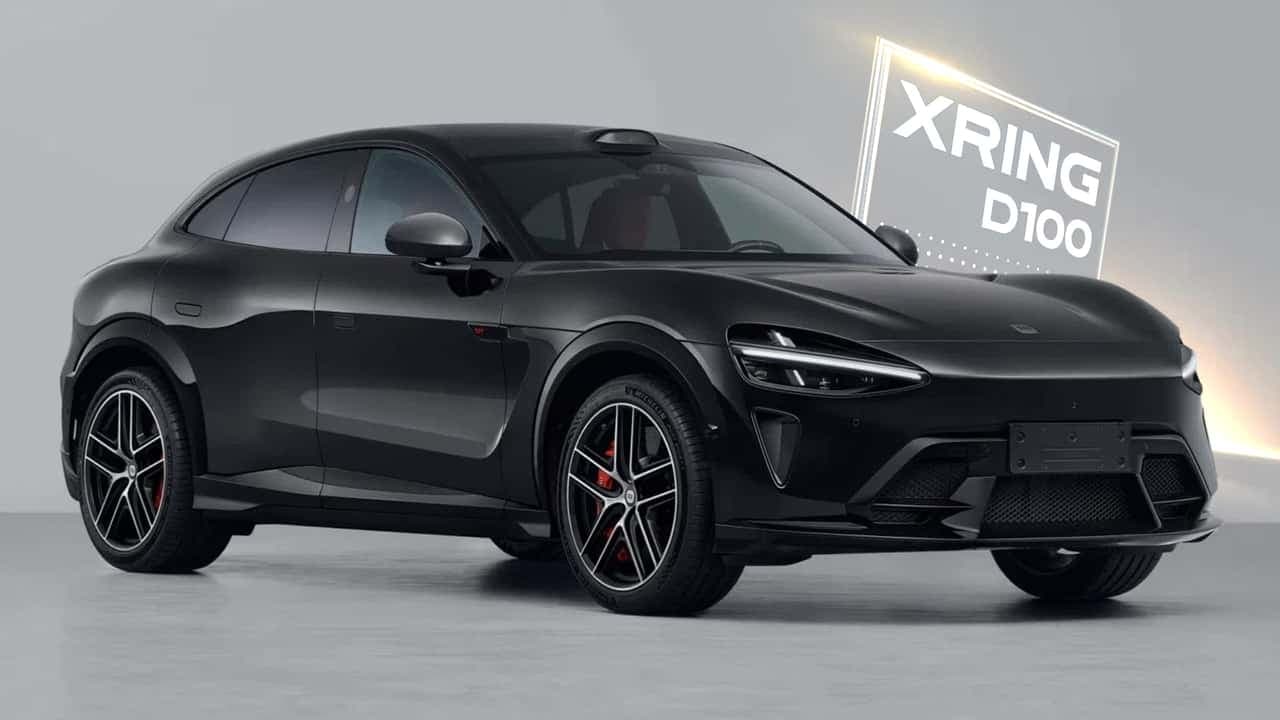
Xiaomi has officially unveiled its first in-house silicon for electric vehicles, the Xring D100 chip. This development signals a critical move away from the company's previous dependence on Nvidia's processors. The D100 is engineered with a robust 20-core CPU and a 16-core NPU, specifically tailored to bolster intelligent driving functionalities.
Key Features
- Manufacturing Process: The Xring D100 is built on a cutting-edge 3-nanometer process.
- Memory Capacity: It supports up to 160GB of unified memory, allowing it to execute extensive AI models directly on the device.
- Investment: Xiaomi has invested over $3 billion into the development of this hardware, encompassing plans for additional chips like the O100 AI chip and O3 SoC for its upcoming 18 Fold smartphone.
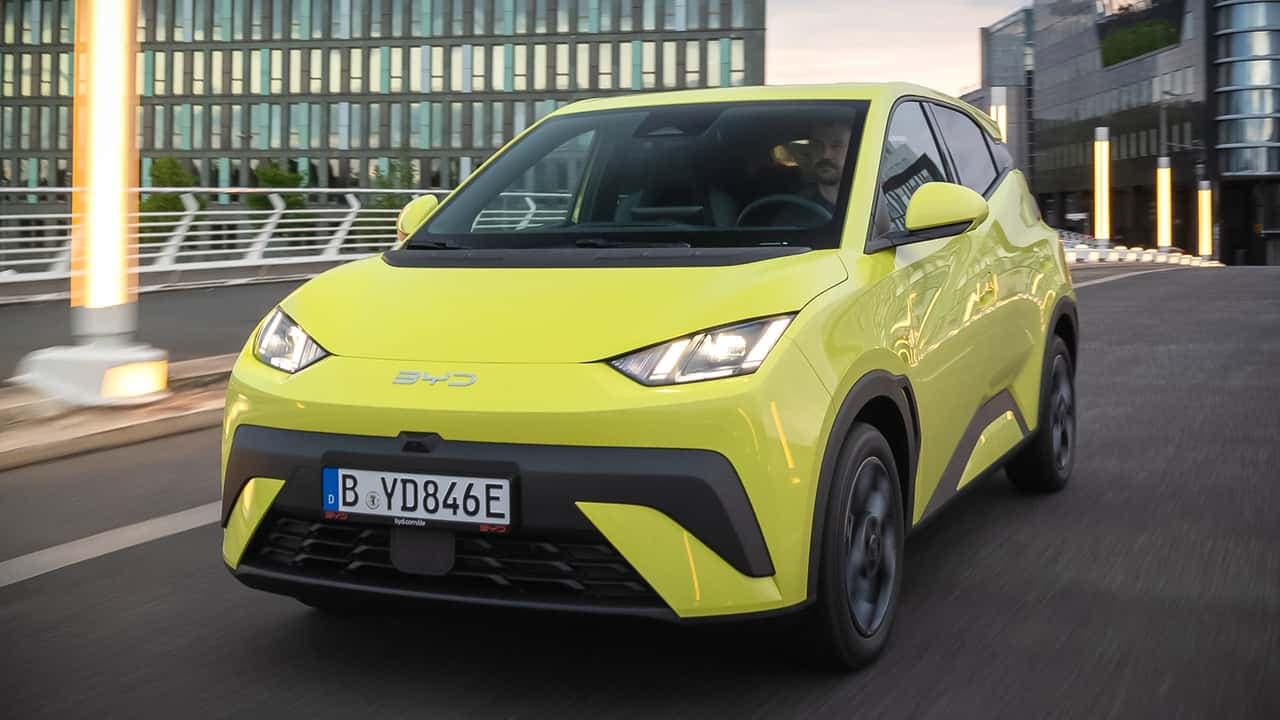
This strategic move aligns Xiaomi with other Chinese electric vehicle manufacturers such as BYD and Nio, who have also been transitioning to self-produced chip solutions. This shift helps mitigate rising costs and supply chain issues stemming from reliance on U.S. chipmakers.
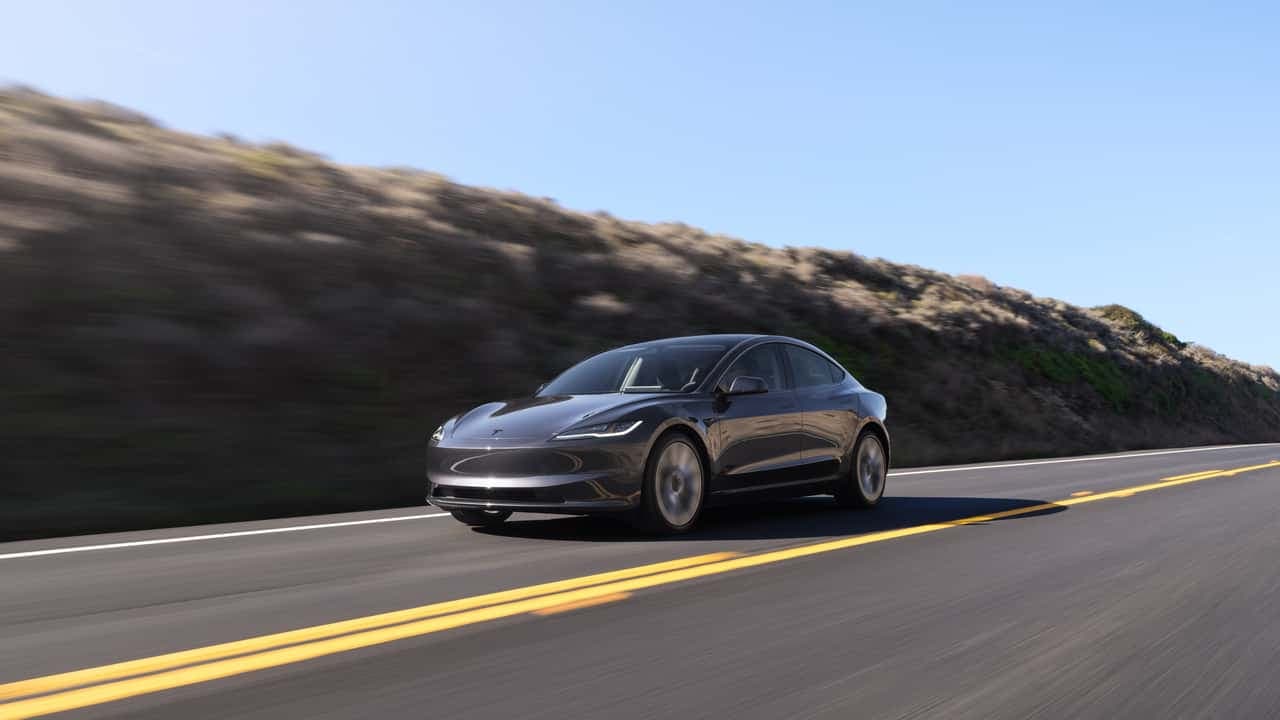
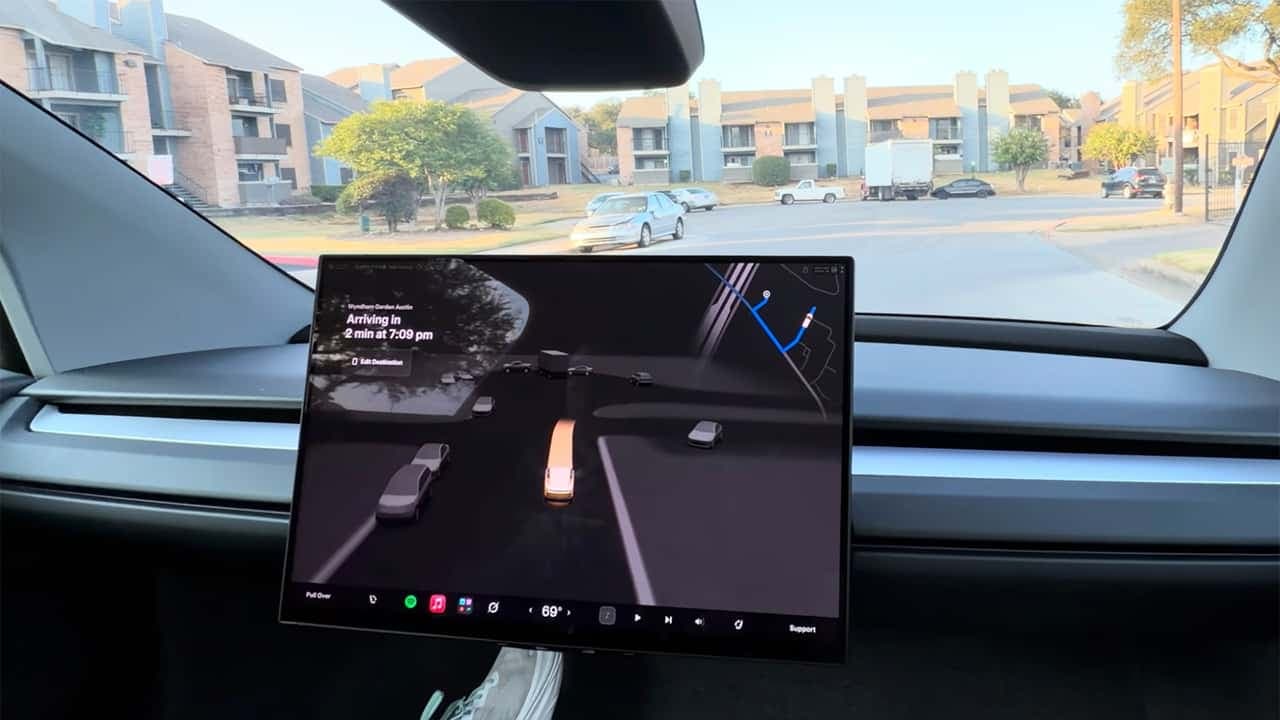
For context, in comparison, Nvidia's current Thor chip features a 14-core processor and supports up to 128GB of memory, while Tesla's Hardware 4 architecture offers 16GB of memory and is progressing towards a 2nm manufacturing process. Xiaomi's entry into the chip market could not only enhance its vehicles' performance but also signify a larger trend among automakers seeking more control over their technology.