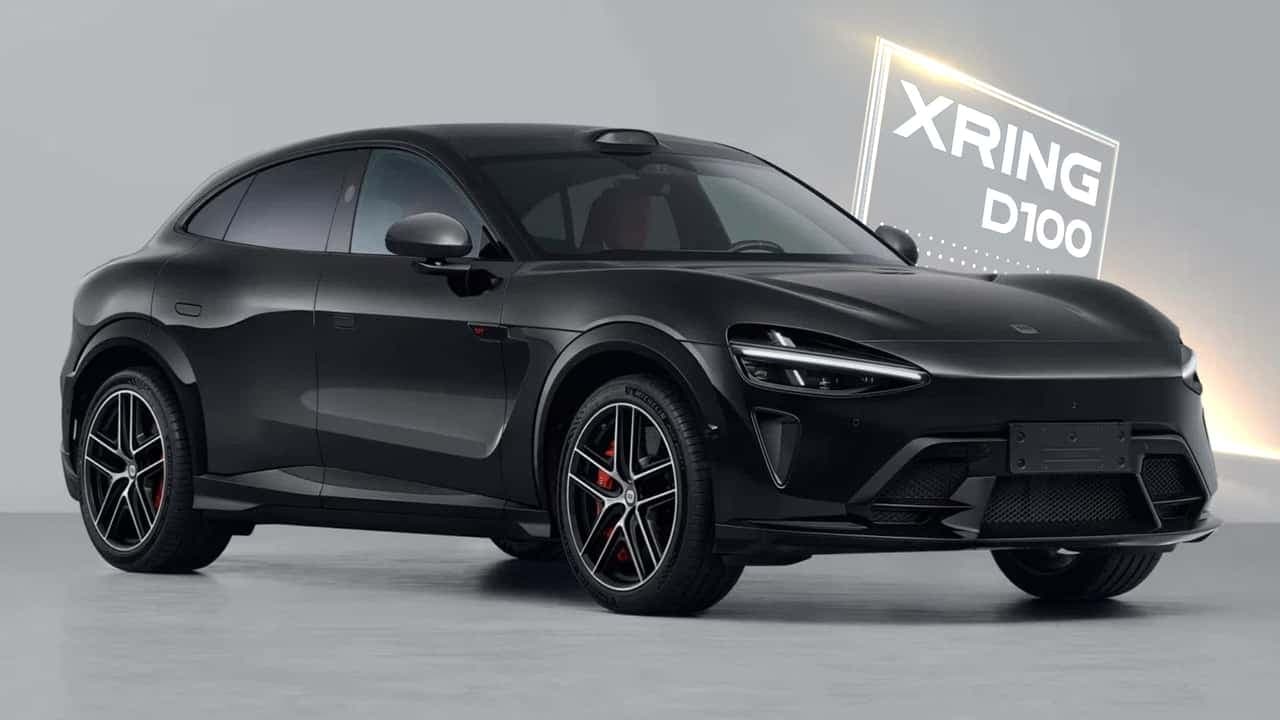
Xiaomi has officially launched its first custom AI chips, the Xring D100, as part of a strategic move to enhance self-driving capabilities in its electric vehicles (EVs). This decision marks a pivotal transition from reliance on Nvidia's hardware, showcasing a growing emphasis on self-sufficiency among Chinese automakers in chip production.
The Xring D100 is designed to significantly boost AI performance within Xiaomi's EV models. Key specifications include:
- 20-core CPU and 16-core NPU: Designed for intensive computation needs.
- 3-nanometer process technology: Enhances efficiency and performance.
- 160GB of unified memory: Supports expansive AI models, aiming to surpass current Nvidia capabilities.
Xiaomi has committed over $3 billion to its chip development initiative. This investment indicates a long-term strategy to lessen dependency on external suppliers, enhancing its technology ecosystem.
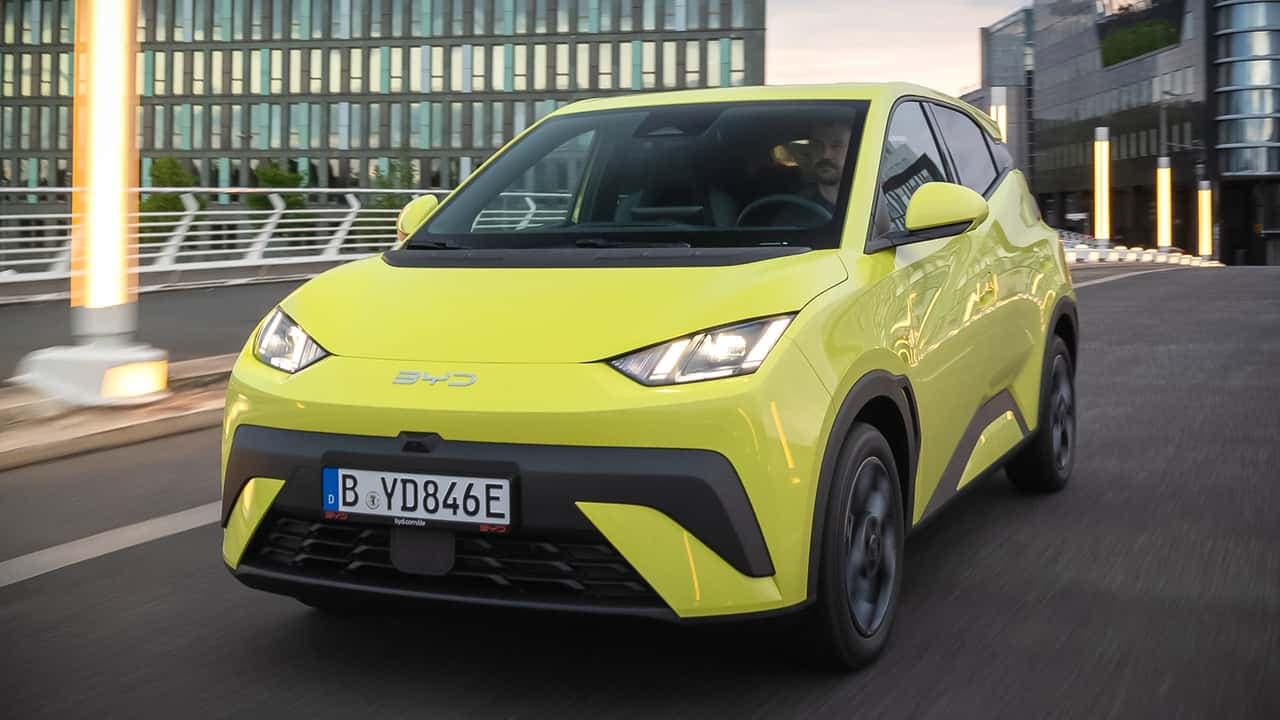
This strategic shift positions Xiaomi alongside competitors like BYD and Nio, who are also exploring in-house chip solutions in response to rising global AI chip costs. The D100 is slated for commercialization starting in 2024 and will be integrated into Xiaomi's upcoming SU7 and YU7 EV models.
Why it matters: The launch of the Xring D100 reflects a broader trend among automakers to develop proprietary technologies. As EV markets become increasingly competitive, self-reliance in chip production will likely become crucial for innovation and cost management.