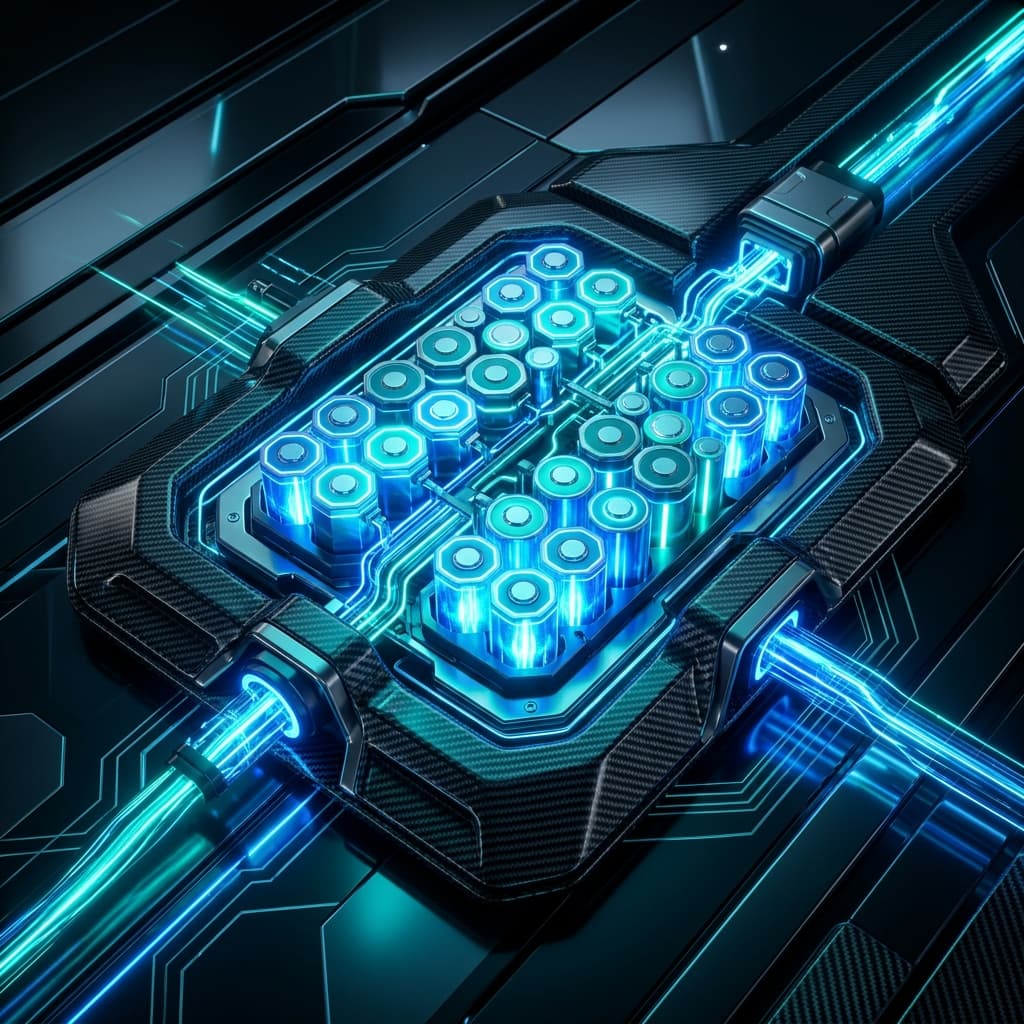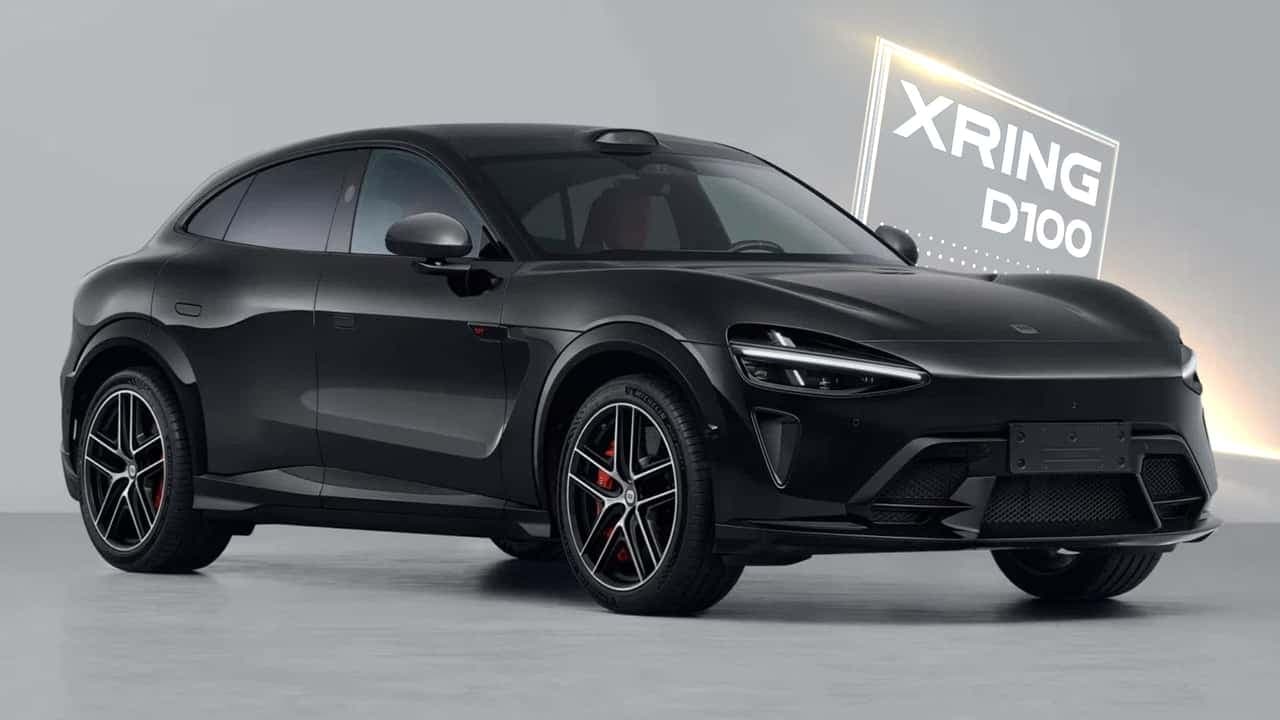
Xiaomi has unveiled its inaugural line of in-house AI chips, prominently featuring the Xring D100. This launch is aimed squarely at bolstering driver-assist technologies within its electric vehicles (EVs). The move signifies a major shift for the company, marking a concerted effort to decrease dependence on U.S.-made components like Nvidia's hardware, a trend increasingly evident among several Chinese EV manufacturers.
Key Features of the Xring D100
- Core Specifications: The Xring D100 chip boasts an impressive 20-core CPU coupled with a 16-core Neural Processing Unit (NPU), significantly enhancing AI processing capabilities tailored for intelligent driving applications.
- Chip Production Technology: This launch represents Xiaomi's first foray into 3-nanometer chip production, enabling superior efficiency. Notably, the D100 can support 160GB of unified memory, surpassing Nvidia's current offerings.
- Investment in Hardware Development: Xiaomi has allocated over $3 billion towards the development of its hardware portfolio, which includes not only the D100 but also the O100 AI acceleration chip, highlighting its long-term commitment to achieving chip supply independence.
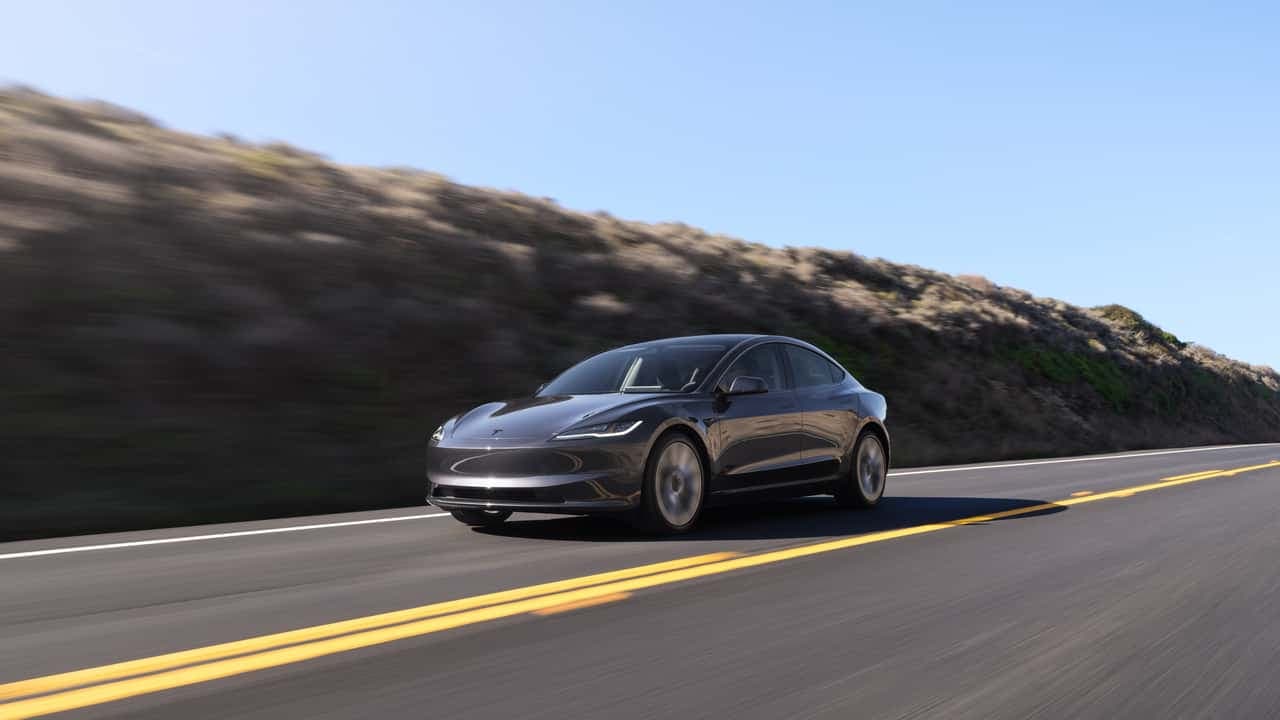
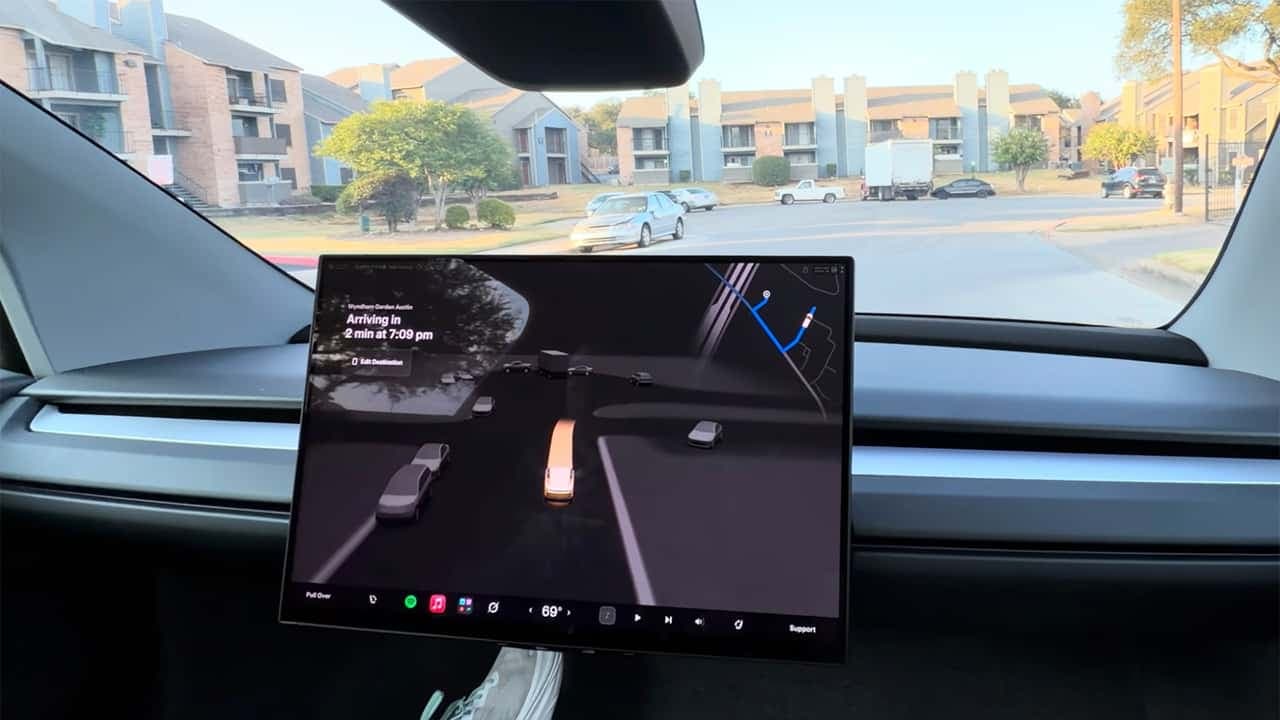
- Comparative Analysis: In comparison, Nvidia’s current Thor hardware utilizes a 14-core processor with a maximum memory capacity of 128GB. Meanwhile, Tesla's Hardware 4 operates on a 16GB memory chip, built on a 7nm process.
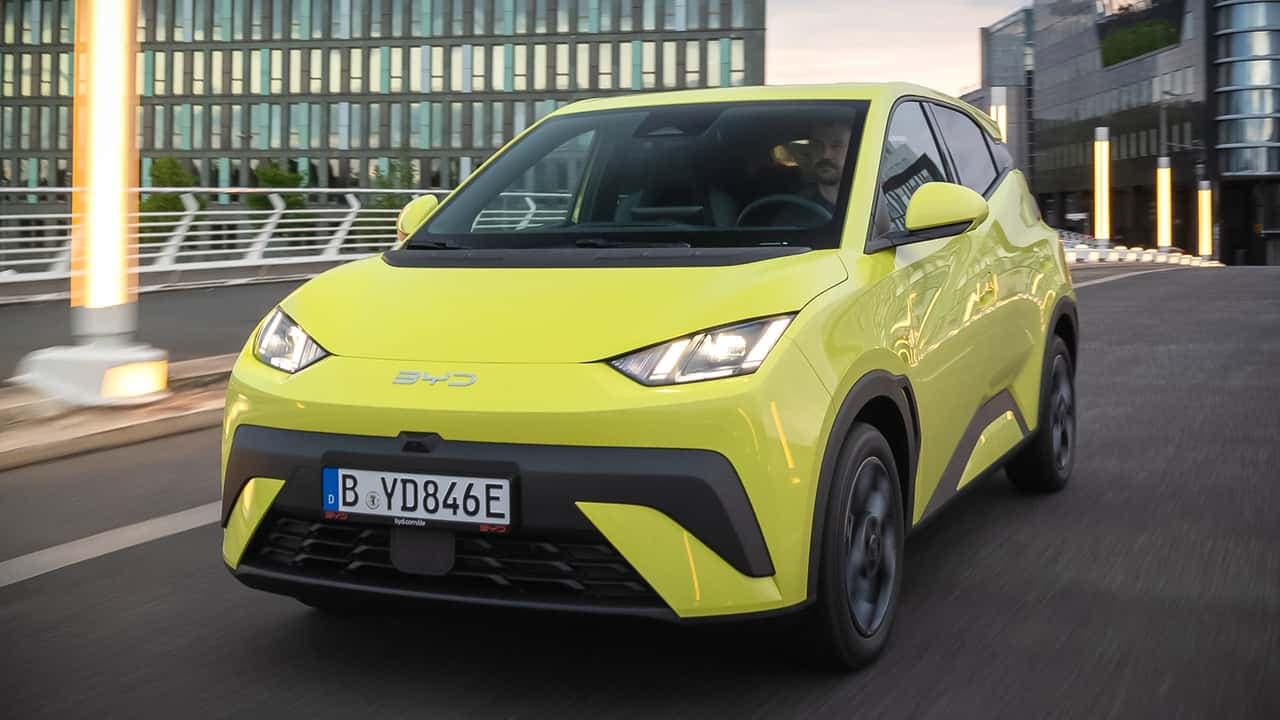
- Industry Context: Other Chinese automakers such as BYD, Nio, and Xpeng are similarly advancing towards in-house chip development, indicating a broader industry trend to secure supply chains against external dependencies.
This strategic pivot by Xiaomi not only signifies a bold step into the semiconductor domain but also positions the company to potentially reshape the landscape of automotive AI technologies.