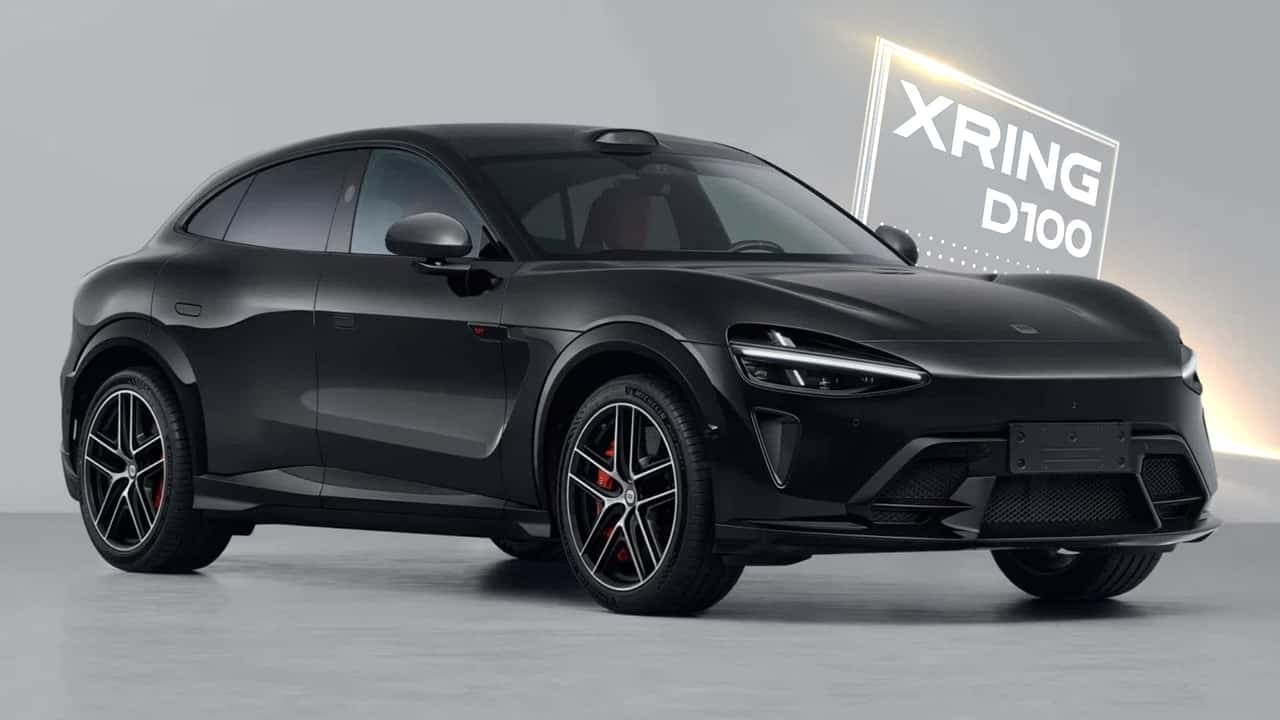
Xiaomi has officially launched its first custom AI chip, the Xring D100, placing the spotlight on its ambitions in the electric vehicle (EV) sector. Designed specifically for driver-assist functionalities, the chip signifies a pivotal shift in strategy as Xiaomi aims to decrease its dependence on Nvidia products.
Key Features of the Xring D100
- The Xring D100 is equipped with a 20-core CPU and a 16-core Neural Processing Unit (NPU), making it highly efficient for AI tasks.
- It is the first chip produced in mainland China utilizing a 3-nanometer fabrication process, which enhances both performance and power efficiency.
- This new chip can support up to 160GB of unified memory, allowing it to run complex AI models directly on the device. This is a notable upgrade over Nvidia's current Thor system, which has a memory limit of 128GB.
- Xiaomi has earmarked over $3 billion for the development of this chip technology, aiming to transition away from U.S. chip dependencies.
- Commercial applications of Xiaomi's automation solutions are expected to roll out next year, highlighting the firm’s commitment to advancing driver-assist tech.
This development is timely, coinciding with growing tensions over semiconductor supply chains. Amid changing market needs and export regulations, Xiaomi and other Chinese manufacturers are increasingly focused on achieving self-sufficiency in chip production.
The unveiling of the Xring D100 not only underscores Xiaomi’s dedication to innovation but also reflects broader shifts in the EV industry as manufacturers seek control over their hardware and technology.