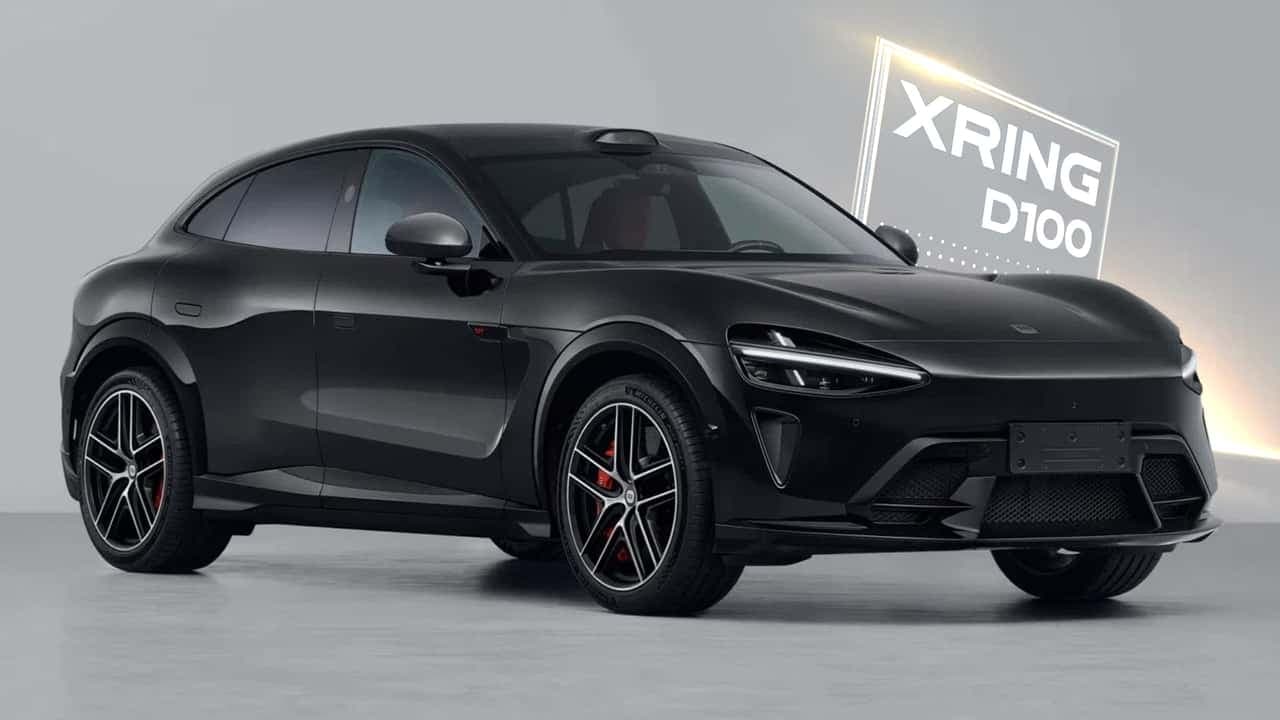
Xiaomi is making strides in the electric vehicle (EV) sector by launching its first custom chip, the Xring D100, specifically designed for intelligent driving and autonomous vehicle applications. This marks a significant shift for the tech giant as it aims to reduce its reliance on external suppliers, notably Nvidia.
Key Features of the Xring D100 Chip
- Architecture: 20-core CPU and 16-core NPU.
- Memory Support: Up to 160GB, enabling the chip to run advanced driver-assistance systems efficiently.
- Manufacturing Process: Built using a 3-nanometer process technology that boosts efficiency and processing density.
- Commercial Launch: Scheduled for deployment in Xiaomi's electric vehicles commencing next year.
The introduction of the Xring D100 is a cornerstone in Xiaomi's strategy to gain greater control over its automotive technology while simultaneously cutting costs. The company has reportedly invested over $3 billion in this hardware development initiative. This move also highlights a trend among Chinese automakers to invest in in-house chip production, distancing themselves from U.S. suppliers.
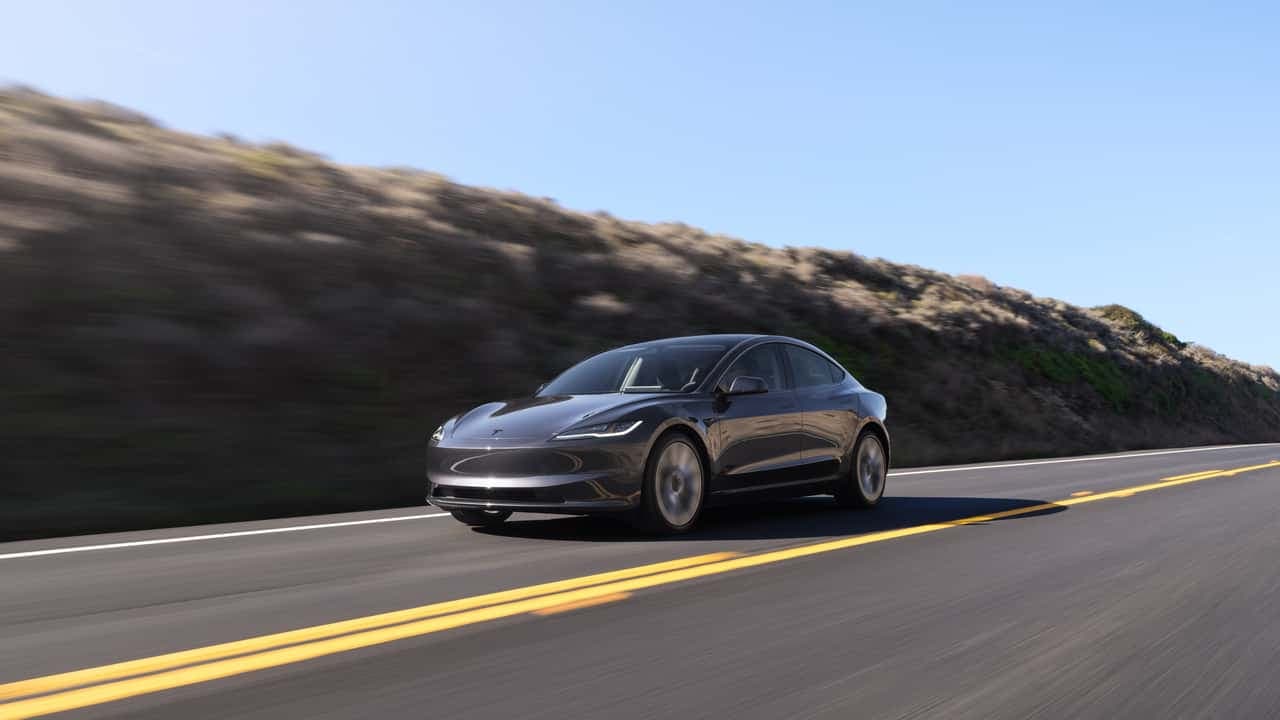
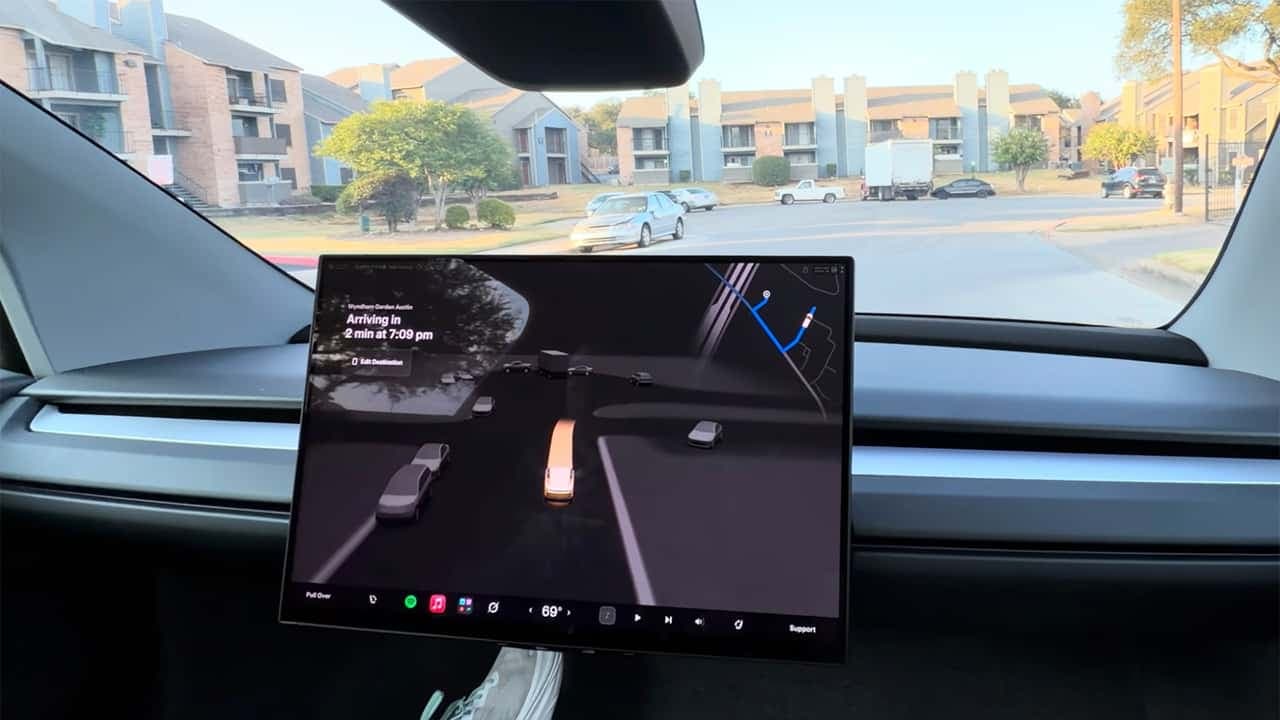
In comparison, Tesla's Hardware 4 chip includes 16GB of memory and is set to be outperformed by its upcoming Hardware 5, which aims to utilize a more efficient 2nm process, allowing for up to 144GB of memory. This competitive landscape underscores the ongoing push for innovation within the EV industry, where performance and cost-efficiency are critical.
Why It Matters
Xiaomi’s foray into chip manufacturing not only signifies a pivotal moment for the company but also reflects broader industry trends where automakers aim for vertical integration. By developing proprietary technology, Xiaomi intends to enhance its products' capabilities while navigating the fluctuating dynamics of global semiconductor supply.