The Path Toward a German Robotaxi Fleet
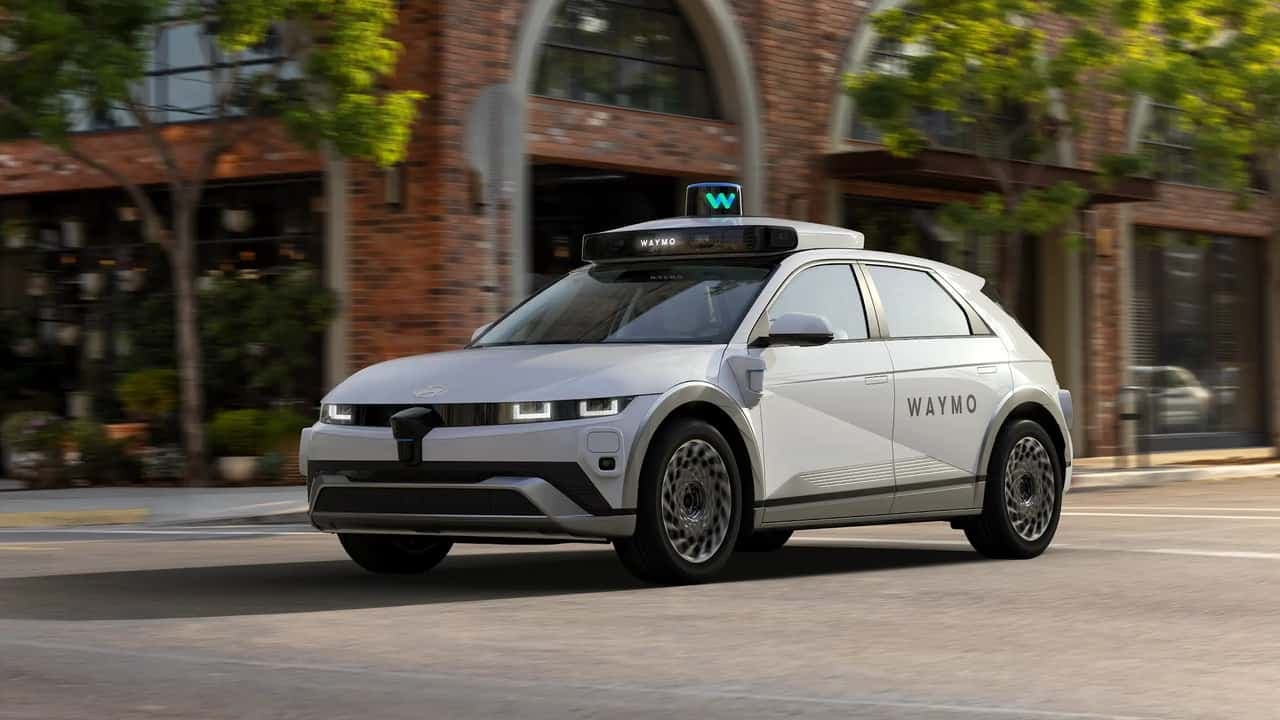
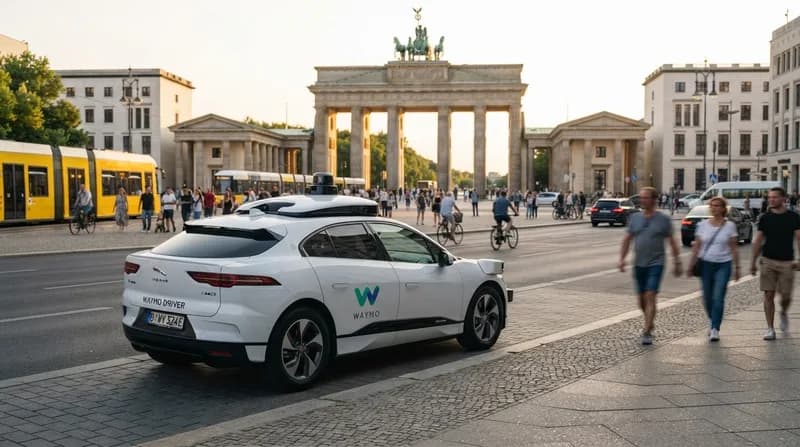
Waymo, the Alphabet-backed pioneer in autonomous mobility, is reportedly making significant strides toward bringing its robotaxi service to Berlin. Following the company’s recent confirmation of its expansion into Munich, internal documents from the Berlin Senate Administration suggest that the German capital is now firmly on the company’s radar. Local reports indicate that the firm has proposed mapping the city using a fleet of up to 50 test vehicles, with the potential for initial trials to commence as early as the end of this year.
While Waymo has maintained a policy of discretion regarding specific future deployments, official sources within the Berlin city administration have characterized discussions as “well advanced.” The local government appears eager to support these efforts, emphasizing a technology-neutral stance and a proactive interest in integrating autonomous transportation solutions into the city's complex urban landscape. If the project proceeds as documented, a commercial launch could mirror the 2027 timeline currently projected for the Munich market.
Regulatory Hurdles and Operational Realities
Entering the German market involves navigating a stringent regulatory framework that differs significantly from the US landscape. To secure a path to commercial operation, Waymo must first obtain a comprehensive Level 4 autonomous driving permit from the German Federal Motor Transport Authority (KBA). Securing this license is a critical milestone, as the KBA maintains rigorous safety standards for driverless technology that have yet to be met by any current operator.
Beyond the technical certification, the company must also navigate the nuances of the German Passenger Transport Act. This legislation, which governs traditional taxis and professional rental services, currently lacks an explicit framework for fully driverless, commercial public transit. Consequently, Waymo is working closely with state authorities to establish a legal path forward. The successful navigation of these bureaucratic requirements will be the final determinant in transforming from a test-mode operator into a ubiquitous, everyday mobility solution for Berlin’s residents.
Why It Matters
- Scaling Ambition: With active service in 14 US cities, Waymo is transitioning from a localized novelty to a global infrastructure provider.
- Regulatory Precedent: Success in Germany would provide a blueprint for how US-based autonomous tech can adapt to the stricter, high-density European regulatory environment.
- Urban Mobility Transformation: The integration of robotaxis into Berlin’s existing public transport network could fundamentally alter how major European capitals address last-mile connectivity and traffic congestion.