E-BUZZ ME Logo
Electric VehiclesTechnical Deep Dive

US Urban Mobility Crossroads: Why Small EVs, Not Faster E-Bikes, Are The Answer

Published
US Urban Mobility Crossroads: Why Small EVs, Not Faster E-Bikes, Are The Answer
2 min read279 words

The Gist

America's approach to electric transportation is at a critical juncture, with experts arguing for a strategic pivot towards practical, small electric vehicles over simply boosting e-bike speeds.

Reimagining Urban Transport: The Small EV Imperative

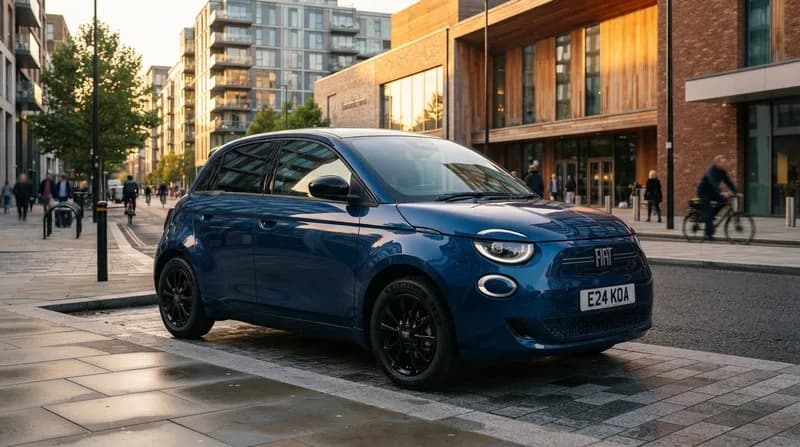
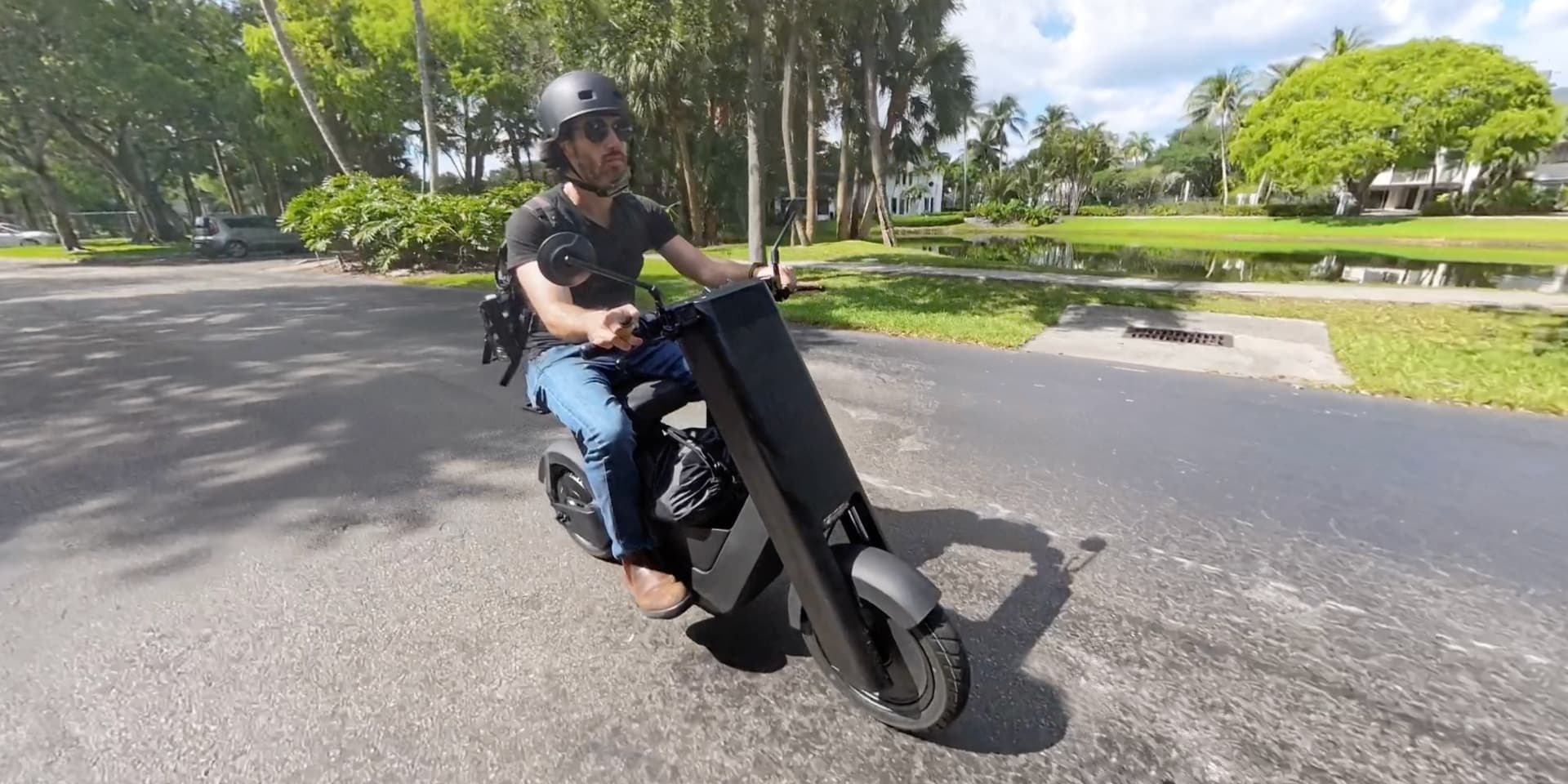
The conversation around electric transportation in the United States is increasingly focused on finding sustainable, efficient solutions for urban environments. While e-bikes have certainly gained traction, a growing consensus suggests that the real need lies in developing and deploying better small electric vehicles, offering a more practical and comprehensive answer to urban mobility challenges.

These compact EVs, often overlooked, hold the potential to revolutionize how Americans navigate congested cityscapes. They offer increased capacity over e-bikes, greater weather protection, and enhanced safety, making them ideal for everything from daily commutes to last-mile deliveries. The shift towards such vehicles could significantly reduce traffic, curb emissions, and alleviate parking woes in dense urban areas, providing a crucial step forward from current transportation paradigms.

The Tesla Robotaxi Example: A Glimpse into Scaling Challenges

A stark illustration of the hurdles facing the deployment of scalable electric transportation solutions comes from Nevada. Tesla's ambition to launch a significant 'Robotaxi' fleet in Las Vegas, proposing an expansive 5,000-vehicle operation, was met with a stringent cap, limiting their deployment to just 10 vehicles. This significant reduction underscores the regulatory, infrastructural, and perhaps even philosophical barriers to integrating new, efficient electric vehicle fleets into existing urban frameworks.

This scenario highlights a fundamental disconnect between innovative EV concepts and the practical realities of their mass adoption. For the US to truly embrace efficient electric transportation, it's not enough to simply develop new technologies; there must also be a clear path for their widespread, impactful deployment. Prioritizing robust infrastructure, clear regulatory frameworks, and public acceptance for small, efficient electric vehicles will be paramount in steering America towards a smarter, greener urban future.
Related Stories

Semantically matched articles, ranked by topic overlap and freshness.

Tesla Recalls Over 2 Million Cars in China
Electric Vehicles

Tesla Recalls Over 2 Million Cars in China

Tesla has issued a massive recall of over 2 million cars in China to enhance safety features. The recall aims to add driver monitoring to the vehicles, further solidifying the company's commitment to safety.

Ebusco Receives €6 Million Investment from Rhein Holding
Electric Vehicles

Ebusco Receives €6 Million Investment from Rhein Holding

Ebusco, a struggling e-bus manufacturer, has secured a €6 million investment from existing shareholder Rhein Holding, providing a much-needed short-term liquidity boost. The company is also pursuing additional financing and exploring strategic solutions, including a potential sale or joint venture, to ensure its long-term viability.

Voyah Passion S Defies Gravity in Daring Tunnel Stunt
Electric Vehicles

Voyah Passion S Defies Gravity in Daring Tunnel Stunt

Voyah's new eSUV, the Passion S, has completed a spectacular marketing stunt by driving upside-down in a tunnel, showcasing its capabilities. The vehicle features 800-volt technology, a range of up to 740 km, and competitive pricing for the Chinese market.

US Pioneers New Frontier in Grid Battery Safety with First-of-its-Kind Factory
Electric Vehicles

US Pioneers New Frontier in Grid Battery Safety with First-of-its-Kind Factory

A groundbreaking US factory is set to revolutionize grid energy storage by focusing on enhanced battery safety, promising a more reliable and efficient power infrastructure.

Xiaomi's EV Division Posts 2.6 Billion Yuan Loss in Q2 2026
Electric Vehicles

Xiaomi's EV Division Posts 2.6 Billion Yuan Loss in Q2 2026

Xiaomi's EV division recorded an operating loss of 2.6 billion yuan in Q2 2026, despite a 17.1% increase in revenue compared to the same quarter last year. The company's EV business alone accounted for 23.9 billion yuan, marking a 15.9% year-on-year increase, but the division remains unprofitable due to higher costs and lower gross margins.

Nevada Greenlights Thousands of Robotaxis for Tesla, Uber, and Waymo
Electric Vehicles

Nevada Greenlights Thousands of Robotaxis for Tesla, Uber, and Waymo

The Nevada transportation authority has approved Tesla, Uber, and Waymo to operate up to 8,000 robotaxis in Clark County, including Las Vegas. Tesla alone has been approved for up to 5,000 vehicles, with deployment expected within the next twelve months.

Hypercharge Launches Home Charging Rewards Programme
Electric Vehicles

Hypercharge Launches Home Charging Rewards Programme

Hypercharge, a Canadian EV charging firm, has introduced a new home charging programme called Home Club, offering eligible drivers a free Level 2 charger in exchange for participating in a reward scheme. The programme provides installation support and rewards participants with incentives for their home charging sessions.

Walmart's 400 kW EV Charging Network Expands to 100 Stores
Electric Vehicles

Walmart's 400 kW EV Charging Network Expands to 100 Stores

Walmart has reached a milestone in its electric vehicle charging network, with 400 kW charging stations now available at 100 stores. This expansion aims to provide fast and convenient charging options for EV owners across the country.