E-BUZZ ME Logo
Electric VehiclesTechnical Deep Dive

Turning Plastic Waste into EV Power: Researchers Convert PET Bottles to Battery Graphite

Published
Turning Plastic Waste into EV Power: Researchers Convert PET Bottles to Battery Graphite
1 min read183 words

The Gist

A new process developed at Penn State University could transform recycled beverage bottles into high-quality anode material for lithium-ion batteries.

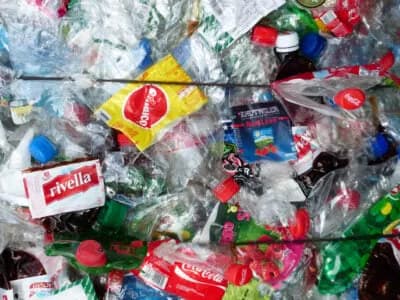
Researchers at Penn State University have unveiled a potential breakthrough in sustainable battery manufacturing by developing a method to convert polyethylene terephthalate (PET) plastic into synthetic graphite. This innovation addresses two critical environmental challenges: the mounting crisis of plastic waste and the surging demand for battery-grade graphite in the electric vehicle (EV) sector.

A Dual-Purpose Solution

The process targets PET, a common material used in single-use beverage bottles. By transforming this waste into high-quality synthetic graphite, the researchers claim the material can serve as an effective anode for lithium-ion batteries. Currently, graphite is a primary component in EV batteries, and sourcing it often involves carbon-intensive mining or expensive synthetic production.

Scaling for the Future

According to the research team, this conversion process could significantly reduce the environmental footprint of battery production. By utilizing recycled plastic as a precursor, the industry could secure a more circular supply chain, meeting the technical requirements for modern EVs while simultaneously diverting millions of tons of plastic from landfills and oceans. While still in the development phase, the technology represents a promising step toward greener energy storage solutions.

Related Stories

Semantically matched articles, ranked by topic overlap and freshness.

Breakthrough Fluoride-Free Gel Could Regrow Damaged Tooth Enamel
Science66%

Breakthrough Fluoride-Free Gel Could Regrow Damaged Tooth Enamel

Researchers have developed a protein-inspired gel that mimics natural tooth formation to repair microscopic cracks and rebuild enamel.

GAC Aion S Faces Scrutiny Over High-Mileage Battery Degradation
Electric Vehicles66%

GAC Aion S Faces Scrutiny Over High-Mileage Battery Degradation

GAC Aion and battery supplier CALB are implementing extended warranties and service measures following reports of LFP cell issues in high-mileage electric vehicles.

BC Hydro Announces C$700 Million Expansion to Triple Charging Network by 2035
Electric Vehicles64%

BC Hydro Announces C$700 Million Expansion to Triple Charging Network by 2035

British Columbia's utility giant is set to invest C$700 million to reach 3,500 public charging ports, introducing faster speeds and larger charging hubs.

Ford to Integrate Apple Maps for Next-Generation EV Navigation
Electric Vehicles64%

Ford to Integrate Apple Maps for Next-Generation EV Navigation

Ford is pivoting its software strategy by adopting Apple Maps as the primary navigation tool for its upcoming affordable electric truck.

Predictable Antarctic Ice Loss Offers Decades for Sea Level Preparation
Science64%

Predictable Antarctic Ice Loss Offers Decades for Sea Level Preparation

New research suggests that Antarctic ice retreat may remain predictable through 2050, giving governments a critical window to implement coastal defenses.

BillionE to Deploy 150 Heavy-Duty Electric Trucks for JK Cement in India
Electric Vehicles63%

BillionE to Deploy 150 Heavy-Duty Electric Trucks for JK Cement in India

Indian e-mobility platform BillionE has secured a major contract to electrify JK Cement's logistics fleet with over 150 heavy-duty trucks.

Next-Generation Chevrolet Equinox EV Slated for 2028 Debut
Electric Vehicles63%

Next-Generation Chevrolet Equinox EV Slated for 2028 Debut

General Motors is reportedly preparing a major overhaul for the Chevy Equinox EV, introducing a brand-new architecture by 2028.

Global Shift to Healthier Diets Could Slash Farm Emissions by 85%
Science62%

Global Shift to Healthier Diets Could Slash Farm Emissions by 85%

A transition toward more nutritious food choices could revolutionize global agriculture and significantly reduce the environmental impact of livestock farming by 2050.