The Mechanics of Sensory Suppression
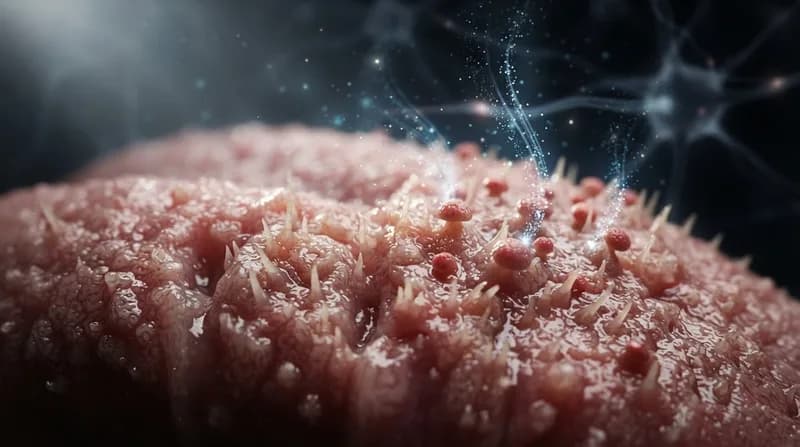
For decades, scientists have grappled with the complex question of how our gustatory system manages the sensory overload of a mixed-flavor meal. A groundbreaking study recently published in the Journal of Neuroscience by researchers at the University of Miami Miller School of Medicine sheds new light on this process, revealing that the human tongue—or at least the mammalian tongue—acts as more than just a passive receptor. It functions as a sophisticated data processor that filters information before it is ever sent to the brain.
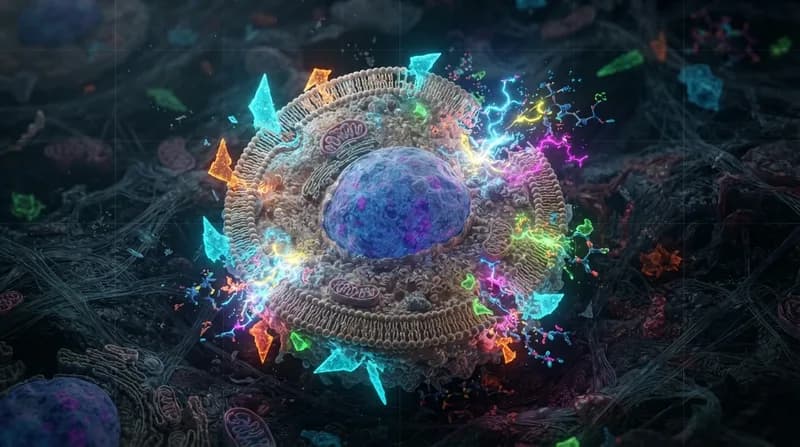
Through a series of controlled experiments on mice, the research team discovered that sourness functions as a dominant sensory signal. When a taste bud encounters a mixture, the sour-responsive cells actively suppress the signals associated with sweetness, bitterness, and saltiness. This isn't merely a cognitive interpretation occurring in the brain; the suppression takes place within the taste bud itself, effectively 'cleaning' the data signal before it travels along the neural pathway.
The Role of Serotonin
Central to this process is the neurotransmitter serotonin. The study identified that sour-responsive cells release serotonin within the taste bud cluster, acting as a chemical mediator that dampens the sensitivity of neighboring cells responsible for detecting other taste profiles. By manipulating these serotonin levels in the lab, researchers were able to dial the suppression effect up or down, confirming that this neurochemical interaction is the primary mechanism behind why sourness so often overpowers other flavors.
This discovery challenges the traditional view that the brain is solely responsible for flavor integration. Instead, the tongue acts as a primary filter, categorizing sensory inputs into broad, binary bins: those associated with pleasant sensations and those associated with unpleasant ones. This binary classification system provides a streamlined, survival-oriented approach to gustation, allowing the organism to react rapidly to potential threats or nutritional rewards.
Why It Matters
- Beyond Taste Perception: This research demonstrates that peripheral sensory organs are capable of complex signal manipulation.
- Neural Classification: The findings support a 'dual-group' theory of neural processing where taste signals are pre-sorted into 'pleasant' vs 'unpleasant' categories.
- Future Applications: By understanding the 'genetic signatures' of these neurons, scientists may one day develop methods to manipulate taste perception, potentially helping those with specific dietary restrictions or sensory processing disorders.
Ultimately, this research reframes our understanding of flavor as a highly structured, hierarchical process. Rather than an egalitarian mix of inputs, our taste buds prioritize certain signals over others, ensuring that the brain receives a refined—if somewhat biased—version of reality. As the team moves forward, the focus will shift toward identifying the genetic components of these specific neuron clusters, which could unlock new ways to influence human taste sensitivity.