E-BUZZ ME Logo
ScienceTechnical Deep Dive

The Physics of Lugworm Waste: Nature Imitating Art

Published
The Physics of Lugworm Waste: Nature Imitating Art
1 min read156 words

The Gist

A recent study explores the surprising fluid dynamics and physical mechanics behind the lugworm's waste production, which remarkably mirrors a familiar digital icon.

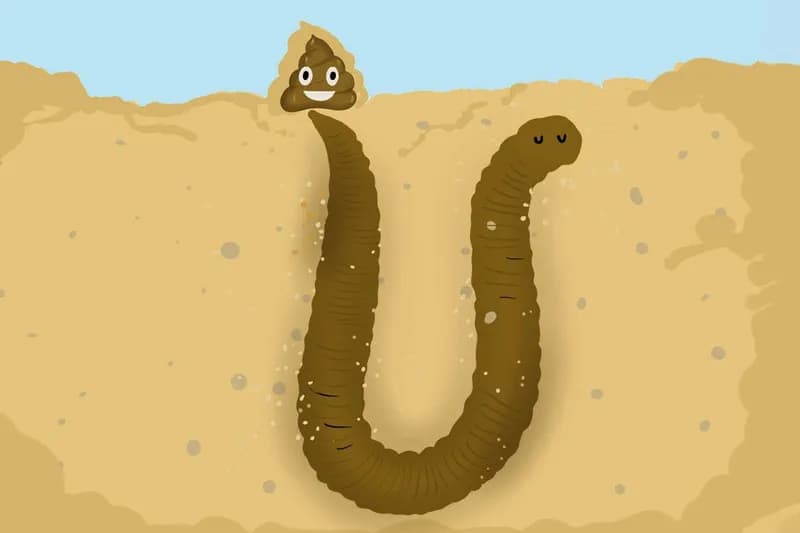
In a fascinating intersection of marine biology and fluid physics, researchers have taken a detailed look at the waste production of the lugworm. This common coastal inhabitant has gained scientific attention for its ability to produce waste that bears a striking resemblance to the standardized 'poop emoji' used in digital communication.

Mechanical Precision Underground

While the visual similarity might seem like a mere coincidence, the study suggests that the specific spiral shape is a result of complex mechanical processes. The lugworm, which lives in U-shaped burrows in the sand, manages to create these distinctively coiled structures even while positioned upside down within its habitat.

This research highlights how the physical properties of biological waste are influenced by the anatomy of the animal and the environment it inhabits. By studying these patterns, scientists can better understand the movement of nutrients and sediment within coastal ecosystems, proving that even the most mundane biological functions have intricate physical foundations.


Related Stories

Semantically matched articles, ranked by topic overlap and freshness.

The Physics Behind the Snap: Understanding the Venus Flytrap
Science63%

The Physics Behind the Snap: Understanding the Venus Flytrap

New research delves into the complex physics that allows the Venus flytrap to snap shut with incredible speed to capture its prey.

John Bell and the Legacy of the Journal 'Physics'
Science63%

John Bell and the Legacy of the Journal 'Physics'

A look back at the short-lived journal where John Bell published his ground-breaking theorem, forever changing our understanding of quantum mechanics.

GPS Satellite Network Provides Two Decades of Space Radiation Data
Science61%

GPS Satellite Network Provides Two Decades of Space Radiation Data

A massive cross-calibration effort involving 25 GPS satellites has unlocked twenty years of continuous space radiation tracking.

New Giant Salamander Species Identified from 3.5-Million-Year-Old Japanese Fossils
Science60%

New Giant Salamander Species Identified from 3.5-Million-Year-Old Japanese Fossils

Researchers have identified a new genus and species of giant salamander, Limnospondylus ajimuensis, from fossils originally discovered over two decades ago.

Self-Repairing Bio-Textiles: Scientists Create Clothing From Living Fungi
Science59%

Self-Repairing Bio-Textiles: Scientists Create Clothing From Living Fungi

Researchers have developed a revolutionary biodegradable textile using the parasitic fungus Cordyceps militaris that can clean and repair itself.

The Future of Open Access: Navigating Structural Challenges and AI Integration
Science59%

The Future of Open Access: Navigating Structural Challenges and AI Integration

As the scientific community pushes for an open-access future, experts warn that systemic issues and the rise of AI must be addressed to ensure sustainability.

BOFH: Navigating the Tactics of a Veteran Printer Engineer
Tech & Gadgets58%

BOFH: Navigating the Tactics of a Veteran Printer Engineer

When an expert printer technician meets a seasoned systems administrator, a battle of technical wits and industry shortcuts ensues.

AI Aids Stanford Researchers in Discovering Natural Weight Loss Molecule
Science57%

AI Aids Stanford Researchers in Discovering Natural Weight Loss Molecule

Stanford scientists have identified a natural molecule that mimics the weight-loss effects of Ozempic with fewer side effects by targeting specific brain regions.