The Hidden Chemistry of a Clean Home
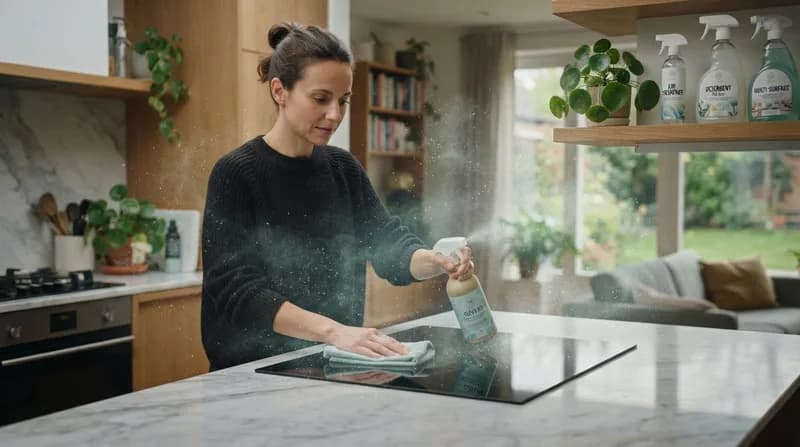
For many, the scent of lemon, pine, or lavender is synonymous with a clean living space. However, recent findings presented at the American Chemical Society symposium suggest that these pleasant aromas may come at a hidden cost to respiratory health. Researchers at Purdue University, led by Assistant Professor Brandon Boor, have identified that the volatile compounds responsible for these fragrances react rapidly with indoor ozone to generate a massive surge of invisible nanoparticles.
These particles are not merely dust or vapor; they are ultrafine aerosols measuring between 1 and 30 nanometers. Because of their incredibly small size, they easily bypass natural airway filters and settle deep within the lungs, potentially triggering inflammation. The research indicates that the concentration of these particles generated during a typical cleaning session can exceed the levels of particulate matter one might inhale while standing next to a busy, high-traffic road.
The Role of Terpenes and Indoor Ozone
The core of the issue lies in a class of chemical compounds known as terpenes—substances like pinene, limonene, and linalool found in both conventional chemical cleaners and natural botanical essential oils. While these chemicals exist in nature, their concentrations indoors during a cleaning routine can be tens or hundreds of times higher than those found in a forest.
When these terpenes are released into the air, they encounter indoor ozone—a common byproduct of outdoor air infiltration or specific indoor devices like germicidal far-UV (UV-C) lamps. The resulting reaction is near-instantaneous. Within just minutes of spraying a cleaner or mopping a floor, the chemical transformation creates billions, sometimes trillions, of nanoparticles. Because the process is so rapid, the pollution is often present and inhaled by the time a person finishes their chores, despite the absence of any visible haze or smoke.
Why it Matters: Mitigating Exposure
Understanding this atmospheric chemistry is vital for maintaining healthy indoor environments. While the research highlights a significant public health concern, the experts emphasize that the goal is not to stop cleaning, but to change how we go about it. Since these products are essential for removing viruses and bacteria from surfaces, the focus shifts to smarter application and better ventilation practices.
- Switch Products: Prioritize the use of fragrance-free or low-fragrance cleaning agents to minimize the release of reactive terpenes.
- Ventilate Aggressively: Always ensure windows are open or high-capacity exhaust fans are running when cleaning to disperse volatile organic compounds.
- Avoid Layering: Refrain from using multiple scented products simultaneously, which can exacerbate the concentration of chemicals in the air.
- Manage Technology: Never operate ozone-generating equipment, such as UV-C air purifiers, while simultaneously using scented cleaning supplies.
By shifting our perspective on what "clean" air should smell like—ideally, like nothing at all—consumers can significantly reduce their exposure to these harmful, secondary pollutants. This research serves as a critical reminder that while indoor spaces are often treated as safe havens, the chemicals we introduce to maintain them can have complex, lasting impacts on our long-term health.