The Rise of the Hybrid Market
The landscape of the American automotive industry is shifting. According to the latest data from Cox Automotive, hybrid vehicles have secured a record-breaking 16.3% share of the U.S. market as of the second quarter of 2026. This surge suggests that while pure electric vehicles continue to make headlines, the American consumer is increasingly opting for the "middle ground" of hybridization. For many, hybrids offer the perfect entry point into electrification, providing improved fuel efficiency and lower emissions without the range anxiety or lifestyle adjustments often associated with full battery-electric vehicle ownership.
Several factors are driving this trend. Beyond the general warming to electrification, high fuel prices and a growing, albeit still developing, charging infrastructure have motivated buyers to look for smarter powertrain solutions. By integrating hybrid technology into popular, high-volume models, manufacturers are successfully converting loyal gas-engine buyers into hybrid adopters.
1. Toyota: The Reigning Hybrid Titan
Despite a slight dip in total market dominance, Toyota remains the undisputed leader in the space, currently commanding 44% of the U.S. hybrid market. The brand's strategy has been aggressive and highly effective: rather than offering hybrid versions as an optional trim, Toyota has pivoted to make key staples like the Camry and the RAV4 exclusively hybrid. By removing the gas-only option for these best-selling vehicles, Toyota has effectively funneled the vast majority of its massive customer base directly into its hybrid ecosystem.
The Prius remains the hallmark of the brand, but the real power of Toyota's current position lies in the electrification of the daily commuter vehicle. This transition forces buyers into a more efficient driving profile, cementing Toyota's legacy as the primary architect of the modern hybrid movement while forcing competitors to scramble to keep up.
2. Kia’s Explosive Growth
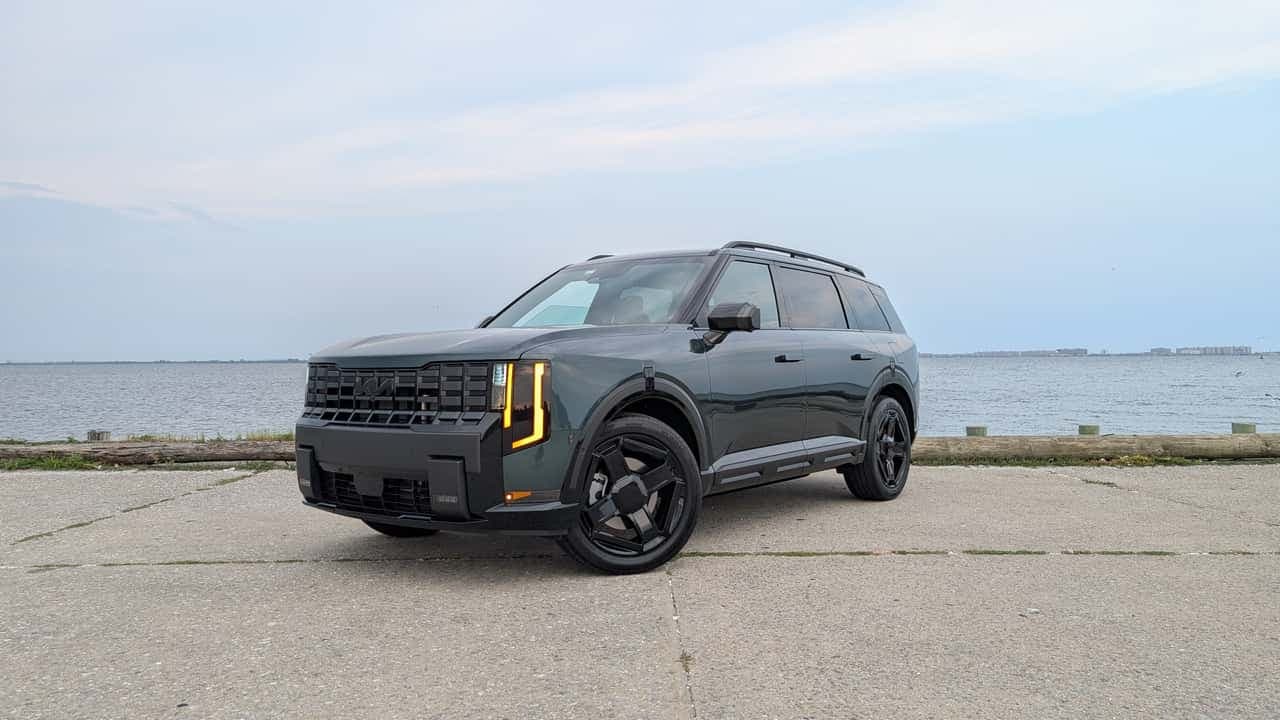
While Toyota dominates in sheer volume, Kia is currently the industry’s most aggressive challenger, posting a staggering 130% year-over-year growth in hybrid sales as of Q3. Currently holding a 9% market share, Kia’s rapid ascent is largely credited to a smarter product strategy that prioritizes value and utility in segments that matter most to families.
The catalyst for this growth was the launch of the new Telluride Hybrid. By applying electrification to one of the most successful midsize SUVs in the American market, Kia has created a vehicle that offers compelling fuel economy without compromising the space or capabilities that made the Telluride a household name. Industry analysts expect this momentum to continue, as Kia positions its hybrid lineup as a premium, high-value alternative to the more established players.
3. Subaru’s Strategic Pivot
Subaru represents a fascinating case study in rapid market entry, recording a massive 140% year-over-year improvement in hybrid performance. This jump is particularly impressive given that the brand essentially started from zero in 2024. By launching hybrid iterations of its core fleet, specifically the Forester and the Crosstrek, Subaru has successfully tapped into its dedicated base of outdoor-focused drivers who demand utility and efficiency.
The brand's future roadmap includes the introduction of "Wilderness" hybrid variants, designed to appeal to consumers who want to minimize their carbon footprint while exploring off-road terrain. This strategy allows Subaru to bridge the gap between rugged adventure and modern environmental responsibility, ensuring the brand stays competitive as more shoppers demand electrified options for their weekend excursions.
Why It Matters
- Consumer Preference: Buyers are increasingly prioritizing the convenience of hybrids for long-distance family travel.
- Market Diversity: The hybrid market is no longer a monopoly; it is now a competitive arena with multiple brands vying for dominance.
- Economic Drivers: Volatile fuel costs continue to act as a catalyst for hybrid adoption, far outweighing the impact of government mandates in recent quarters.