A Major Shift in French Charging Infrastructure
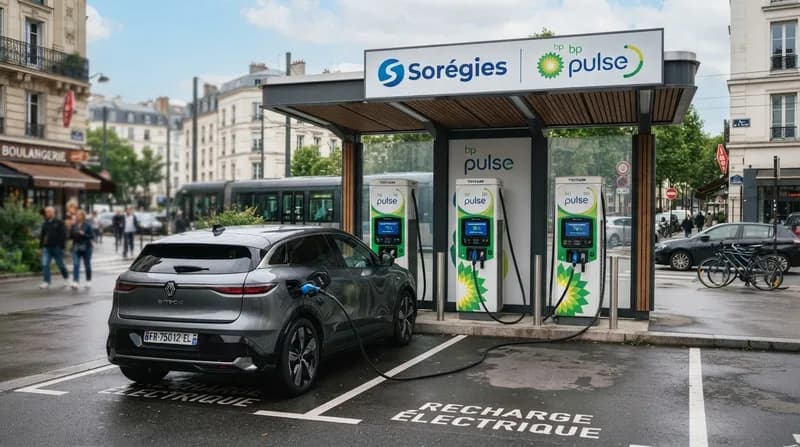
In a move that signals a significant consolidation of France's electric vehicle infrastructure, Poitiers-based energy supplier Sorégies has announced the acquisition of the BP Pulse fast-charging network. This strategic buyout effectively accelerates Sorégies’ transition from a regional utility provider to a formidable player on the national stage, bringing an extensive array of high-power charging assets under its control.
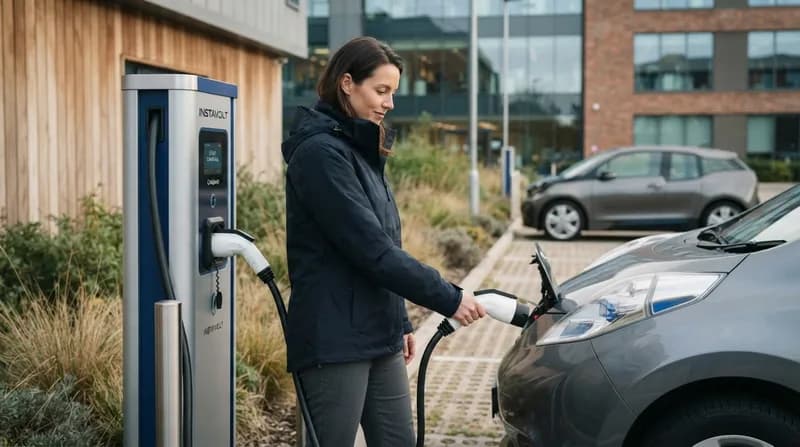
The acquisition package is substantial, encompassing 32 fully operational charging sites that feature over 600 individual fast-charging points. Beyond these existing facilities, the deal includes 14 additional sites currently under development, which are expected to contribute approximately 200 more points to the network. Furthermore, the transaction includes essential physical assets, such as existing charging hardware and transformer stations, providing Sorégies with an immediate, scalable foundation for its future expansion efforts.
Strategic Implications and Branding
Once the transaction officially concludes by the end of 2026, the acquired network will be rebranded under the Alterna énergie name. This follows a broader corporate strategy from Sorégies, which has been aggressively growing its influence in the French energy market; notably, the company had already acquired Vattenfall's French energy supply business earlier in 2026. By absorbing the experienced development, construction, and operations teams from BP Pulse into its own subsidiary, Sorégies Mobilités, the firm is ensuring continuity and technical expertise as it scales.
The current network is strategically positioned along key transit corridors, including the A10, A11, and A71 motorways, as well as various high-traffic commercial shopping centers. With this acquisition, Sorégies is well on its way to achieving its goal of becoming one of the ten largest fast-charging operators in France. The company has already committed to a broader roadmap, pledging to invest over €100 million into electromobility by 2030 to bolster its capacity, focusing primarily on hardware capable of delivering over 100 kW.
Why It Matters
- National Presence: This deal vaults Sorégies from regional dominance in the Vienne and Indre departments to a national-level infrastructure operator.
- BP’s Pivot: The sale represents a continuation of BP’s global divestment strategy, as the oil giant sheds mobility assets in Europe to focus on core markets like Germany’s Aral Pulse, where it continues to lead in heavy-duty electric truck charging.
- Infrastructure Maturity: As French energy players consolidate, the focus is shifting toward standardized, high-speed charging networks capable of supporting the long-term adoption of battery-electric vehicles across the continent.
While the financial terms of the deal remain undisclosed, the industry impact is clear. As oil majors continue to refine their European portfolios, local energy providers are stepping in to claim the mantle of mobility service providers, effectively ensuring that the transition to EVs is supported by reliable and expanding national networks.