The Changing Landscape of EV Maintenance
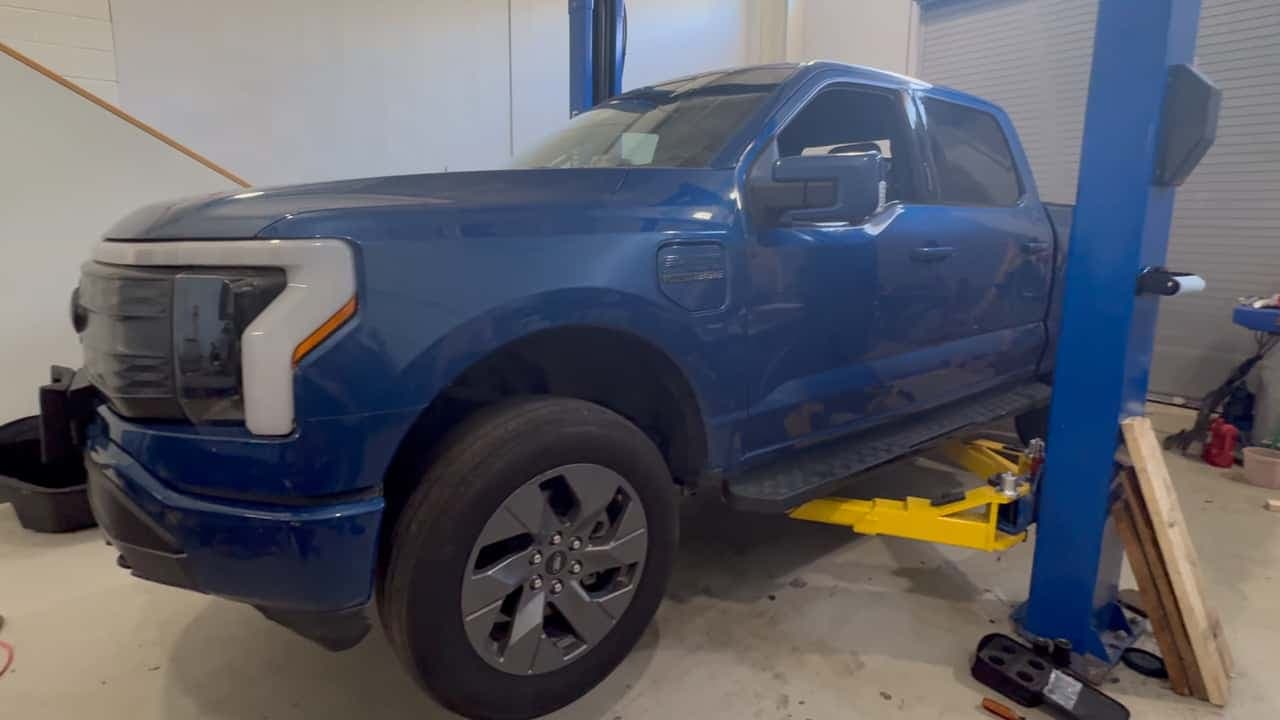
As electric vehicles begin to age and move into the secondary market, the concept of a battery swap is rapidly transitioning from a theoretical discussion to a practical workshop reality. Much like the internal combustion engine swaps of the past, the industry is witnessing the emergence of DIY and specialized shop procedures designed to extend the life of high-mileage EVs. A recent look at a Ford F-150 Lightning that crossed the 234,000-mile threshold provides a fascinating technical case study on what it truly takes to replace an EV heart.
The Logistics of Heavy Lifting
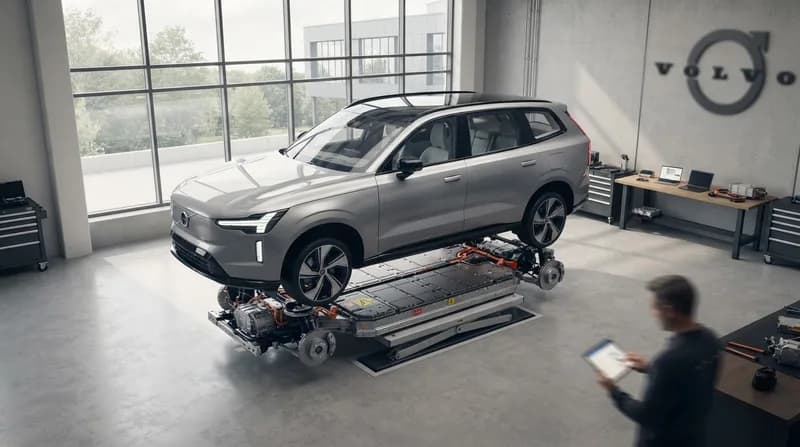
When comparing an electric powertrain replacement to a traditional engine swap, the complexity is inverted. A standard combustion engine is an intricate web of sensors, coolant hoses, vacuum lines, and transmission linkages, all of which require meticulous disconnection and alignment. In contrast, the Ford F-150 Lightning battery architecture is surprisingly straightforward from an electrical standpoint. Once the vehicle is elevated, technicians need only to drain the cooling system, disconnect the primary high-voltage cables, and release the mounting bolts.
However, what the battery lacks in mechanical complexity, it makes up for in raw physical mass. A 98 kWh battery pack for the F-150 Lightning tips the scales at approximately 1,800 pounds. This reality dictates that a home-garage floor jack is insufficient for the task. The process requires professional-grade hydraulic scissor lifts designed to stabilize and lower a massive, concentrated weight safely. Attempting such a procedure without industrial-grade lifting equipment is not merely difficult; it is dangerous.
The Nuance of Internal Repair
Once the pack is successfully lowered and separated from the chassis, the process shifts toward methodical assembly. For the F-150 Lightning, the internal housing is secured by an extensive array of fasteners. While the process itself is not technically complex, the sheer volume of bolts demands patience and the right tools—a high-quality cordless ratchet is essentially non-negotiable here. In this specific instance, minor peripheral damage, such as a broken coolant hose and a damaged connector on the replacement unit, necessitated the transfer of components from the old pack to the new one.
Why It Matters
- Longevity: The fact that this truck reached over 234,000 miles before requiring a battery intervention serves as a strong testament to the durability of modern EV thermal management and cell chemistry.
- Repairability: The ability to remove and swap a battery suggests a modular future where vehicles can be refurbished rather than scrapped when a single module or pack eventually degrades.
- Safety Infrastructure: The shift toward independent or DIY battery replacement highlights the growing necessity for professional-grade heavy-duty lifting equipment in standard repair shops.
After the replacement battery was secured and the connections were verified, the system required a standard coolant refilling procedure and a quick check of the 12-volt accessory battery to ensure full functionality. The result? A high-mileage workhorse effectively reset for its next chapter on the road. As we look toward the future, this evolution in repairability signals that EVs will likely have a much longer secondary life than many early skeptics predicted.