A Diverging Market Trend
For the average American consumer, stepping onto a car lot lately feels like a losing battle against inflation. According to recent data from Kelley Blue Book, the average cost of a new vehicle in the United States hit $50,089 in August, reflecting a 1.9% increase over the previous year. This upward trajectory is affecting the most accessible segments of the market, with compact cars and subcompact SUVs seeing significant price hikes. As manufacturers pivot toward larger, more expensive midsize SUVs to meet consumer demand, the entry point for a traditional internal combustion vehicle is quietly moving out of reach for many household budgets.
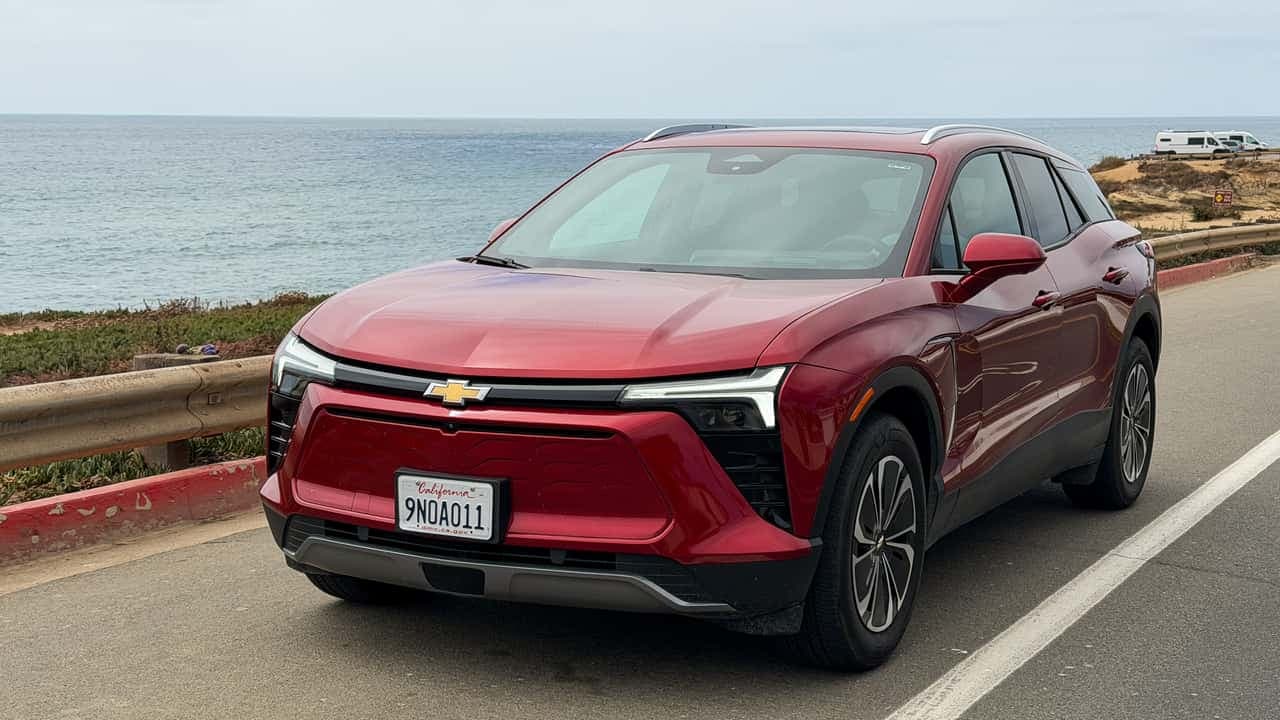
However, a fascinating counter-narrative is unfolding in the electric vehicle space. While the wider automotive market suffers from rising costs, the average transaction price for an EV dropped by 2.7% annually, landing at $54,813 in August. While electric models still carry a higher base price than their gas-powered counterparts, the once-yawning gap between the two is shrinking rapidly. This shift represents a critical turning point for the industry, suggesting that the barrier to entry for prospective EV buyers is finally starting to crumble.
The Tesla Factor and Manufacturer Strategy
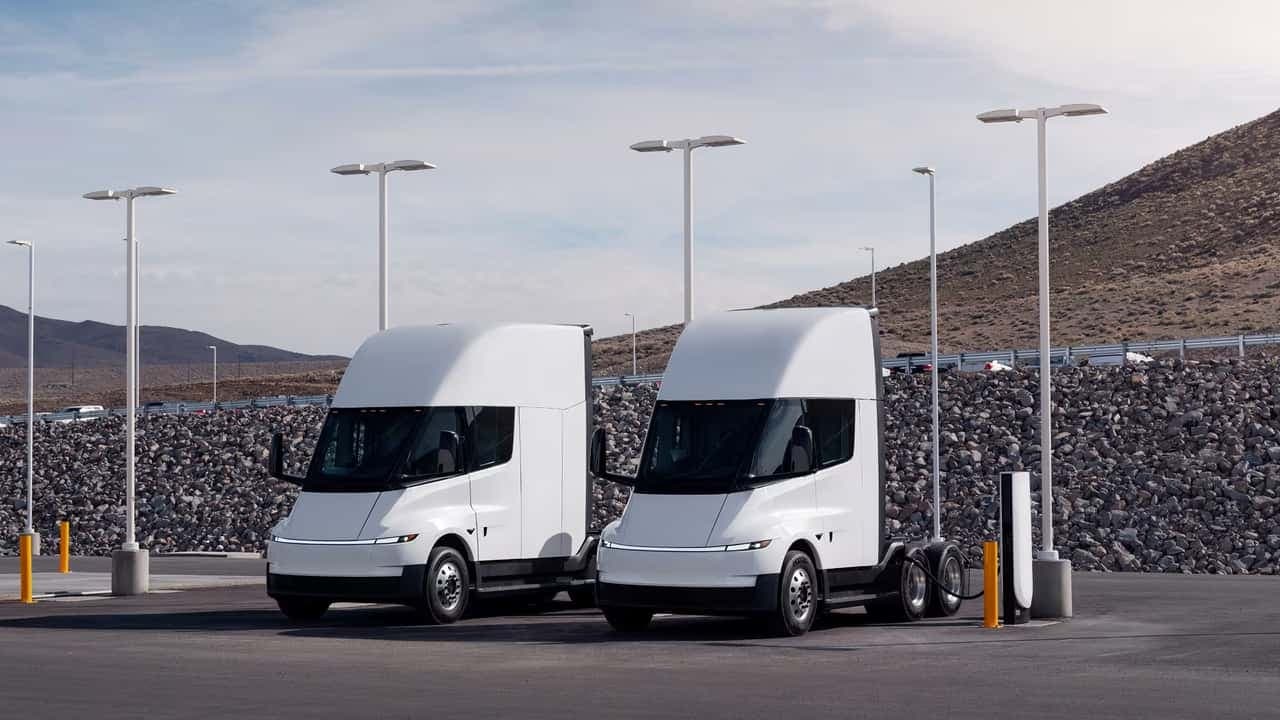
Tesla’s aggressive pricing strategy continues to serve as the primary engine for this downward trend. As the dominant player in the U.S. electric vehicle market, Tesla’s moves ripple through the entire sector. With average transaction prices for its vehicles falling by 3.4% year-over-year to $52,616, the brand is exerting significant downward pressure on the market average. Because of Tesla's sheer volume of sales, its pricing adjustments essentially set the benchmark for what consumers expect to pay for a modern, tech-forward electric car.
Interestingly, this downward trend in pricing is occurring even as manufacturer-backed incentives show signs of stabilizing. While automakers are offering fewer direct cash rebates compared to the aggressive figures seen a year ago—dropping from 14.6% to 12% of total transaction prices—the support remains significantly higher than what is available for traditional combustion-engine vehicles. Manufacturers are still betting big on electric adoption, evidenced by substantial offers like 0% financing and massive, multi-thousand-dollar discounts on high-end models, effectively sweetening the deal for those still on the fence.
Why It Matters
- Closing the Affordability Gap: The $4,724 delta between the average EV and the average new car is the smallest it has been in recent years, making the total cost of ownership (factoring in fuel and maintenance) look increasingly favorable for EVs.
- Market Sentiment: The decline in new EV prices coincides with a surge in the used EV market, indicating that consumers are hungry for electric mobility but remain highly sensitive to the initial sticker price.
- Shift in Purchasing Behavior: As price parity nears, consumers are beginning to treat EVs as viable alternatives to traditional vehicles rather than luxury novelties, which forces competition on merit, features, and long-term value.
Looking Toward the Future
The implications of these pricing trends extend beyond simple supply and demand. As combustion vehicles continue to see price increases, prospective buyers are being pushed toward a difficult decision: pay a premium for legacy technology or embrace an electric platform that is finally trending toward their budget. If this momentum continues, the narrative of "EVs being too expensive" may soon become a relic of the past, replaced by a more pragmatic conversation about performance, charging infrastructure, and the inherent efficiencies of electric powertrains. For the automotive industry, the lesson is clear: affordability remains the ultimate catalyst for widespread adoption.