Ford Pro: The All-Electric Transit City
Ford is making a significant push into the logistics market with the public debut of the Transit City. As the fifth member of the iconic Transit family, this model holds the distinction of being the first built exclusively as a battery-electric vehicle. Ford Pro has positioned the vehicle as a high-value, cost-efficient solution for urban operators, with a net starting price of €35,990 for the L1H1 configuration.
By stripping the design down to the essential needs of delivery fleets, Ford aims to provide a utilitarian workhorse that doesn't compromise on efficiency. This debut is complemented by the company's broader display in Hall 13, showcasing their full spectrum of E-Transit models, signaling an aggressive strategy to dominate the European electric light commercial vehicle space.
Kia PV7: Expanding the PBV Vision
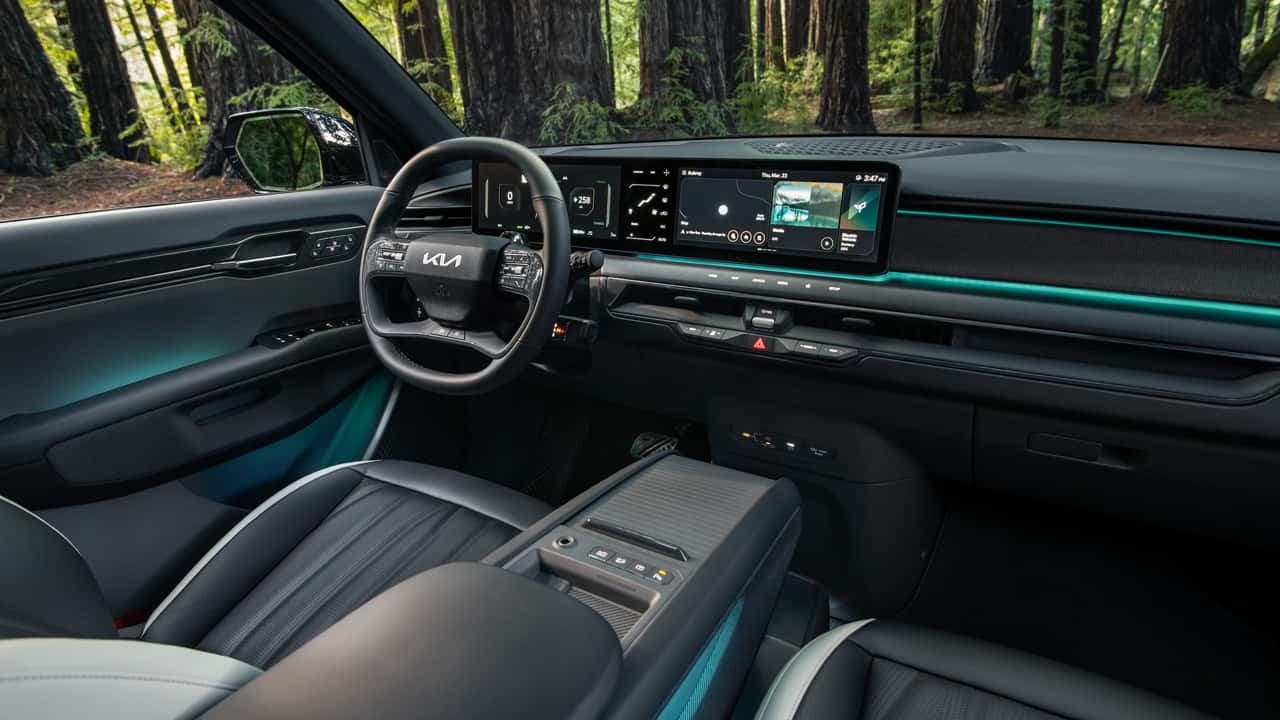
Following the successful introduction of the PV5, Kia is set to unveil the PV7, the second vehicle in its "Platform Beyond Vehicle" (PBV) lineup. While the company is maintaining a tight lid on specific technical specifications until the official reveal in Hall 13, the PV7 is positioned to offer significantly more internal volume and functional versatility than its predecessor.
The PBV philosophy focuses on adapting to the evolving needs of both commercial businesses and lifestyle users. By utilizing a modular platform approach, Kia is looking to move beyond the traditional "van" definition, aiming to provide a flexible solution that can scale with different delivery or mobility-as-a-service business models.
Stellantis: Smart Compact Vans and the Flexiseat
Stellantis is introducing the Smart Compact Van (SCV) family, a new tier of cost-effective electric transporters. This lineup, which includes the Citroën Berlingo First, Fiat Doblò Easypro, Opel Combo Start, and Peugeot Partner Active, is designed to serve as an entry-level segment that is priced more competitively than their current offerings. They feature a 100 kW electric powertrain capable of a 270 km range.
The real innovation, however, lies in the driver-centric cabin design. Recognizing that many professional drivers work solo, Stellantis has integrated the "Flexiseat"—a modular passenger seat that folds away to expand cargo space. When paired with the optional "Modutable" surface, the cabin transforms into a functional mobile office or dining area, prioritizing ergonomics for the modern mobile worker.
Renault: The High-Voltage Trafic E-Tech
Renault is bringing the Trafic E-Tech to the Hanover stage, marking a milestone for the French manufacturer as it implements 800-volt electrical architecture in a van for the first time. This high-voltage system is a game-changer for logistics, promising ultra-fast charging times that see the battery move from 15 to 80 percent in under 20 minutes.
With a maximum range of 450 km depending on the battery configuration, the Trafic E-Tech is positioned as a long-distance capable electric van. This leap in performance suggests that Renault is moving to bridge the gap between heavy-duty work cycles and the operational constraints of battery-electric downtime.
Volkswagen: Autonomous Cargo Visions
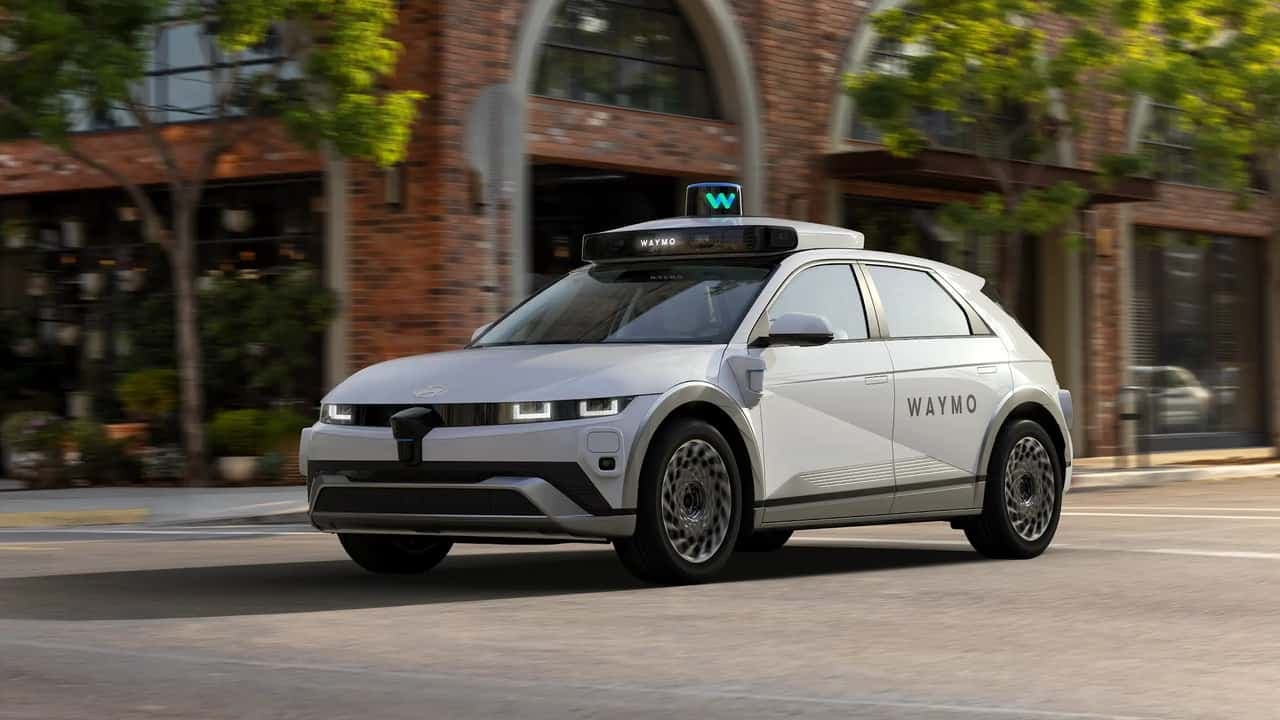
Volkswagen Commercial Vehicles is showcasing its focus on the future of automation with the ID. Buzz Cargo AD. While the company continues to refine its broader electric strategy—with a next-generation e-Crafter platform on the horizon for 2028—the ID. Buzz Cargo AD represents a foray into SAE Level 4 autonomous driving.
This concept is designed to handle fully automated goods delivery. By integrating sophisticated sensor arrays and autonomous navigation software, Volkswagen is exploring how electric vans can operate as self-driving robot-couriers, eventually allowing for unattended "last-meter" drop-offs where the vehicle arrives and the recipient simply collects the goods from the cargo bay.
Why it Matters
- Operational Efficiency: Innovations like 800V charging are effectively eliminating "range anxiety" and long downtime for logistics firms.
- Driver Ergonomics: The shift toward modular interiors acknowledges the professional driver's need for a workspace, not just a transport cabin.
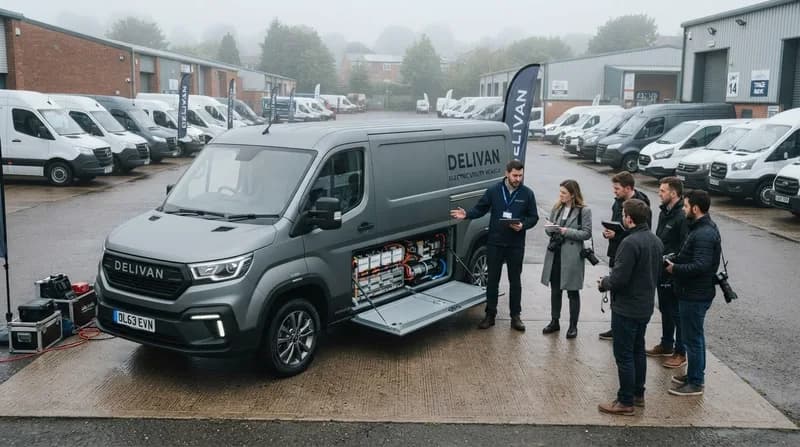
- Energy Decentralization: Brands like Maxus are pushing V2G (Vehicle-to-Grid) tech, allowing delivery vans to act as mobile power stations for tools or grid support.