The Anatomy of a New Supply Chain Squeeze
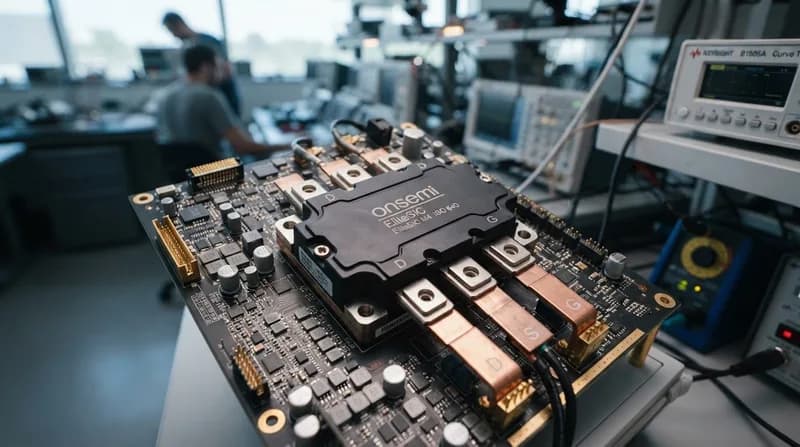
The global automotive industry is facing the ominous prospect of 'Semiconductor Shortage 2.0,' but the catalyst this time is not a global pandemic—it is the insatiable demand of the artificial intelligence sector. While the 2020-era shortages were defined by sudden manufacturing halts and unpredictable consumer shifts, the current bottleneck is a strategic pivot. Manufacturers of semiconductors are increasingly prioritizing the lucrative, high-margin chips required for massive AI data centers, leaving less capacity for the mature, commodity-grade semiconductors that serve as the backbone of modern vehicular electronics.
Leadership at major semiconductor firms, including Nexperia and STMicroelectronics, has raised alarms regarding this structural shift. It is not necessarily that high-end GPUs are consuming automotive-grade silicon, but rather that the foundry capacity itself is being funneled into AI-adjacent hardware. As data centers expand globally, the assembly plants that traditionally produced sensors, engine control units, and power management chips for the auto industry are being repurposed to support the AI boom. This 'disengagement' from traditional industrial applications is causing a ripple effect throughout the entire automotive supply chain.
The Economic Reality of AI Supremacy
The core of the issue lies in price elasticity and profit margins. According to executives at automotive suppliers, the AI industry is currently operating in a vacuum where price sensitivity is essentially non-existent. Because companies building AI data centers are willing to pay a premium to secure consistent supply, automotive suppliers are finding it difficult to compete. When a foundry can sell twice its output to a non-price-sensitive AI firm, the incentive to maintain production lines for lower-margin, automotive-standard chips drops significantly.
This shift has already begun to manifest in the financial outlooks of Tier 1 automotive suppliers. Companies like Aumovio, which provide critical components—including advanced sensor suites and vehicle cameras—to automotive giants like Ford, BMW, and BYD, have already warned that the cost of these essential components is set to surge. The industry is bracing for a scenario where chip prices could skyrocket, putting extreme pressure on automakers already juggling razor-thin margins and the expensive transition to full electrification.
Why It Matters: The Future of Vehicle Tech
- Production Risks: Just as in the pandemic era, OEMs may be forced to scale back vehicle features or idle production lines if essential controllers remain unavailable.
- Cost Inflation: As suppliers face higher costs for basic silicon, those expenses will inevitably be passed down to consumers, potentially pushing vehicle prices higher.
- Innovation Stagnation: If resources are diverted away from the building blocks of smart vehicles, the rapid pace of automotive digitization—ranging from ADAS features to software-defined cockpits—could hit a developmental plateau.
The irony of the current situation is that while the auto industry is racing to integrate more AI into the driving experience, the growth of external AI infrastructure is actively starving the sector of the basic silicon required to make that vision possible. If the current trend of supply diversion continues, automakers may find themselves in a precarious position, forced to choose between scaling back feature sets or facing significant production delays. As the industry looks toward the next year, the semiconductor landscape will remain a critical, high-stakes battleground for resource allocation.