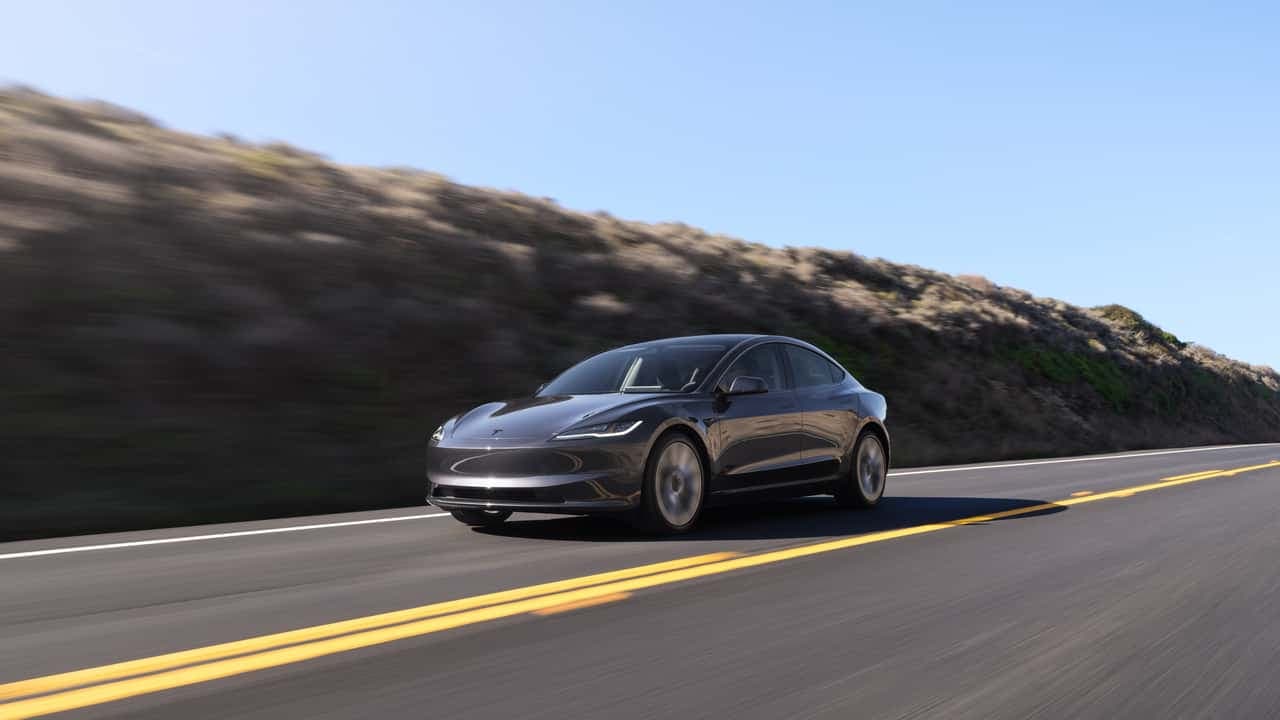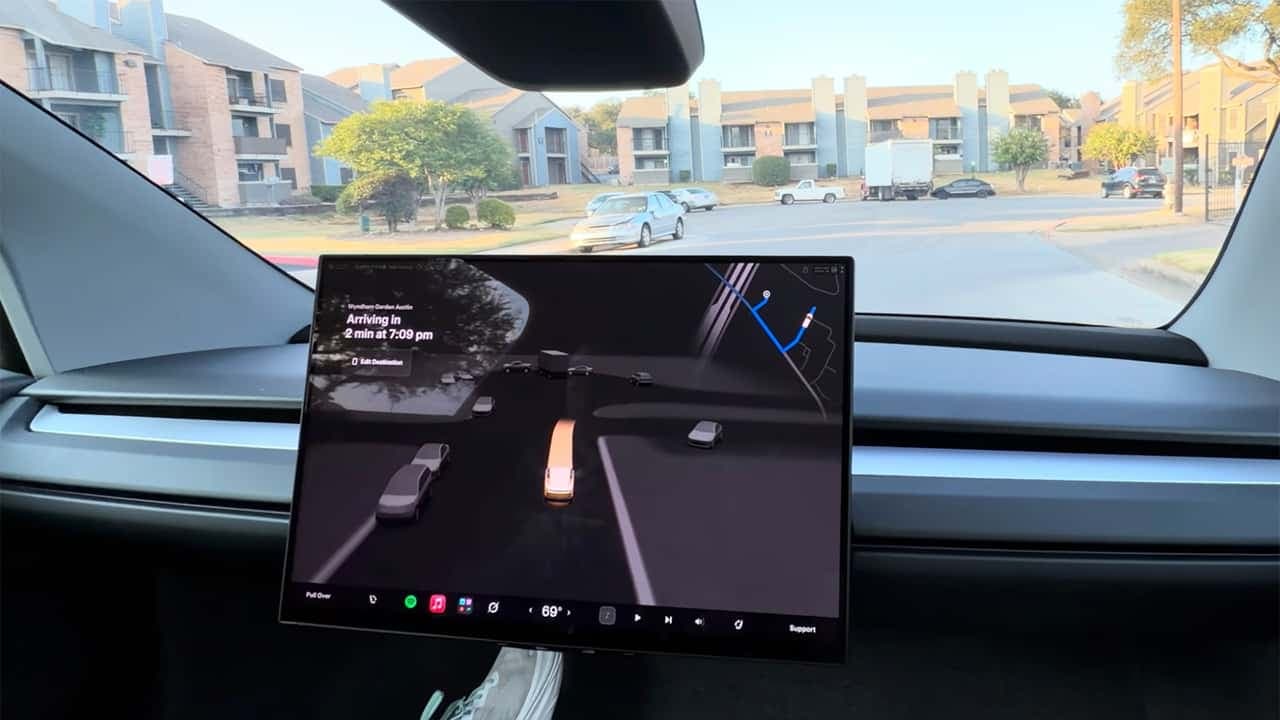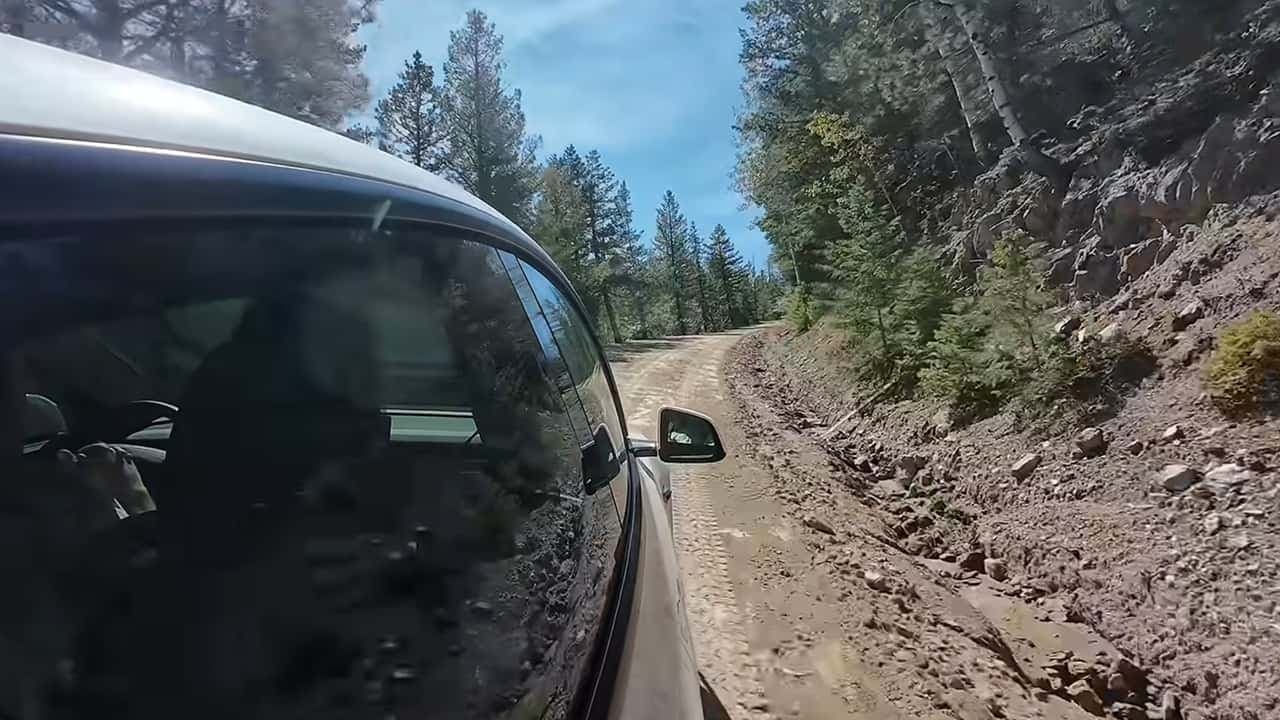
A Tesla Model 3 equipped with Full Self-Driving (Supervised) technology recently tackled Lick Skillet Road in Colorado, recognized as the steepest dirt road in the United States. With an average grade of 14.2% and peaks reaching 18%, this mile-long route presented substantial challenges for the vehicle’s driver-assistance systems.
The test showcased the technology's ability to navigate without traditional lane markings or road signs. Instead, the Model 3 relied on visual cues, such as the road's width and surrounding environmental features, to maintain proper positioning. Throughout the journey, the car demonstrated a remarkable capacity to handle oncoming traffic effectively.
Key Challenges Faced
- Blind corners and steep gradients posed significant difficulties.
- When encountering cyclists, the vehicle displayed hesitation, requiring manual intervention for safe passage.
- A brief failure to recognize a pedestrian near the cyclists indicated limitations in the technology's current capabilities.
Despite some shortcomings, including the aforementioned challenges, the Model 3 consistently adhered to its lane, managing to navigate various obstacles competently. This test underlines the dual nature of Tesla’s Full Self-Driving technology: it is capable of handling unpredictable and unpaved environments under supervised conditions while also revealing areas that need improvement.
In summary, this successful navigation of Lick Skillet Road offers insights into both the advancements and the limitations of Tesla's autonomous driving features, reflecting ongoing developments in the field of automated vehicles.