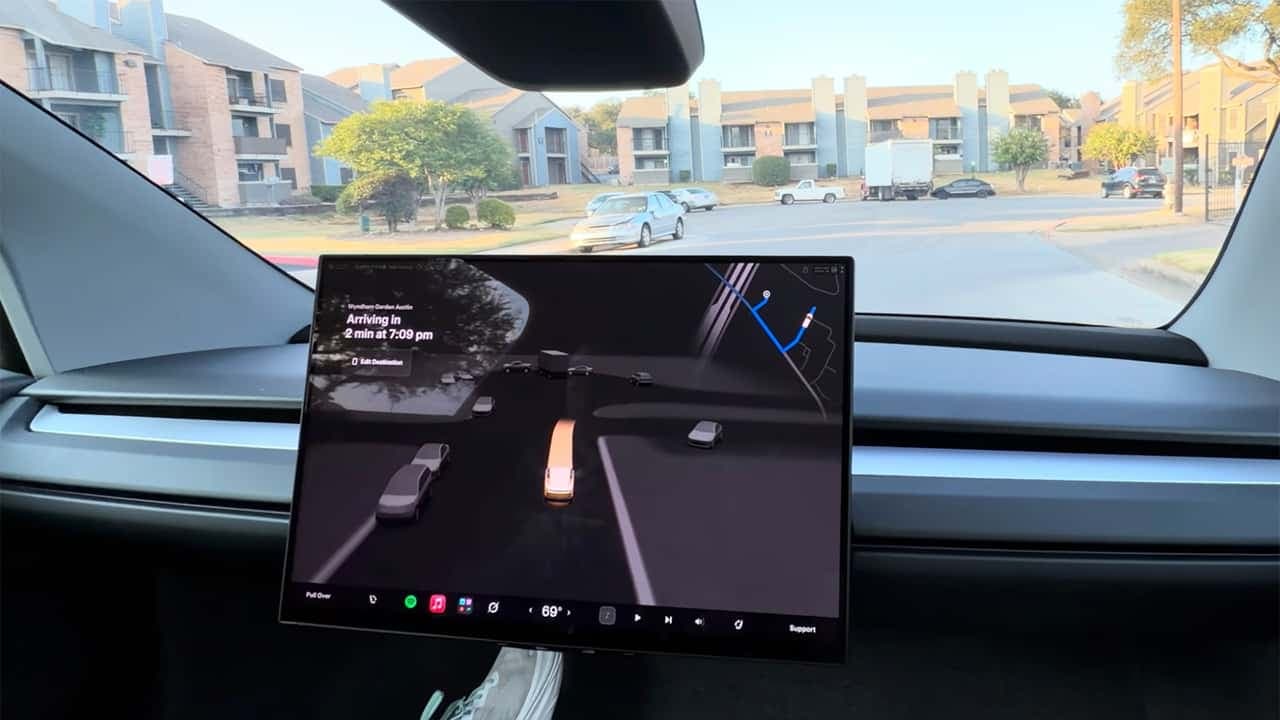
Tesla's Full Self-Driving (FSD) Lite software, introduced in June 2023, is proving to be less reliable than anticipated, particularly in its ability to detect obstacles on the road. Users of FSD Lite v14.1 have reported multiple incidents where the system failed to respond adequately to hazards such as fallen trees, prompting significant concerns about its safety.
Key Issues Identified
- Camera Hardware Discrepancies: FSD Lite is designed for Tesla's Hardware 3, launched in 2019, which uses 1.2 MP cameras. In comparison, newer Hardware 4 vehicles come equipped with advanced 5 MP cameras.
- User Experiences: Two separate users documented experiences where FSD Lite did not slow down for downed trees, with one driver having to take over multiple times to prevent collisions.
- Acknowledgment from Leadership: Elon Musk has acknowledged the limitations of FSD Lite's performance, indicating that Hardware 3 will not support true self-driving capabilities going forward.
- Wider Complaints: Users have voiced concerns over various issues, such as malfunctioning lane tracking and overheating hardware, which collectively point to potential safety risks.
- Intended Functionality: FSD Lite was initially pitched as a way to provide advanced self-driving features to older Tesla models, but it has faced significant obstacles in implementation.
The shortcomings of Tesla's FSD Lite not only raise safety questions but also challenge the brand's reputation for innovation in self-driving technology. As the company navigates these concerns, the focus will likely shift to solutions that can enhance detection capabilities and overall reliability.